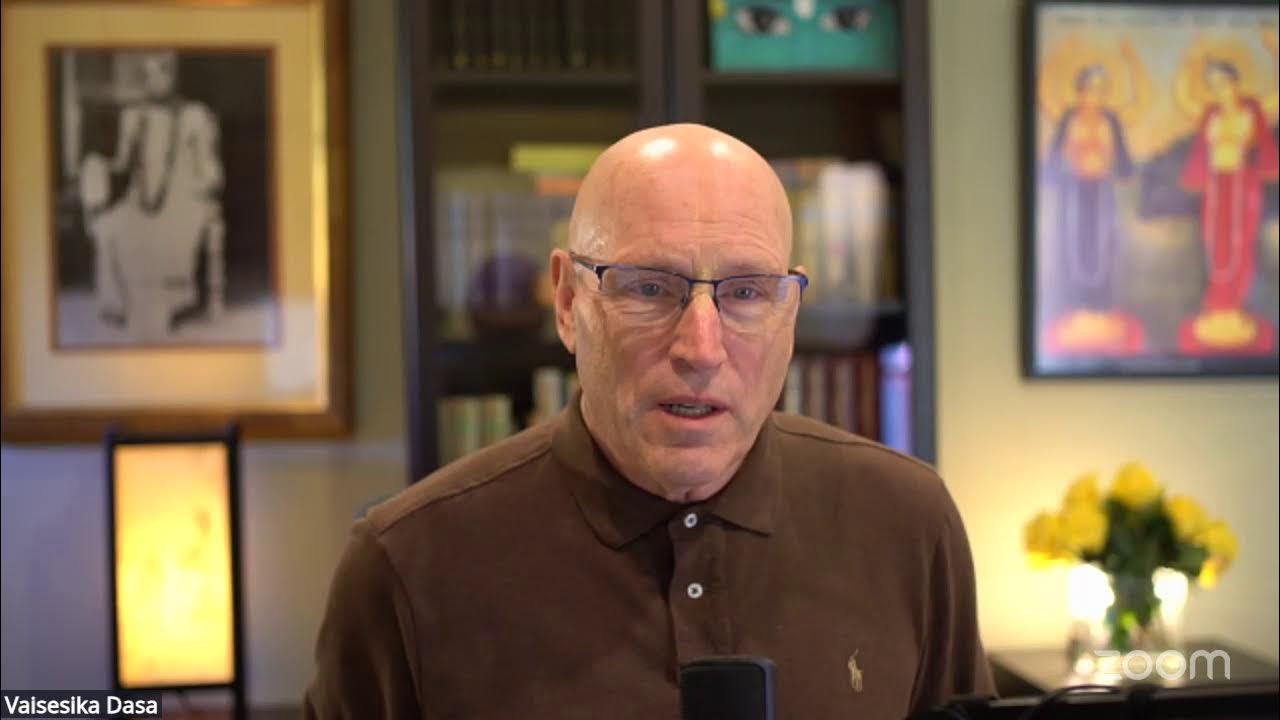
The 2026 opening session of Success Sadhana centers on equanimity and the practice of “getting grounded,” drawing primarily from the Bhagavad Gita and allied Vedic wisdom. It frames sadhana as deliberate, sustained practice that elevates human life beyond the basic drives of eating, sleeping, mating, and defending, directing attention toward a deeper purpose aligned with dharma.
Equanimity is presented as a practical discipline rather than an abstract ideal. In the language of the Bhagavad Gita, it is steadiness amid praise and blame, success and setback, gain and loss. This groundedness cultivates clarity, emotional balance, and resilience, enabling thoughtful action in complex situations without becoming overwhelmed by impulse or reactivity.
The session emphasizes simple, repeatable methods that many practitioners find relatable: mindful breathing to stabilize attention, brief periods of quiet reflection to reset during the day, conscientious engagement with duties, and the steady study of guiding texts. Such routines, when practiced consistently, transform scattered energy into focused purpose, allowing individuals to meet daily challenges with calm confidence.
These insights are shared in an inclusive spirit that honors the unity of dharmic traditions. The value of inner steadiness resonates across Hinduism, Buddhism, Jainism, and Sikhismwhether reflected as samatva in the Gita, upekkha in Buddhist teachings, aparigraha and ahiṁsā in Jain practice, or the Sikh emphasis on balanced remembrance and righteous action. By recognizing common principles and diverse methods, the session encourages a harmonious, pluralistic approach to spiritual growth.
Practitioners often notice tangible benefits: steadier breathing and posture during stress, a kinder tone in difficult conversations, and a clearer sense of priorities. Even small windows of practice can shift one’s inner climateturning agitation into steadiness and haste into thoughtful presence. Over time, this cultivates inner peace that naturally supports mindful relationships, purposeful work, and compassionate service.
Grounded equanimity, as articulated through Vedic wisdom and echoed across dharmic paths, is not a retreat from life but a way to meet it more fully. The session invites sustained sadhanacalm attention, ethical conduct, and reflective studyso that clarity blossoms into action and inner balance becomes a stable companion on the path of spiritual development.
Inspired by this post on Dandavats.