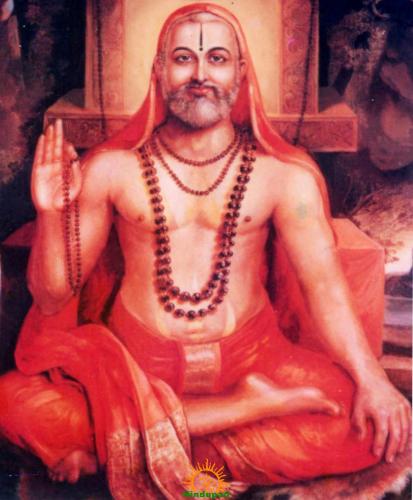
Obstacles on the path of Krsna consciousness can appear daunting, often giving rise to doubt about the possibility of meaningful progress. Such discouragement is not unique; across dharmic traditionsHinduism, Buddhism, Jainism, and Sikhismpractitioners commonly encounter phases of hesitation, inertia, or spiritual fatigue. Understanding this experience as a natural stage in spiritual development opens the way to resilient, sustained practice rather than withdrawal.
A powerful impetus for change arises from love for the guru. As Prabhupada emphasized, the depth of love correlates with the willingness to follow instructions; the greater the love, the stronger the impulse to act in alignment with guidance. This principle frames change not as a solitary struggle of willpower but as a relational commitment rooted in bhakti and the Guru-Shishya Tradition.
The practical attitude is succinctly captured in the declaration, “I may not want to do something, but I will do it because my guru asked me.” This statement articulates an ethical and devotional orientation in which personal reluctance yields to disciplined obedience. Such obedience does not negate agency; rather, it refines intention, aligns conduct with dharma, and transforms resistance into service.
Prayer is central to this transformation. One may pray to the guru for strength to follow instructions, recognizing that spiritual perseverance is sustained by grace as much as effort. This orientation resonates across dharmic lineages: devotion to guidance (bhakti), adherence to precepts (sila), commitment to ahiṁsa and tapas, and humility before the living or scriptural teacher converge as shared pathways to spiritual growth.
When discouragement arises, reframing obstacles as opportunities to deepen trust can be decisive. Love-inspired obedience helps convert inner friction into steady sadhana. Regular practicessuch as chanting, meditation, mindful reflection, and sevaprovide structure, while community support strengthens resolve and protects momentum during challenging periods.
In this light, change becomes a disciplined, compassionate process rather than a burdensome ideal. Rooted in devotion, guided by clear instruction, and reinforced by prayer, the practitioner moves from uncertainty toward clarity and from reluctance toward commitment. Such integration of love, duty, and guidance offers a proven, unifying method for spiritual advancement across the dharmic spectrum.
Inspired by this post on Dandavats.