Ekadashi (Ekadasi) vrata, a sacred fast dedicated to Lord Vishnu, occurs on the 11th lunar day (tithi) of both Shukla Paksha and Krishna Paksha in every Hindu month. For Jyeshtha Month in June 2026, the Ekadashi dates are 11 June 2026 and 25 June 2026. The 11 June observance is identified as Parama Ekadashi and is also referenced in several traditions as Kamala Ekadashi, while the 25 June observance is the widely revered Nirjala Ekadashi Vrat. This guide presents Ekadasi Vrata in Jyeshta Month with clear calendrical context, observance principles, and parana guidance.
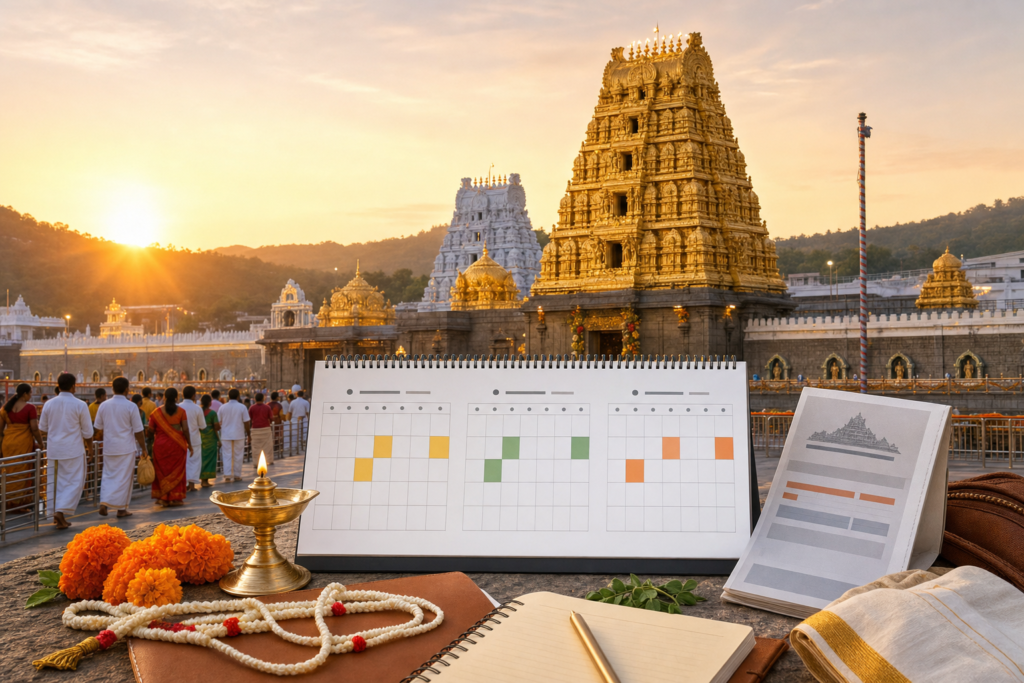
In calendrical terms, Ekadashi is sunrise-bound and location-specific: the tithi present at local sunrise determines observance, and parana (fast-breaking) is performed on the subsequent Dwadashi. Differences can appear between Smarta and Vaishnava calculations, and among regional panchangs (almanacs). Several panchangs for 2026 include an Adhik Jyeshta Maas phase; accordingly, the early-June Ekadashi is styled Parama (synonymously Kamala in some regions). Devotees should consult a reliable local Panchang for exact Ekadashi start–end and Dwadashi parana windows.
Parama (Kamala) Ekadashi, 11 June 2026: This Ekadashi is traditionally linked with intensified devotion to Vishnu and the cultivation of Sri (auspiciousness) often associated with Goddess Lakshmi. Textual references to the spiritual potency of Adhika-māsa Ekadashis appear across Puranic literature that extols vrata, satya (truthfulness), and dana (charity) as complementary disciplines. Households commonly undertake sankalpa on Dashami evening, practise japa such as “Om Namo Narayanaya,” and study passages like the Vishnu Sahasranama with quiet, contemplative focus.
Many practitioners describe Parama (Kamala) Ekadashi as a restorative intervalan opportunity to simplify diet, reduce sensory input, and channel attention toward ishta devata. Small acts of compassion, kitchen sattvik meals for family members, and support for community needs help translate inward devotion into outward harmony. Families often experience the day as an anchor of steadiness in the midsummer arc of the Hindu calendar.
Nirjala Ekadashi, 25 June 2026: Known as the most austere Ekadashi, it prescribes upavasa without water (nir-jala) for those who are healthy and capable. The popular narrative associated with this vrata features Bhima (hence the name “Bhimseni” or “Pandava” Nirjala Ekadashi), who sought to honour the essence of all Ekadashis through a single, exacting observance. Many traditions hold that sincere performance of Nirjala Ekadashi accords the merit of all twenty-four Ekadashis combined, provided the vrata is concluded with proper parana on Dwadashi.
Health-conscious adaptations remain integral to dharma. Children, the elderly, pregnant or nursing individuals, and those with medical conditions typically choose a moderated fast (phalahara), take water, or follow a physician-advised regimen. In several Vaishnava lineages, even on Nirjala Ekadashi, limited intake of tulasi-teertha or charanamrita may be permitted. The guiding principle is ahimsa toward the body and steadiness of mind, never competitive austerity.
Parana guidance for both observances is consistent with classical practice: break the fast on Dwadashi after sunrise, avoiding Hari Vasara (the first quarter of Dwadashi). Traditions differ on sequencemany offer water or charanamrita first, perform Vishnu puja, and then take a light sattvik meal. Because tithi transitions are astronomical and zone-dependent, the most accurate parana times come from a trusted regional Panchang.
For standard Ekadashi (including Parama/Kamala), communities typically abstain from grains and pulses, while favouring fruits, milk, nuts, sabudana, kuttu, sama (barnyard millet), and simple preparations cooked in pure oils or ghee. Garlic, onion, and rajasic or tamasic foods are generally avoided. Where water is taken, regular hydration and balanced electrolytes help sustain clarity for japa, dhyana, and seva throughout the day.
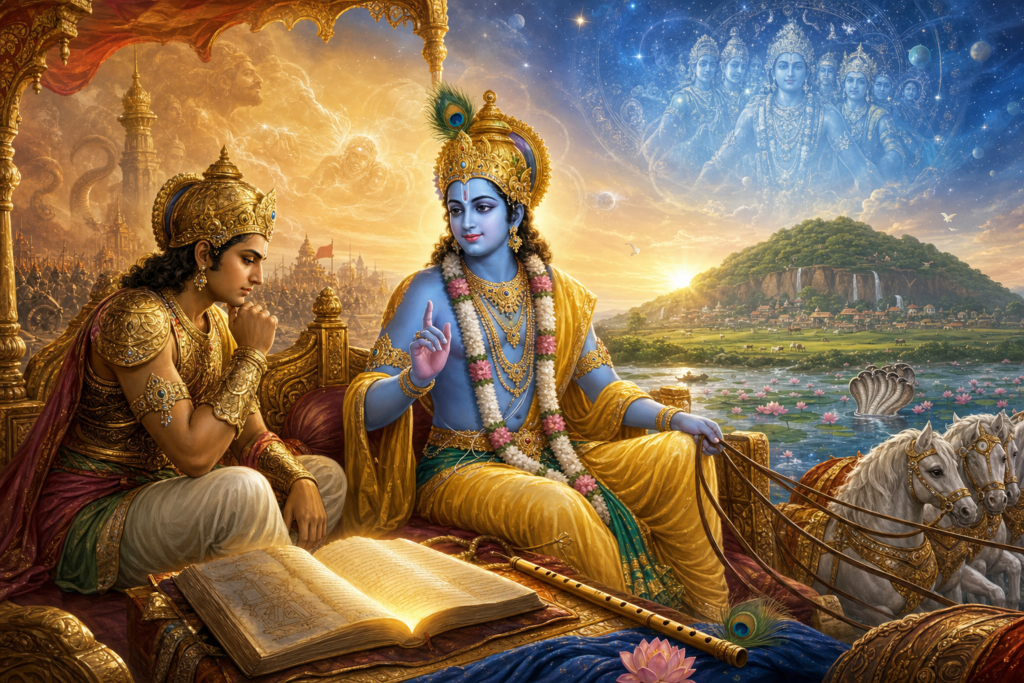
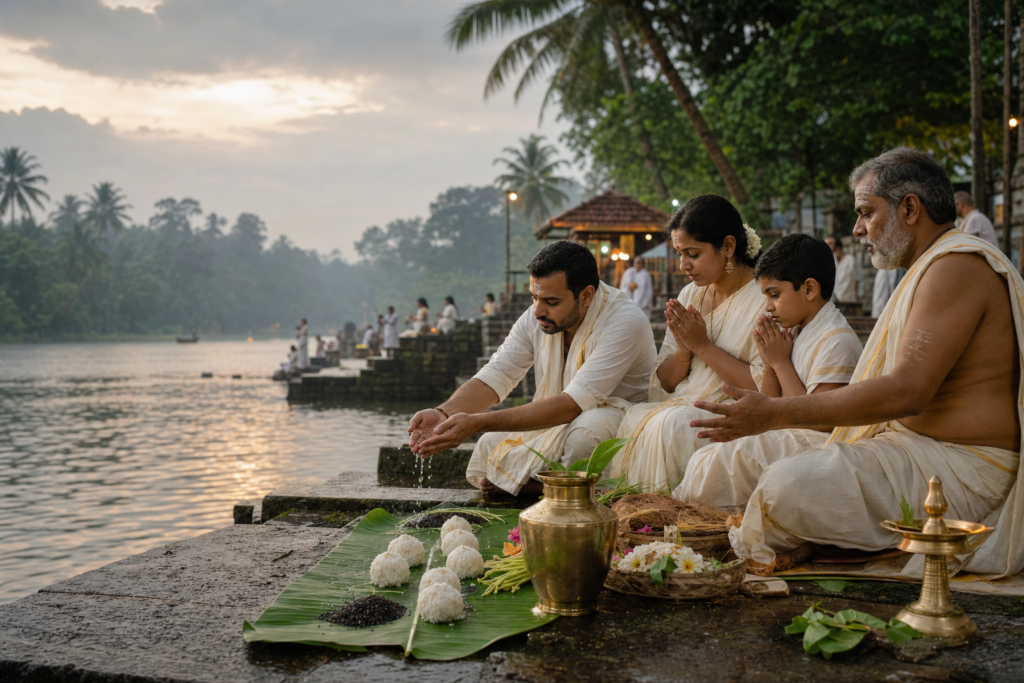
A simple observance arc is widely followed: pre-dawn snana, clean attire, sankalpa; morning and evening puja to Lord Vishnu with tulasi leaves; recitation of Gita or Srimad Bhagavata passages; and quiet remembrance of the story of King Ambarisha and Sage Durvasa, which underscores the sanctity of Ekadashi vrata and the timing of parana. Nighttime jagarana or reflective reading may be undertaken according to capacity.
While Ekadashi is a Vaishnava-centred vrata within Hinduism, the ethical heart of the practiceself-restraint, compassion, and mindful awarenessresonates across dharmic traditions. Buddhism’s Uposatha renews virtue through observance days; Jain upavasa cultivates ahimsa and inner lightness; Sikh tradition emphasises naam-simran and seva rather than ritual fasting. Seen together, these paths illuminate a shared civilisational commitment to inner discipline and service to all beings.
Planning for June 2026 is straightforward: observe Parama (Kamala) Ekadashi on Thursday, 11 June 2026, and Nirjala Ekadashi on Thursday, 25 June 2026, according to local sunrise and tithi. Keeping Dashami meals light and sattvik, preparing one’s schedule to reduce distractions, and arranging charitable giving in advance all help ensure a composed, prayerful vrata.
The lived experience reported by many households is consistent and heartening: on these Jyeshtha observances the mind grows quieter, family interactions soften, and devotion to Vishnu feels tangible and sustaining. In that spirit, the most authentic Ekadashi is the one aligned with health, local Panchang, and sincere intentionbringing clarity, kindness, and spiritual focus into daily life.
Inspired by this post on Hindu Pad.