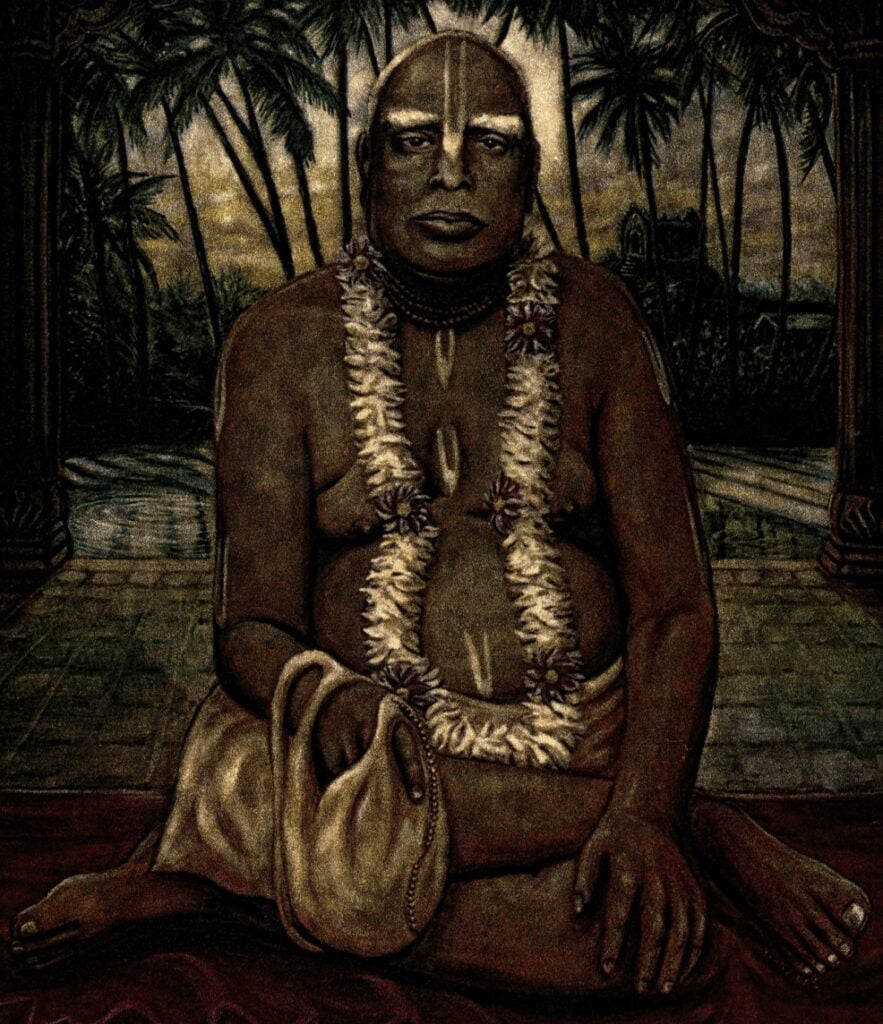
Srila Prabhupada’s legacy remains a living force that all generations can access through practice, reflection, and service. The gifts of Krishna consciousness he brought to the Westhis books, his communities, his disciples, and his precise guidance on applying bhakti in every circumstanceconstitute a dynamic framework for spiritual growth. Engaging these resources with sincerity allows practitioners to sustain an enduring connection with a mahā-bhāgavata while deepening their relationship with Sri Krishna.
The experience known as “service in separation” illustrates this continuity. After Srila Prabhupada’s physical departure, disciples and followers continued their sadhana, expanded their devotional service, and reported increased steadiness and inspiration. Such outcomes align with the Guru-Shishya Relationship found across Sanatana Dharma: the guru’s presence is realized through faithful adherence to instruction, careful study, and a life oriented toward seva and śāstra.
Practical methods for staying connected are straightforward yet profound. Regular study of Bhagavad Gita and Srimad-Bhagavatam with Srila Prabhupada’s commentaries cultivates clarity and conviction. Daily chanting and focused japa center the mind on the Holy NameHare Krishnawhile disciplined routines integrate sadhana into modern life. Participation in devotional communities, mentorship across age groups, and compassionate outreach translate inner realization into service that benefits society.
These principles resonate across the broader dharmic family of Hinduism, Buddhism, Jainism, and Sikhism. Remembering and serving through the teachings, honoring lineage, and embodying ethical conduct are shared pathways to transformation. In this spirit of unity, devotees can appreciate how disciplined practice, study, and selfless service build bridges among traditions while reinforcing the universality of Sanatana Dharma.
Different life stages invite distinct applications. Students benefit from structured reading, guided discussion, and digital access to lectures. Householders consolidate devotion through morning and evening sadhana, family kirtan, and community seva. Elders often offer stabilizing wisdom, mentoring younger practitioners and safeguarding continuity of the Bhakti Tradition. Across all stages, steadiness, humility, and cooperative spirit preserve the living current of paramparā.
Markers of progress include increased compassion, resilience in adversity, and a deepened taste for study, chanting, and service. Practitioners frequently observe improved focus, healthier habits, and enduring hopequalities that make spiritual life sustainable. These outcomes indicate that Srila Prabhupada’s presence is effectively realized when his teachings are applied consistently and with integrity.
To “stay with” Srila Prabhupada ultimately means to inhabit the mood he exemplified: unwavering fidelity to guru and śāstra, disciplined sadhana, and generous outreach grounded in respect for all beings. By living these principles, each generation discovers a proven way to remain close to a pure devotee and, through that connection, deepen devotion to Sri Krishna. In doing so, practitioners not only strengthen personal practice but also contribute to unity and harmony across dharmic traditions.
Inspired by this post on Dandavats.