Margashirsha Maas, known as Margashira masam in several regions and Margazhi in Tamil Nadu, is the ninth month of the traditional Hindu lunar calendar. It is widely regarded as especially auspicious, a status rooted in scripture and sustained through living tradition. In devotional memory, the phrase ‘Maasonam Margashirshoham’ conveys the idea that no month equals Margashiram in sanctity, while the Bhagavad Gita affirms this esteem with the declaration māsānām mārgasīrṣo ’ham (10.35), identifying Margashirsha with divine excellence.
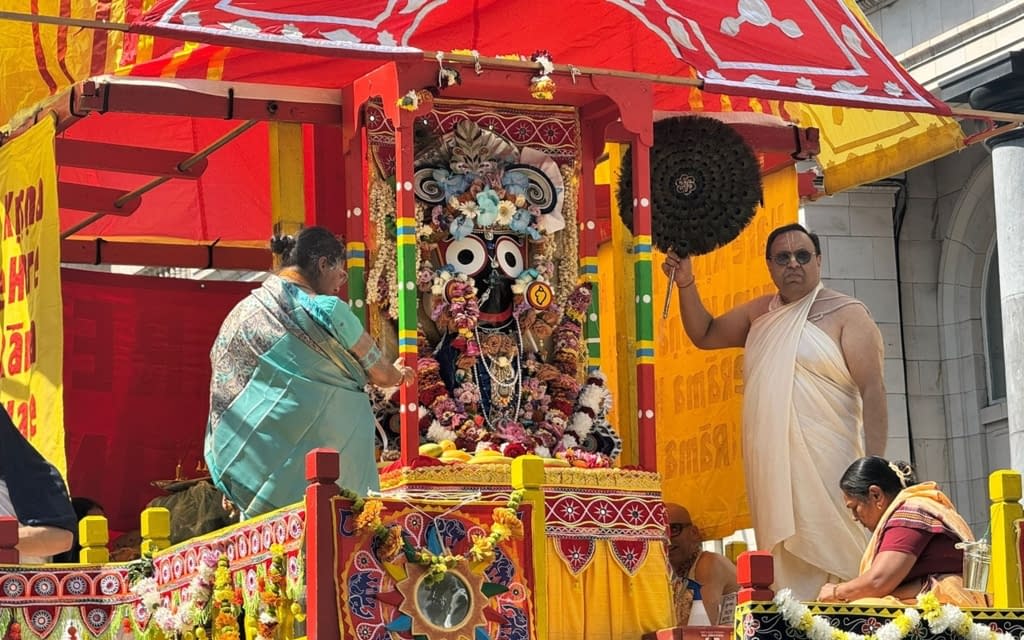
Across the subcontinent, the month encourages inwardness, devotion, and community service. The cool pre-dawn air and steady glow of lamps transform everyday routines into contemplative practices; many households observe vratas and pujas, sing bhajans, and read the Bhagavad Gita, especially around Gita Jayanti. In South India, Margazhi mornings invite kolam artistry at doorsteps and temple visits, while in eastern and northern regions, collective recitations and satsang sustain a quiet spiritual cadence throughout the month.
Scriptural and puranic remembrance converges on a shared theme: Margashirsha Maas invites clarity of mind and steadiness of heart. The devotional disciplines emphasized—japa, dana, seva, and satvik living—resonate with the broader dharmic ethos cherished across Hinduism, Buddhism, Jainism, and Sikhism. Meditation and mindful conduct echo Buddhist and Jain insights into self-restraint and compassion, while seva and remembrance align with Sikh traditions of selfless service and simran. In this way, Margashirsha serves as a living bridge of unity in spiritual diversity.
Practically, the month’s observances nurture concentration, ethical resolve, and community cohesion. Simple commitments—daily Gita reading, participation in temple or community service, supporting education or food drives, and cultivating silence before dawn—translate scriptural ideals into tangible habits. Families often recount how these routines soften speech, balance schedules, and reorient attention from distraction to purpose, making Margashirsha a season of renewal rather than mere ritual.
For many, the emotional texture of Margashirsha is unmistakable: quiet streets at daybreak, sacred verses carried on the breath, and a gentle invitation to align thought, word, and deed. By highlighting humility, gratitude, and inner strength, the month harmonizes personal wellbeing with social responsibility. Its relevance, therefore, extends beyond religious observance to include mental clarity, relational warmth, and sustainable community life.
In sum, Margashirsha Maas stands as an enduring call to reflective living. Through the lens of the Bhagavad Gita’s māsānām mārgasīrṣo ’ham and the devotional remembrance of ‘Maasonam Margashirshoham’, the month becomes a shared cultural and spiritual touchstone. It affirms that disciplined practice, compassionate action, and unity across dharmic paths are not only timeless ideals but also practical ways to meet the present with wisdom and grace.
Inspired by this post on Hindu Pad.