Vinayaka Purana Mahatmyam refers to the celebrated devotional and narrative portions that extol the glory of Lord Vinayakawidely known as Ganesha, Ganapathy, and Gajanan. Recognized within the broader corpus of Hindu scriptures, these accounts illuminate the attributes, iconography, and compassionate interventions of the remover of obstacles. In traditional understanding, the Purana literature is attributed to Veda Vyasa, a convention that underscores the text’s revered place within the Sanatana Dharma literary tradition.
Across the stories, Lord Vinayaka emerges as a guide to wisdom, a guardian of auspicious beginnings, and a steady source of reassurance during uncertainty. The narratives emphasize qualities such as viveka (discernment), shraddha (devotional trust), and daya (compassion), offering readers a framework for ethical action and inner steadiness. Many find that the devotional tone of these accounts invites reflection and cultivates resilience, making the text both spiritually elevating and practically relevant.
The significance of these Ganesha Purana stories lies in their accessible moral clarity and symbolic depth. Miraculous episodeswhether the effortless removal of impediments or the protection of sincere devoteesare presented not merely as wonders, but as instructive illustrations of divine responsiveness to human effort and humility. In this way, the “mahatmyam” (glory) of Vinayaka is connected to lived values: steadfastness, thoughtful speech, responsible action, and kindness.
Placed within the broader Purana tradition, these Vinayaka-centered narratives converse with related texts such as the Ganesha Purana and the Mudgala Purana. While each text has its distinctive composition history and narrative focus, together they enrich understanding of Ganesha’s multifaceted role. For instance, the Mudgala Purana’s accounts of eight incarnations elaborate aspects of wisdom, courage, and compassion, complementing the devotional texture of Vinayaka Purana Mahatmyam and deepening appreciation for the remover of obstacles as a universal guide.
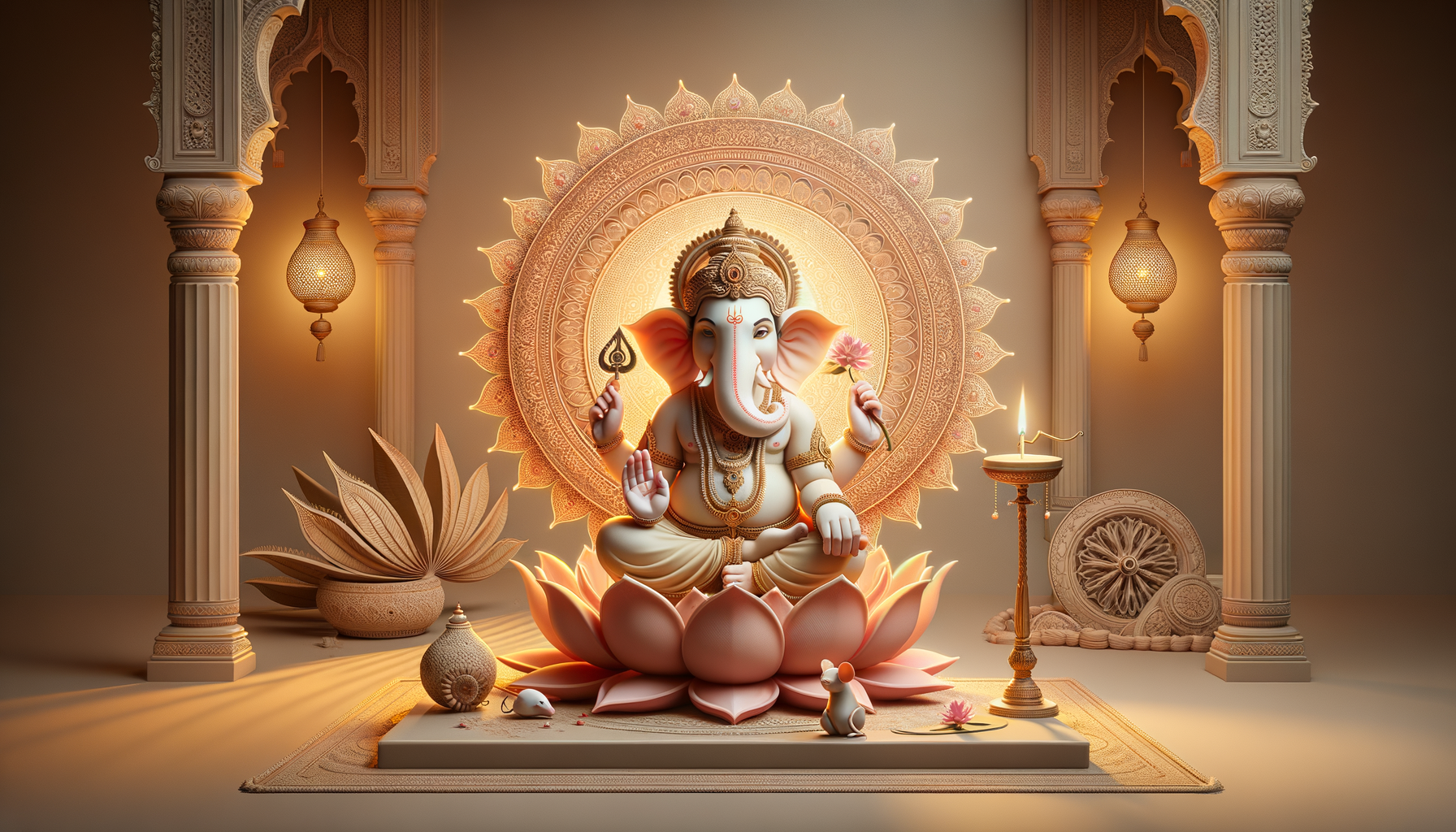
The iconography woven through these stories is equally meaningful. The elephant head symbolizes expansive intelligence and patient strength; the single tusk (Ekadanta) gestures to self-sacrifice and the refinement of knowledge; the mouse (vahana) indicates mastery over restlessness and desire. Read together, these symbols encourage a calm, disciplined mind and a compassionate outlookqualities that benefit seekers in personal, familial, and community life.
In practice, readers often engage these narratives during observances such as Ganesh Chaturthi and monthly Sankashti fasts, using recitation and contemplation to align intention before new endeavors. The stories lend themselves to satsang settings and family readings, where their clear ethical insights can be shared across generations. Many households find that returning to these accounts during transitionsacademic milestones, professional beginnings, or community initiativesoffers both reassurance and clarity of purpose.
Beyond individual devotion, the Vinayaka Purana Mahatmyam speaks to a larger ethos of unity. Within the diverse tapestry of dharmic traditionsHinduism, Buddhism, Jainism, and Sikhismvalues such as compassion, truthfulness, and mindful action resonate strongly. While forms of practice vary, the spirit of honoring wisdom, reducing harm, and fostering harmony is shared. Approached in this light, Ganesha’s stories encourage mutual respect and underscore the principle of unity in diversity at the heart of India’s civilizational heritage.
For readers exploring the text, a reflective approach can be helpful: identify a single themesuch as patience, clarity, or humilityand pair a short reading with quiet contemplation. Consider journaling practical applications for the week ahead, or sharing insights in group study. In doing so, the mahatmyam becomes a living guide, bridging scriptural wisdom and everyday decision-making.
Ultimately, the enduring appeal of the Vinayaka Purana Mahatmyam rests in its synthesis of devotion and discernment. It offers inspiration for personal growth, a vision of ethical society, and a reminder that steadfast faithgrounded in wisdomcan transform obstacles into pathways of learning and service.
Inspired by this post on Hindu Pad.