A recent order of the Supreme Court of India concerning Thirupparankundram Hill has been widely interpreted as affirming administrative restrictions on introducing or expanding non-traditional practices at specific hill locations, while protecting the long-standing temple observances associated with Karthigai Deepam. The judgment has prompted a central public question: will the Tamil Nadu government, led by the DMK (Dravida Munnetra Kazhagam), implement the Court’s directions fully, transparently, and in a manner that safeguards constitutional rights, heritage conservation, and social harmony?
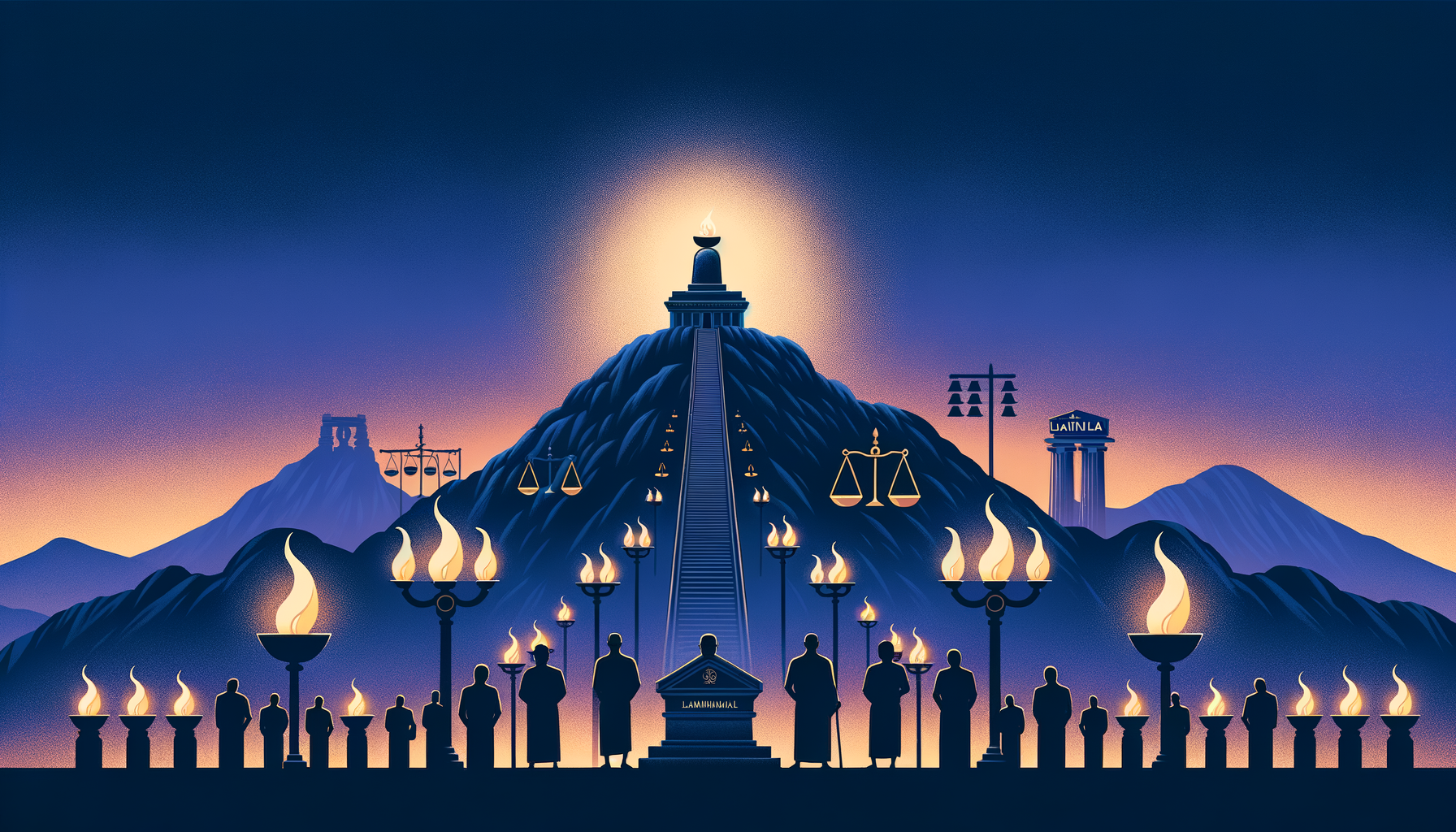
Thirupparankundramhome to the revered Subramanya Swamy Templeholds exceptional cultural and spiritual significance. The Stone Pillar Karthigai Deepam, a luminous emblem on the hill, draws large congregations each year. For many families across Tamil Nadu, the festival anchors shared memories of lamps, community kitchens, and collective prayers. Such lived experiences underscore why any legal intervention at this site must carefully balance faith, safety, and equitable access.
From a constitutional perspective, the Supreme Court’s intervention aligns with the enduring balance under Articles 25 and 26safeguarding the freedom of religion while permitting reasonable regulations of secular aspects to maintain public order, protect heritage, and manage crowds. In practical terms, the order has been understood to: (i) preserve the integrity of established rituals linked to Karthigai Deepam; (ii) uphold administrative restrictions on new or expanded practices at designated points on the hill where public order or heritage sensitivity is implicated; and (iii) direct the State to ensure non-discriminatory, peaceful observance for all, subject to safety and conservation norms.
The DMK-led administration now faces a governance test that is both operational and symbolic. Effective compliance would include issuing a time-bound Standard Operating Procedure for Karthigai Deepam at Thirupparankundram, delineating protected zones, emergency egress routes, and capacity thresholds. It would also require infrastructure upgradesclear signage, barrier-free pathways for elders and persons with disabilities, medical posts, and transit coordinationso that the festival’s devotional core is preserved without compromising safety.
Equally important is stakeholder engagement. Structured consultations with temple authorities, local residents, law-enforcement agencies, heritage experts, and representatives from Hindu, Buddhist, Jain, Sikh, and Muslim communities can reinforce mutual respect and clarity. Where specific practices are restricted at sensitive points, the administration can provide dignified, proximate alternatives so that no community experiences exclusion. This approach transforms a contentious flashpoint into a model of interfaith civility and administrative fairness.
To sustain social trust, transparent communication should accompany every decision. A public-facing dashboard detailing timing windows, access points, crowd advisories, and environmental safeguards would enable informed participation. A joint monitoring committeecomprising heritage professionals, civil society groups, and local officialscan document compliance, audit crowd flows, and recommend real-time course corrections during the festival window.
Residents often recall Karthigai Deepam as an experience of shared radiancerows of diyas, the ascent toward the hill’s breeze, and a sense of belonging that transcends individual identity. Honouring these collective memories requires policy choices that are empathetic as well as lawful. When people feel seendevotees, shopkeepers, volunteers, and first responders alikecompliance becomes a shared civic enterprise rather than a top-down edict.
Viewed through a broader cultural lens, the Thirupparankundram Hill Verdict is not merely a procedural directive; it is an invitation to uphold India’s plural ethos. Safeguarding Karthigai Deepam strengthens a living heritage central to Tamil cultural identity, while principled engagement with all communities affirms the nation’s commitment to unity among dharmic traditions and respectful interfaith relations. This dual commitmentheritage protection with social harmonyoffers a replicable template for sacred sites across India.
Ultimately, the measure of success will be simple and visible: a serene, safe Karthigai Deepam at Thirupparankundram where constitutional order, administrative competence, and public trust converge. If implemented with care, Tamil Nadu can demonstrate how a landmark Supreme Court of India ruling, the DMK government’s governance capacity, and the community’s goodwill can together illuminate pathways of peacemuch like the Deepam itself.
Inspired by this post on Struggle for Hindu Existence.