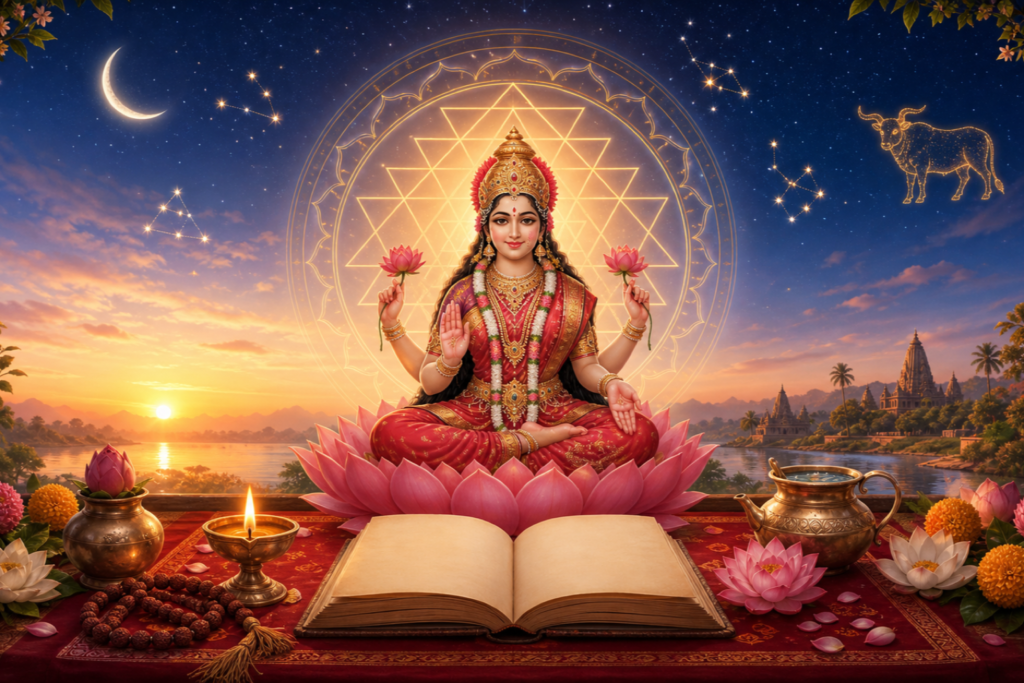
Whatever Be Your Mental State The Universe Remains Unaffected and Uninterrupted; Be In Rhythm With The Universe – Hinduism. The mind often resembles a restless ocean, rising and falling with emotion, memory, and expectation; yet the cosmos continues in serene continuity. Recognizing this contrast invites a disciplined turn inward: steadiness of awareness aligned with the steady order of reality.
Across the dharmic traditionsHinduism, Buddhism, Jainism, and Sikhismthis insight appears with remarkable concordance. In Hindu thought, cosmic order (ṛta) and dharma describe an underlying harmony untouched by personal turbulence. Buddhist teachings on anicca (impermanence) and mindfulness train attention to observe mental waves without identification. Jain samayik cultivates equanimity and restraint, while Sikh understanding of hukam and remembrance through Naam aligns daily life with divine order. These complementary perspectives converge on a single principle: clarity emerges when mind and conduct are attuned to the unshaken rhythm of reality.
The Bhagavad Gita frames this stance as inner equipoise: “samatvaṁ yoga ucyate.” Stability of mind is yoga itself. Yoga Sūtra defines practice as the settling of mental modifications“yogaś citta-vṛtti-nirodhaḥ.” When attention rests without agitation, perception becomes accurate, ethical action becomes natural, and resilience deepens. The universe does not bend to a mood; conscientious practice bends the mind into alignment with the universe.
Practical methods across dharmic lineages reinforce this alignment. Breath regulation (prāṇāyāma) steadies the nervous system; mantra japa anchors attention; mindfulness of body and sensation refines clarity; contemplative reading of scriptures focuses discernment. Observing dawn and dusk, eating and resting in regular rhythms, and walking in nature synchronize daily life with larger cosmic cycles, translating philosophy into embodied experience.
Ethical disciplines make this steadiness durable. Ahimsa (non-harm), satya (truthfulness), seva (selfless service), and dayā (compassion) convert inner calm into social harmony. When conduct respects dharma, the microcosm of the mind reflects the macrocosm: order begets order. This is not denial of emotion; it is guidance for transforming energy into constructive presence.
Cognitive clarity follows from this ethical-embodied path. Thoughts are noticed rather than obeyed; emotions are acknowledged without being enthroned. The awareness that “the cosmos continues” provides perspective during strain and humility during success. Such perspective loosens reactivity, making space for insight, gratitude, and compassionate response.
Community practices strengthen the same rhythm. Shared meditation, congregational recitation, scriptural dialogue, and cooperative service integrate inner peace with public good. Unity among Hindu, Buddhist, Jain, and Sikh practitioners around these convergent disciplines affirms a vital truth: diverse methods can nourish a single aspirationharmonious coexistence rooted in wisdom.
In this light, cosmic harmony is neither abstraction nor escapism; it is a disciplined way of seeing and living. When storms arise in the mind, the sky remains. By aligning with dharma, remembering anicca, practicing samayik, and honoring hukam, steadiness becomes reliable. The universe remains unaffected and uninterrupted; in rhythm with it, clarity, courage, and compassion become daily companions.
Inspired by this post on Hindu Blog.