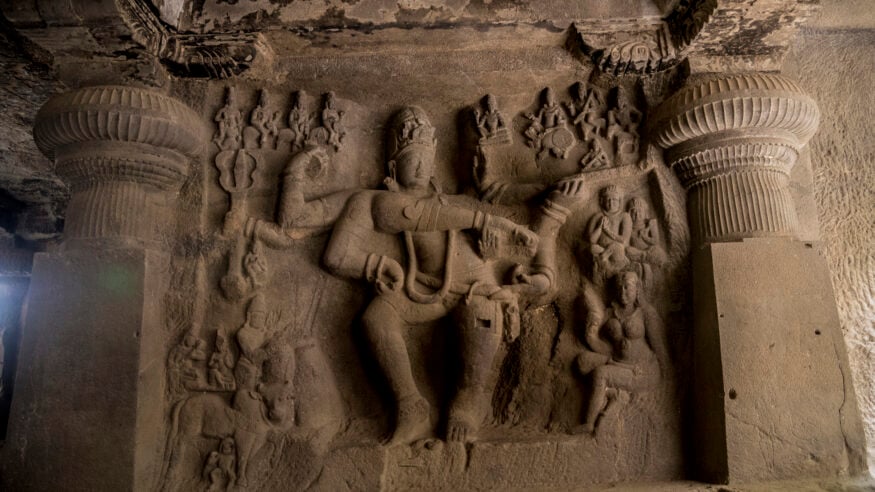
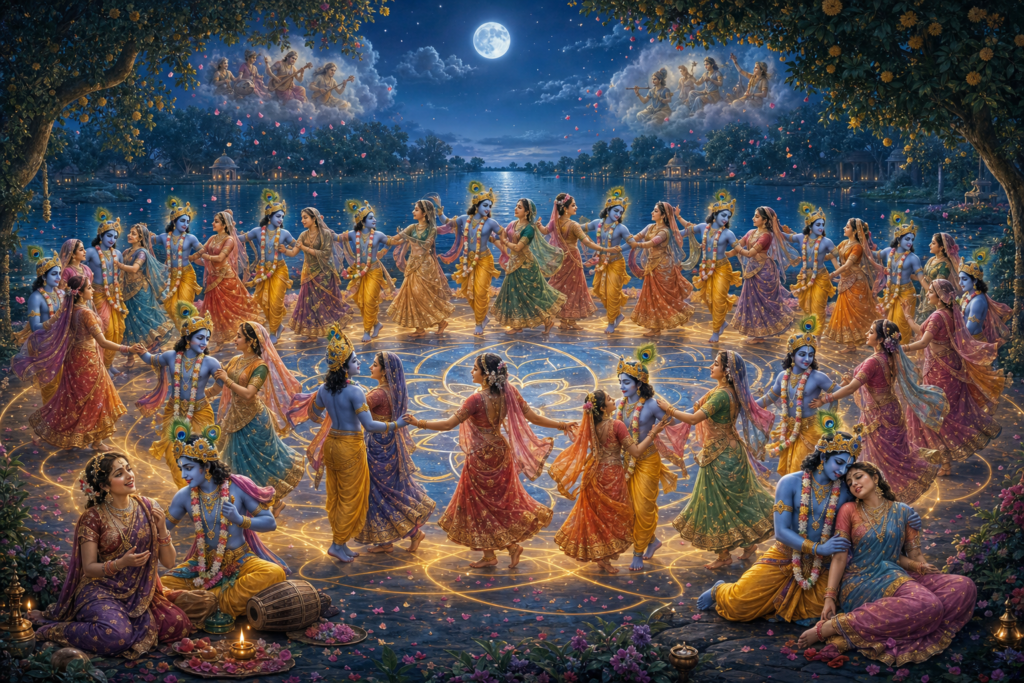
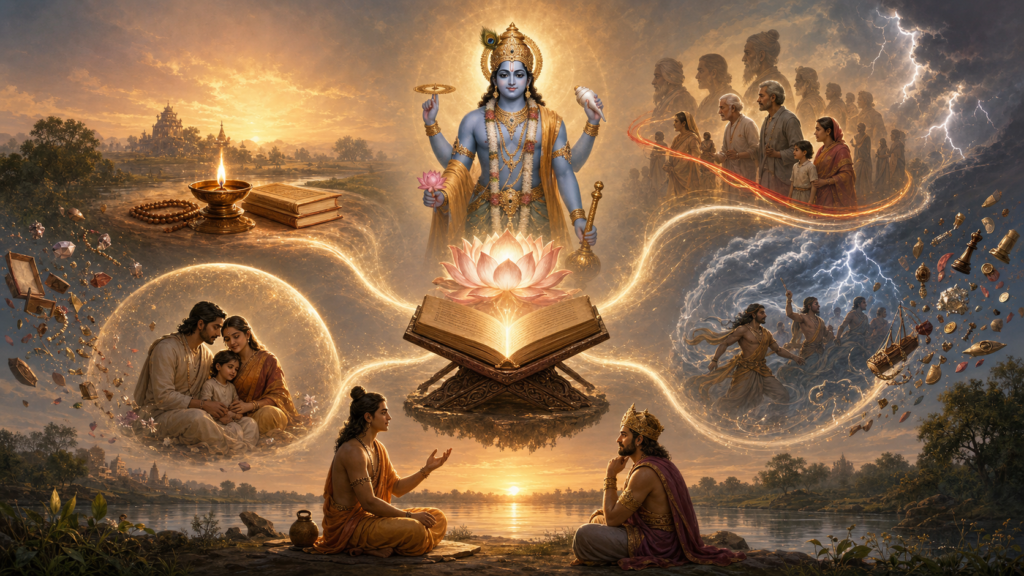
Arts encompass literature, painting, music, theatre, sculpture, and numerous classical and modern forms. Beyond personal enrichment and social cohesion, one benefit stands out as essential: art guides social innovation. By translating values into images, stories, and sounds, art helps communities imagine better futures and align everyday choices with those aspirations. Across dharmic traditionsHinduism, Buddhism, Jainism, and Sikhismart has long served as a living bridge that communicates compassion, ahimsa, seva, and dharma in ways accessible to all.
Journalism functions as a vital commentary on society, documenting what is happening and striving for accuracy and integrity. Yet, because it often privileges the remarkable over the routine, it can miss the formative power of the mundanethe quiet spaces where social norms, customs, and assumptions actually take root. In these ordinary moments lie the cultural cues that shape collective behavior and ethical expectations.
After a news cycle, many find themselves weighing headlines against assumed community values. The result can be pride at shared achievements or unease about deepening divisions. In quieter times, people ask what society has become and where it is going; they wonder what society should be or could become. The ideal is rarely clear, and even when it feels within reach, it is not obvious how everyone would fare if that vision materialized.
‘Some men see things as they are and say why, I dream things that never were and say, why not’ – George Bernard Shaw (1856–1950)
That insight points directly to a central function of art. Art imagines society as it can be and renders those possibilities visible. These artistic visions operate like social goalsorienting values, customs, and mores toward a shared North Star. In this sense, art is not an escape from reality; it is a disciplined method of cultural foresight and ethical inquiry.
Art also warns by imagining futures to avoid. Through dystopias, satire, or stark moral dilemmassuch as a detective confronting vigilante justiceart invites a deeper examination of principles and unintended consequences. By staging such questions in narrative and performance, art cultivates reflective distance and moral clarity without demanding immediate agreement.
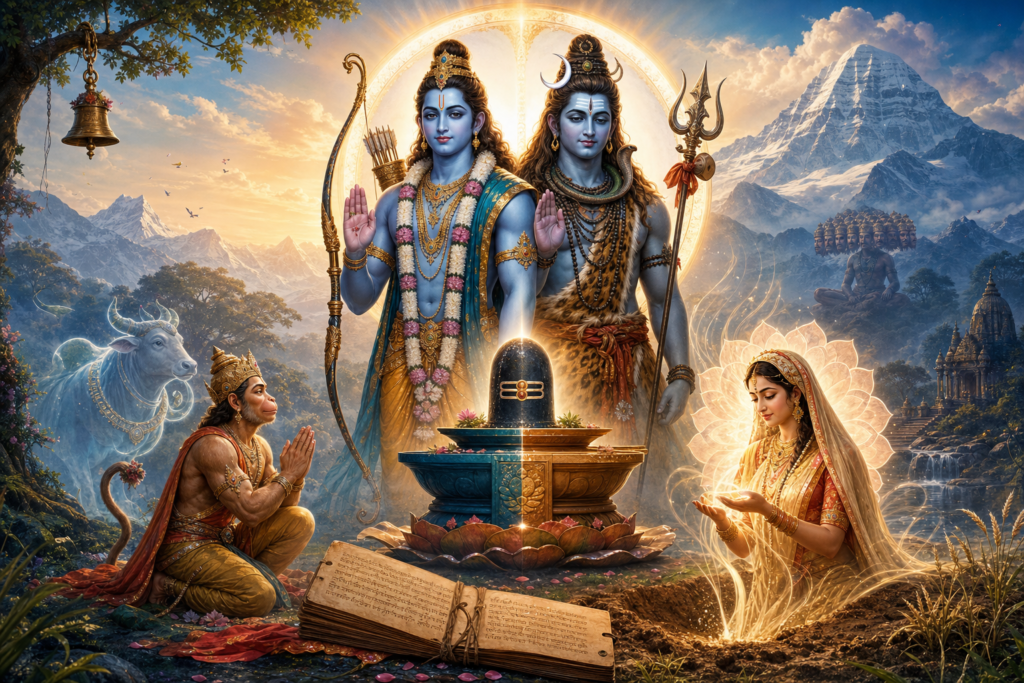
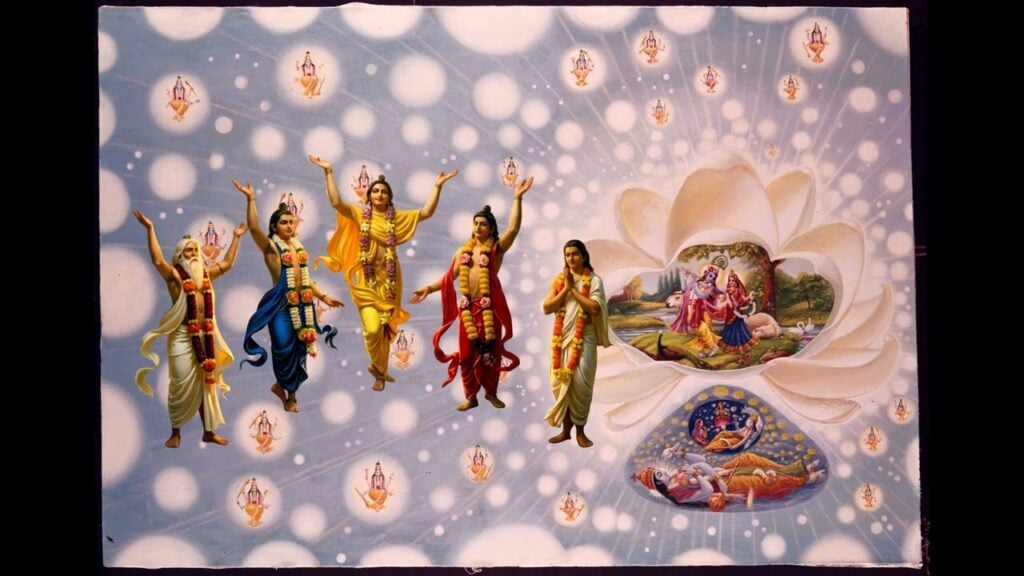
Comedy and tragedy, symbolism and metaphor, collectively expose biases and test convictions. This is a proven pathway to social change: audiences expand empathy, recognize blind spots, and reconsider entrenched positions. Dharmic traditions offer rich examplesJataka tales, Jain parables, Sikh shabads, and Hindu epics have long modeled ethical reasoning, nonviolence, service, and duty. These artistic lineages demonstrate how diverse paths can harmonize around shared human values, strengthening unity in diversity.
In an era of polarized media ecosystems and algorithmic amplification, reportage can mirror prevailing narratives while everyday voices recede into obscurity. This is precisely where thoughtful art is most needed: to surface lived realities that are hidden in plain sight, to listen at the margins, and to reveal complexity beyond familiar frames. Historically, art often emerged at the fringes; today, it frequently emerges from the silences created by information overload. By illuminating what is overlooked, art helps societies integrate plurality without erasing difference.
Engaging seriously with literature, painting, music, theatre, and sculpture is therefore a civic practice, not merely a leisure activity. Community exhibitions, interfaith and inter-tradition performances, and storytelling rooted in dharmic ethics can cultivate empathy and shared purpose. When audiences encounter art that honors multiple perspectives while affirming compassion and responsibility, social innovation becomes both inclusive and sustainable. In this way, art transforms imagination into collective action and guides society toward a just, resilient, and genuinely unified future.
Inspired by this post on RightViews.