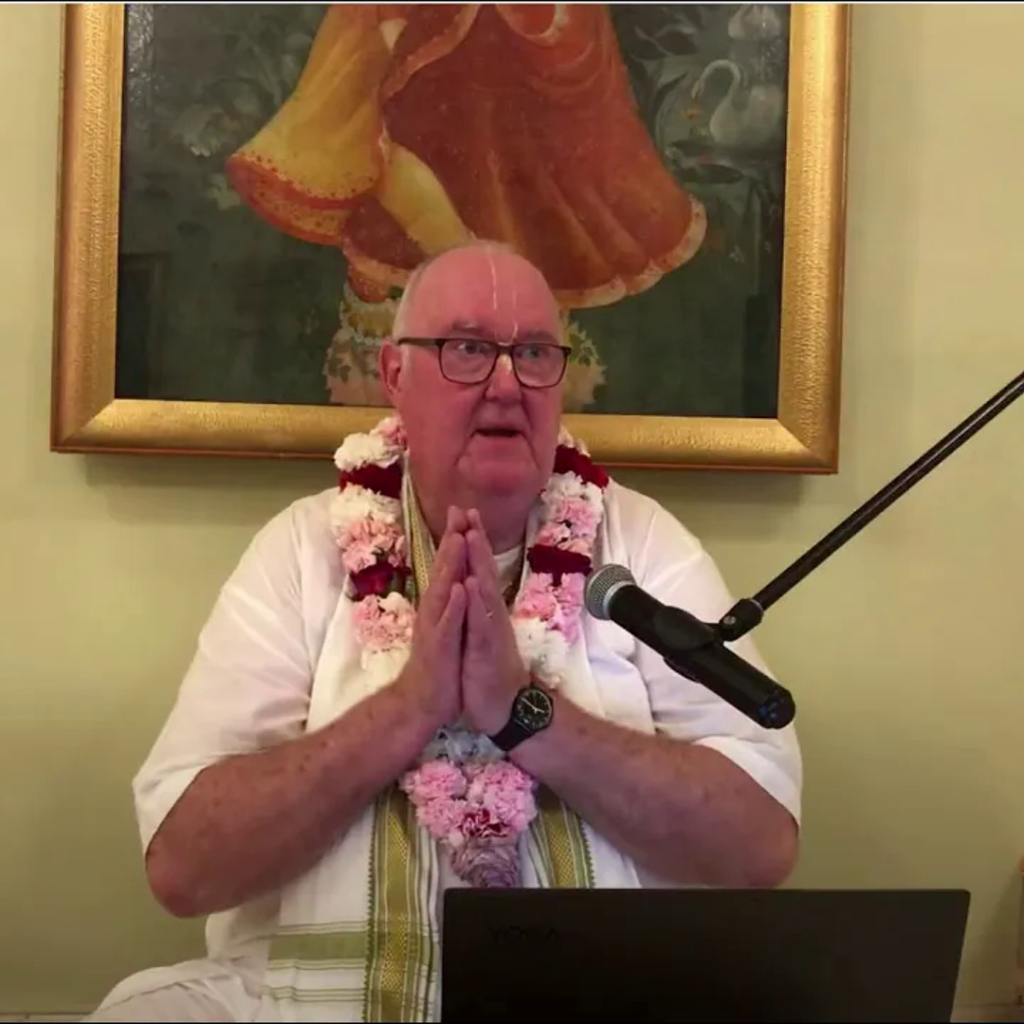
In a timely contribution to the Success Sadhana series, Vaisesika Dasa articulates a clear, practice-oriented invitation: move beyond illusion, distraction, and surface-level living to become real now. Drawing on the bhakti tradition and consonant insights across Hinduism, Buddhism, Jainism, and Sikhism, the message reframes success as inner clarity and sustained alignment with dharma. Rather than measuring life by external markers alone, success is defined as the capacity to discern what truly matters and to act in accordance with a higher purpose each day.
Within the dharmic lexicon, becoming real now means orienting life toward satya and dharma while seeing through mayapatterns of perception and habit that obscure inner wisdom. This is neither an abstract ideal nor a rejection of worldly responsibility. It is a practical re-centering that many traditions recognize: in Buddhism as the cultivation of sati to dispel avidya, in Jainism as the overcoming of mithyatva, and in Sikhism as living beyond haumai through simran and seva. The throughline is unmistakable: disciplined awareness, ethical intention, and compassionate action restore reality to its rightful primacy.
Success understood this way is not merely an outcome but a disciplined orientation. The framework of purusharthasdharma, artha, kama, mokshaoffers a rigorous map. Bhakti adds a relational dimension: aligning artha and kama to dharma through devotion, remembrance, and service. In everyday terms, this implies designing one’s schedule, attention, and commitments so that they consistently reflect what is most deeply valued, not what is most immediately tempting.
Becoming real begins with an honest examination of life. A practical audit asks four questions: Where does time actually go? What receives the best energy each day? Which relationships reflect care and responsibility? Which duties remain unattended because of distraction or avoidance? Such a review is most effective when paired with a simple sankalpaa concise statement of intention that bridges conviction and conduct.
Three recurring signs indicate entanglement in illusion. First, chronic distraction: reactive attention shaped by notifications, urgency loops, and novelty-seeking. Second, a value–action gap: knowing what matters yet habitually postponing it. Third, emotional turbulence without contemplative processing. Contemporary cognitive science corroborates these patternsattentional capture, hedonic adaptation, and social comparison bias all erode clarity without rigorous counter-practice.
The bhakti architecture of sadhana provides a methodical antidote. Sravanam (receptive study of sacred texts and teachings), kirtanam (devotional chanting), and smaranam (remembrance) stabilize attention and refine intention. Complementary practices across the dharmic family reaffirm the method: mindfulness meditation (sati) in Buddhism, samayik and pratikraman in Jainism, and simran and seva in Sikhism. The common core is deliberate awareness, ethical restraint, and a heart inclined toward compassion.
Attention training relies on the body as an instrument. Breath-centered methodssuch as diaphragmatic breathing, nadi shodhana, and box breathingdownshift physiological arousal and improve present-moment stability. Many practitioners track readiness with subjective calm, steadiness of gaze, and, where available, heart rate variability as a proxy for parasympathetic tone. In tandem, brief mindfulness intervals throughout the day stabilize concentration and reduce rumination.
Pratyahara in the digital age requires deliberate environment design. Reducing friction for what matters (pre-set materials for japa or study) and increasing friction for what derails (moving attention-stealing apps off the home screen, using website blockers during sadhana windows) reclaims cognitive bandwidth. Fixed windows for deep work, device sabbaths, and cue-based routines (sankalpa, seat, breath, japa) convert aspiration into reliable habit.
A sample daily cadence illustrates how Success Sadhana becomes lived reality. Morning: five minutes of breath awareness, fifteen minutes of sravanam (e.g., Bhagavad Gita or Upanishads), and twenty minutes of japa, kirtanam, or silent meditation. Midday: two-minute micro-practices before major tasksexhale-lengthening breaths and a brief recitation or simran to reset intention. Evening: reflective journaling (manana) to note value–action alignment, interpersonal care, and one refinement for tomorrow.
To make alignment operational, a simple Dharma Alignment Map clarifies roles and duties: family, work, learning, community, and contemplative practice. For each role, articulate one dharmic principle, one specific action, and one metric. This echoes the Gita’s teaching on svadharmaupholding one’s rightful responsibilities with steadinesswhile honoring the bhakti emphasis on offering actions in a mood of devotion rather than attachment to outcomes.
Purpose articulation becomes clearer when integrating purusharthas with practical vocation. A concise model asks: Which abilities generate sustainable artha when guided by dharma? Which pursuits elevate kama from indulgence to aesthetic refinement and gratitude? Which commitments reliably cultivate inner quiet that opens to moksha-oriented insight? The Sikh principle of seva provides a pragmatic test: purpose matures when it consistently serves others.
Common obstacles appear as anarthaskama, krodha, lobha, moha, mada, matsaryawhich disorganize attention and erode ethics. Systematic replacement is effective: desire transmuted into disciplined aspiration, anger into principled courage, greed into generosity, delusion into inquiry, pride into humility, and envy into admiration. Each transmutation stabilizes sattva and makes concentration sustainable.
Relatable experiences often begin with small recognitions. Many notice a quiet relief when a device is silenced for morning practice. Others report that chanting softens reactivity in conversation or that mindful pauses avert avoidable errors at work. These simple inflection points restore a sense of inner dignity and reveal that becoming real is not a future event but a present-moment discipline.
Measurement clarifies progress without reducing spirituality to a spreadsheet. Leading indicators include minutes of daily practice, the number of re-centered pauses under pressure, and consistency with the Dharma Alignment Map. Lagging indicators include improved sleep, reduced impulsivity, higher-quality attention during study or seva, and greater patience in relationships. Weekly reflectionWhat strengthened dharma? What diluted it?keeps the process adaptive.
Ethical guardrails prevent distortions. Spiritual bypassingusing practice to avoid difficult conversations or responsibilitiesundercuts integrity. Performative displays of piety substitute image for substance. Bhakti’s heart orientation and the wider dharmic emphasis on ahimsa and truthfulness keep the center of gravity on humility, compassion, and accountability.
Community strengthens perseverance. Satsang, kirtan, scriptural study circles, and inter-tradition dialogues create a field of shared aspiration. Whether one resonates most with simran, sati, samayik, or smaranam, the collective discipline of respectful listening and mutual encouragement nurtures unity across the dharmic family while honoring each path’s integrity.
Ultimately, Success Sadhana reframes achievement as the daily capacity to cut through illusion, reclaim attention, and act from a higher purpose. Vaisesika Dasa’s call is both simple and demanding: become real nowthrough consistent sadhana, ethical clarity, and compassionate service. When practiced with steadiness, this orientation generates a durable sense of meaning and a tangible contribution to family, work, and society.
The invitation is therefore practical and universal across dharmic traditions: clarify what matters, design life around it, and let devotion, mindfulness, and service mature character over time. By aligning thought, breath, and behavior to dharma, surface-level living gives way to depth. What emerges is not ascetic withdrawal but poised engagementlucid, affectionate, and anchored in reality.
Inspired by this post on Dandavats.