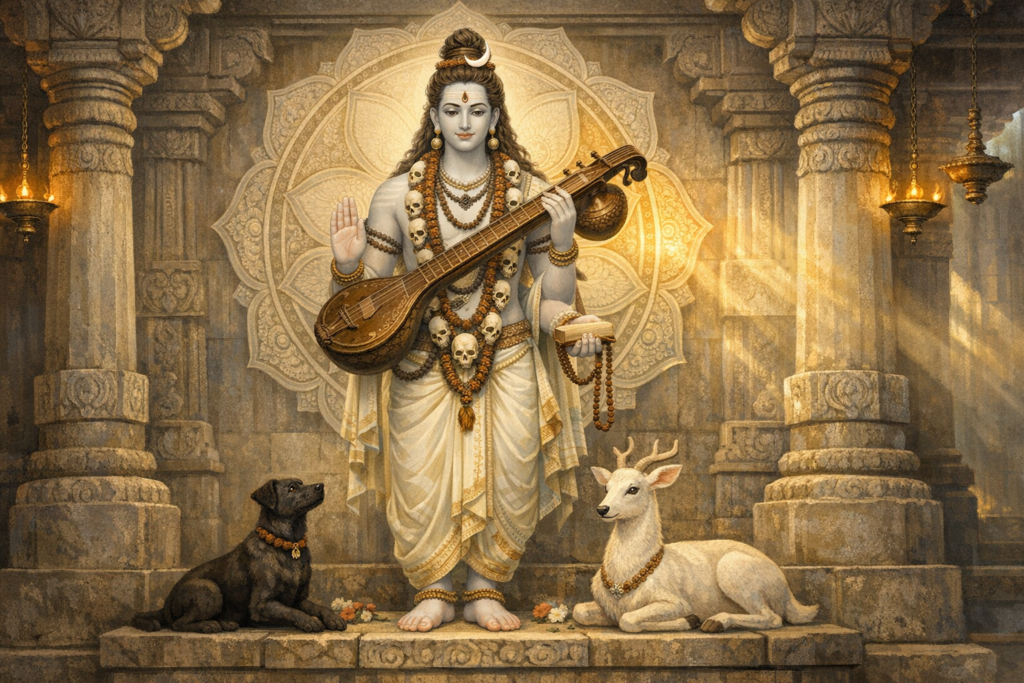
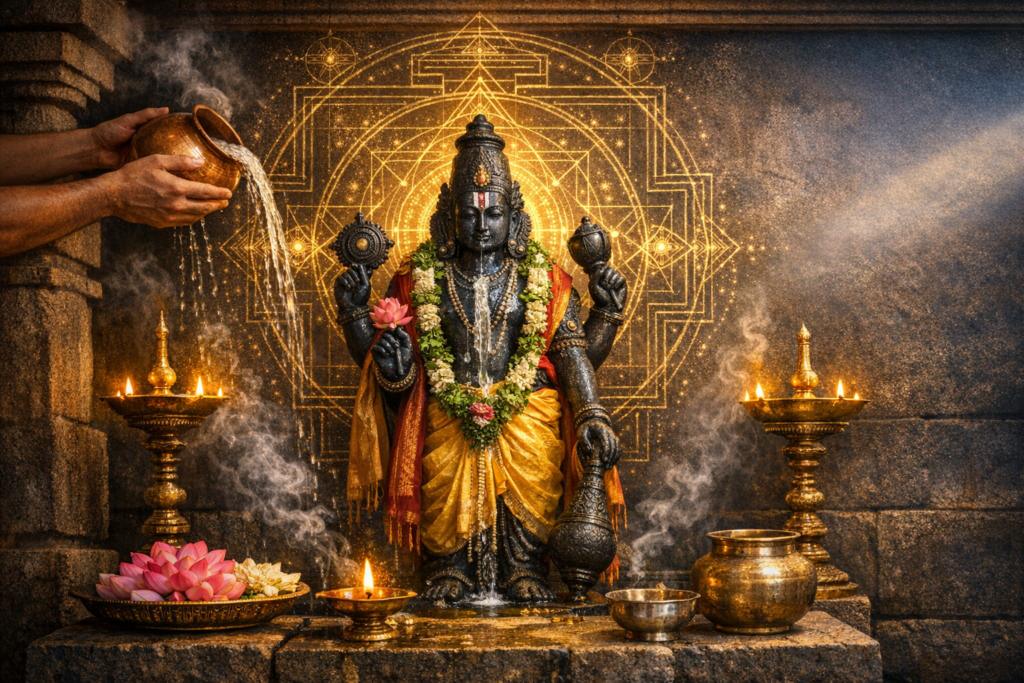
The statement “he who has firm control over himself is a good warrior” encapsulates a central insight of Hindu philosophy: true strength begins within. In this view, victory is not confined to battlefields but extends to the disciplined governance of one’s senses, thoughts, and impulses. Such self-mastery aligns with dharma and reveals Kshatra Dharma as an ethical commitment to courage anchored by restraint, clarity, and compassion.
Hindu teachings consistently elevate self-control as the foundation of all spiritual advancement. The Bhagavad Gita emphasizes that the mind becomes a friend when disciplined and an adversary when left untrained. Before any righteous action can be effective, clarity of intention and steadiness of mind are essential. This understanding reframes the “warrior” as one who conquers inner turbulence to act with wisdom, not aggression.
Yoga provides a practical architecture for this mastery. Yama and Niyama cultivate Self-Discipline; Pratyahara redirects attention inward; Dhyana stabilizes awareness; and Pranayama refines breath and energy. These practices transform reactions into thoughtful responses, allowing practitioners to carry the composure of meditation into daily challenges at work, home, and in community life.
Everyday experience affirms this principle. When anger rises, a pause, a steady breath, or a brief mantra can restore perspective. Such moments demonstrate how self-control prevents words and actions that cause harm. The “warrior within” is not a figure of conquest but of inner strength and ethical clarity, demonstrating that restraint often requires greater courage than retaliation.
This insight is shared across dharmic traditions, strengthening unity rather than division. Buddhism emphasizes sīla (ethical discipline), samādhi (concentration), and paññā (wisdom) as a path of self-mastery. Jainism embodies rigorous ahimsa, vrata, and practices like samayik and pratikraman to refine conduct and intention. Sikhism’s ideal of the sant-sipahi (saint-soldier) unites inner devotion with just action. Together, these traditions affirm that disciplined self-control is a universal dharmic virtue.
In contemporary contexts marked by distraction, polarization, and speed, self-control is also a civic virtue. It enables respectful dialogue, reduces impulsive conflict on social media, and strengthens resilience amid uncertainty. Leaders and citizens alike benefit from the ethical clarity that arises from a disciplined mind.
Self-mastery also guards against adharma. It tempers greed, anger, and pride while nurturing compassion, patience, and discernment. Guided by dharma, strength is expressed without cruelty, and courage is exercised without recklessness. In this way, self-control supports seva (service), justice, and social harmony.
A simple, sustainable regimen can cultivate this inner discipline: a brief daily cycle of Pranayama and mindful observation; focused japa to steady attention; short periods of Pratyahara (including digital boundaries) to reduce reactivity; and regular svadhyaya (self-reflection) to align actions with principles. Weekly seva deepens the connection between inner clarity and outer responsibility.
Ultimately, Hindu philosophy teaches that a “good warrior” is measured by mastery of the self. Through Yoga, Meditation, and ethical living, individuals cultivate the clarity and courage needed to act rightly. When viewed through the shared lens of the dharmic traditions, self-control becomes not only the key to personal peace but also a path to collective harmony.
Inspired by this post on Hindu Blog.