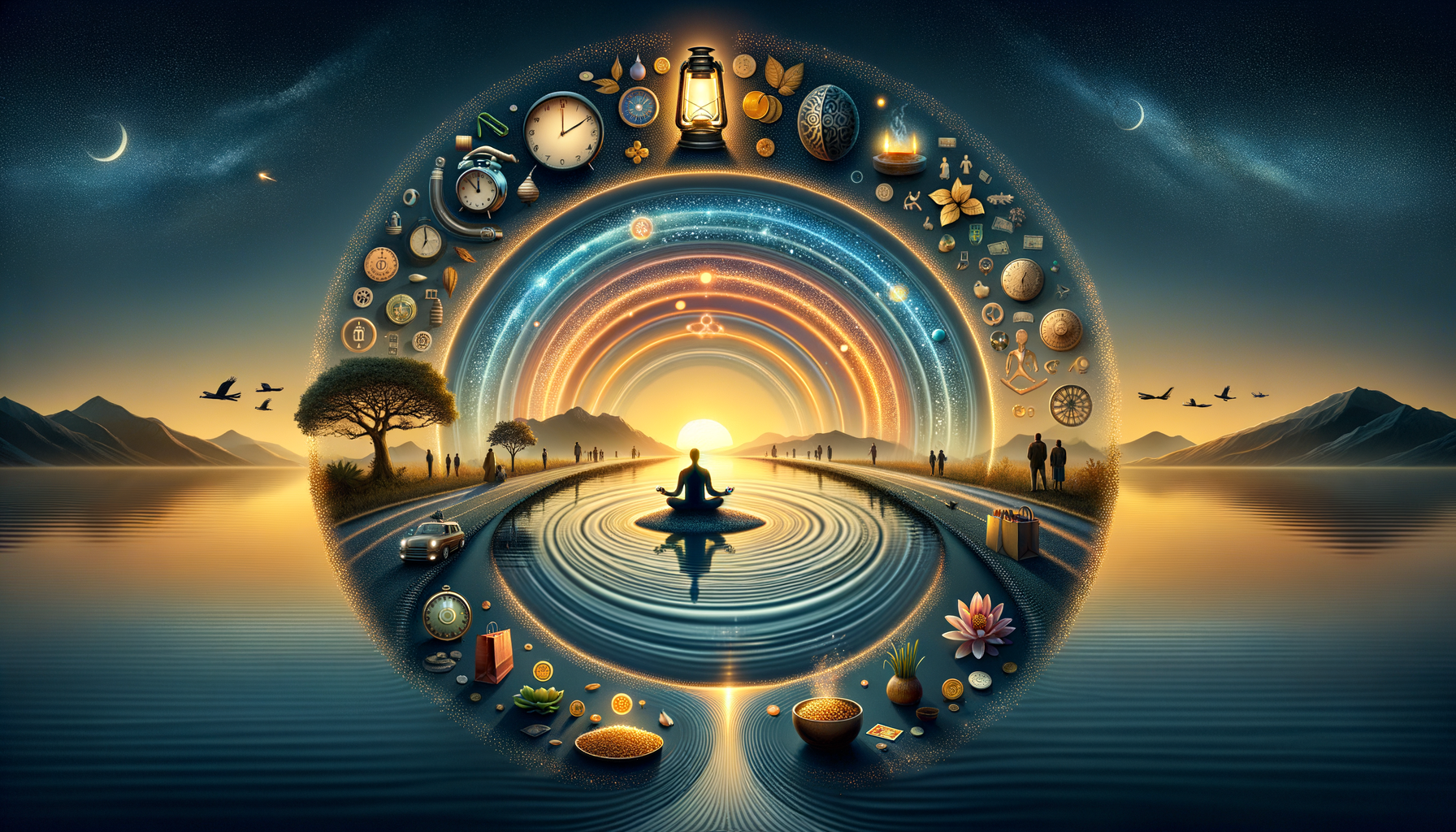
The natural world moves with rhythmic simplicity: beings rise, seek sustenance, overcome challenges, taste the modest fruit of effort, and rest. The cycle repeats with unadorned clarity. Human life, however, often departs from this ease. Despite unprecedented progress, many experience a restless undertowan incessant urge for morerevealing a paradox at the heart of modern existence.
Hindu thought describes this condition as samsaratransmigratory existence shaped by karma, sustained by desire, and oriented by dharma. This shared insight resonates across dharmic traditions: Buddhism elucidates the cycle of birth and death and the craving (tanha) that sustains it; Jainism emphasizes the karmic matter that binds the jiva and the disciplined path that purifies it; Sikh teachings speak of liberation (mukti) from cycles through Naam, seva, and righteous living. Together, these perspectives affirm that the restlessness of the human condition is intelligible, and more importantly, addressable.
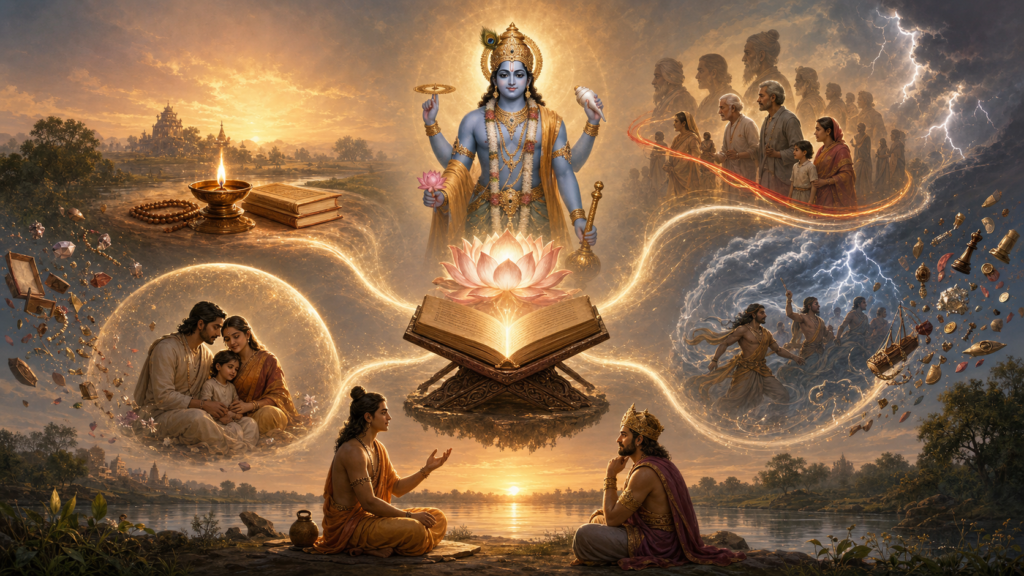
The paradox of human progress becomes clear when innovation amplifies desire rather than wisdom. Tools designed to save time can intensify distraction; abundance can magnify anxiety. Within Hindu philosophy, this is not a moral failure but a misalignment of pursuits: artha and kama (wealth and desire) flourish when guided by dharma and ultimately oriented toward moksha. Without this orientation, achievement can deepen attachment and extend the arc of samsara.
Desire (kama) itself is neither condemned nor denied; it acquires meaning within an ethical and contemplative framework. When desires are refined by dharma, they mature into contentment and gratitude; when untethered, they multiply, fragment attention, and perpetuate transmigration. This is why the purusharthasdharma, artha, kama, mokshaare presented as an integrated vision of life rather than competing aims.
In daily experience, the difference is palpable. Many accomplish more yet rest less, carry more information yet feel less clarity. The body completes its cycles, but the mind remains unsettled. Hindu wisdom interprets this as an inner ecology issue: when the field of mind is stirred by incessant desire and aversion, even success cannot yield peace. When awareness is trained and conduct purified, ordinary life itself becomes a site of freedom.
Dharmic paths offer practical disciplines to resolve this restlessness. Dhyana cultivates steadiness; pratyahara and pranayama refine attention; viveka (discernment) and vairagya (dispassion) rearrange priorities. Buddhism’s anapanasati and insight practices calm reactivity and illuminate impermanence; Jain samayik stabilizes equanimity and non-violence (ahimsa); Sikh simran and kirtan center the heart in Naam while seva dissolves self-absorption. Though methods vary, the shared aim is liberation from compulsive desire and habitual identification.
Ethical action is not ancillary; it is central. Karma is shaped by intention and conduct, and dharmic traditions converge on core virtues: ahimsa, satya, daya, and seva. In the Yoga tradition, the yamas and niyamas discipline behavior and purify motive. Jain vows anchor restraint; Buddhist precepts protect attention; Sikh rehat nurtures truthful living. Such virtues lighten karmic burdens, align progress with purpose, and make freedom plausible in the midst of responsibility.
Unity in spiritual diversity is a strength of the dharmic family of traditions. Plural pathsIshta in Hinduism, diverse meditative and devotional forms in Buddhism, Jainism, and Sikhismaffirm that different temperaments require different approaches. This plurality is not relativism; it is a shared commitment to truth pursued through compassion, discipline, and insight. The acceptance of multiple valid means becomes the foundation for communal harmony and mutual respect.
Reframing progress through this lens yields a clear measure: advances are genuine when they lessen suffering, refine desire, and expand freedom. When actions reduce greed, anger, and delusion, life’s transmigratory current loses its pull. When dharma governs artha and kama, moksha is no longer an abstraction but an attainable directiona steadying North Star amid the flux of time.
The restless journey can become a restful one. By integrating discernment with compassion, knowledge with practice, and individual aspiration with collective well-being, the cycles of life cease to feel like a treadmill and begin to read like a curriculum. Samsara then reveals its pedagogical purpose: to point beyond itself, toward enduring clarity, ethical strength, and inner freedom.
Inspired by this post on Hindu Blog.