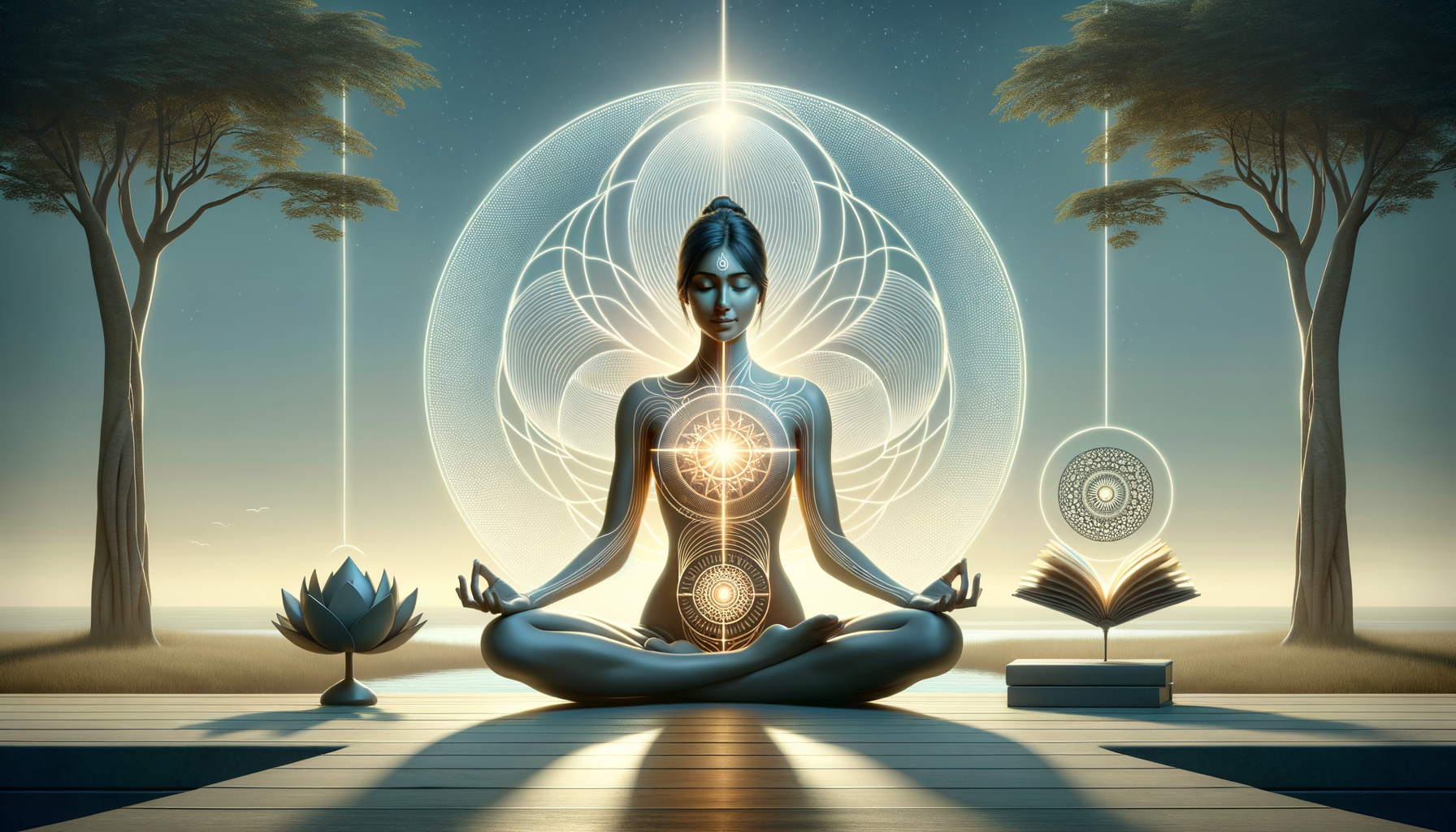
Within Hindu philosophy, Dhyana (meditation) and Vichara (enquiry) function as complementary disciplines that converge in Self-Realization. The tradition maintains that moksha is not the acquisition of something new, but the unveiling of the ever-present Atman, identical with Brahman. This insightgrounded in the Upanishads, Vedanta, and the Bhagavad Gitaframes the spiritual quest as the removal of avidya (ignorance) through clarified attention and penetrating understanding.
The essence of the spiritual path is thus the steady recognition of the Self as the substratum of all experience. In this view, liberation (moksha) is the revelation of what already is, rather than a future attainment. Hinduism emphasizes that diverse temperaments benefit from diverse methods; Dhyana and Vichara operate as two interwoven pathways that cultivate inner stillness and discriminative knowledge, aligning with the broader ethos of unity in spiritual diversity across dharmic traditions.
Dhyana, as clarified in Patanjali’s Yoga Sutra, is the unbroken flow of attention toward a chosen object, often supported by breath awareness and Pranayama. Sustained meditation refines sattva (clarity), stabilizes the mind, and prepares it for insight. Many practitioners observe that simple practicessteady posture, relaxed breathing, and non-reactive observationgently calm the nervous system, enhance emotional balance, and cultivate compassion. In the language of Yoga, concentration matures into meditation, and meditation matures into absorption, creating the inner quiet in which knowledge can take root.
Vichara, especially in the Advaita Vedanta stream, is enquiry into the nature of the experiencer. The Upanishadic sequence of śravaṇa (listening to the teaching), manana (reasoned reflection), and nididhyāsana (deep contemplation) articulates a rigorous methodology. In more contemporary articulation, ātma-vichara (“Who am I?”) invites attention to the witnessing awareness behind thoughts, sensations, and roles. This is not mere intellectual analysis; rather, it is discriminative knowledge (jñāna) that dissolves misidentification, revealing Atman-Brahman unity.
When harmonized, Dhyana stabilizes the mind while Vichara directs it toward truth. The Bhagavad Gita models this integration, showing how contemplative stillness and discerning understanding mutually reinforce each other. Ethical foundationsyama and niyama, ahimsa, satya, and disciplined livingprovide the stabilizing context for practice, ensuring that insight translates into character and conduct (dharma).
This synthesis resonates across dharmic traditions. In Buddhism, dhyana (jhāna) refines awareness for insight into impermanence and non-self. In Jainism, the disciplines of dharma dhyana and shukla dhyana cultivate purity, non-violence (ahimsa), and clarity. In Sikhism, simran (remembrance) and vichar (reflective understanding of Gurmat) nurture inner stillness and wisdom. Such convergences demonstrate a shared civilizational commitment to inner transformation and interfaith harmony, affirming unity in diversity without erasing distinct paths.
A practical framework often followed includes: preparing with mindful breathing (Pranayama) to steady the senses (pratyahara); settling into Dhyana with effortless attention; engaging Vichara to examine the sense of “I” and its shifting identifications; and integrating insights through seva, right action, and gratitude. Community study (satsang), guided reflection on the Upanishads and the Bhagavad Gita, and periodic silence (mauna) further consolidate understanding. Such structure supports seekers in modern life without demanding withdrawal from responsibilities.
Contemporary relevance is clear. These practices foster mental clarity, emotional resilience, and ethical stability amidst rapid change. By aligning meditation with enquiry, practitioners report reduced reactivity, improved focus, and a grounded sense of meaning. This integrative approach also encourages mutual respect among Hinduism, Buddhism, Jainism, and Sikhism, enriching dialogue and social cohesion while honoring each tradition’s unique idiom.
In conclusion, Dhyana and Vichara are two wings of one movement toward Self-Realization. Meditation quiets the mind; enquiry illumines the Self. Together, they dissolve avidya and reveal the fullness (pūrṇam) that Hindu philosophy declares to be present here and now. This timeless synthesis, supported by Vedanta, Yoga, and related dharmic insights, offers a balanced, reliable, and deeply humane path to inner freedom.
Inspired by this post on Hindu Blog.