

Rabindranath Jayanti is the birth anniversary of Rabindranath Tagore, a legendary figure in Indian literature and culture. It is celebrated on May 7th every year to commemorate his birth and honor his contributions to the fields of literature, music, art, and social activism.
On this day, people in India and around the world pay tribute to Tagore’s works and celebrate his legacy through cultural programs, seminars, and discussions. The day is also an occasion for schools and colleges to organize various events and competitions to promote Tagore’s ideas and teachings among students. Overall, Rabindranath Jayanti is a day of remembrance and celebration of one of the most influential figures in Indian history and culture.
Rabindranath Tagore, also known as Gurudev, was a prolific writer, poet, musician, and artist who made immense contributions to Indian literature, music, art, and culture. He was born on May 7, 1861, in Calcutta (now Kolkata), India, and was the first non-European to win the Nobel Prize in Literature in 1913 for his collection of poems called Gitanjali (Song Offerings).
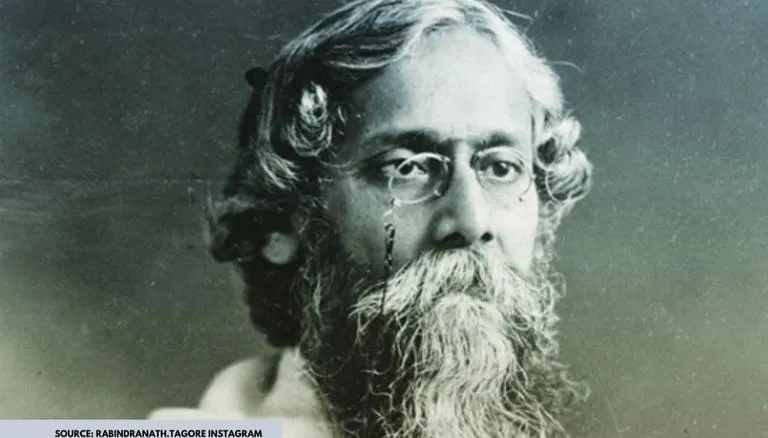
Tagore was a visionary thinker and a philosopher who had a deep understanding of Indian culture, history, and spirituality. His works are deeply rooted in the Sanatana (eternal) tradition of India, and he drew inspiration from ancient texts like the Vedas, Upanishads, and the Bhagavad Gita.
Tagore’s contribution to Bharat and Sanatana can be seen in his literary works, music, art, and social activism. Let us explore some of these contributions in detail.
Literature
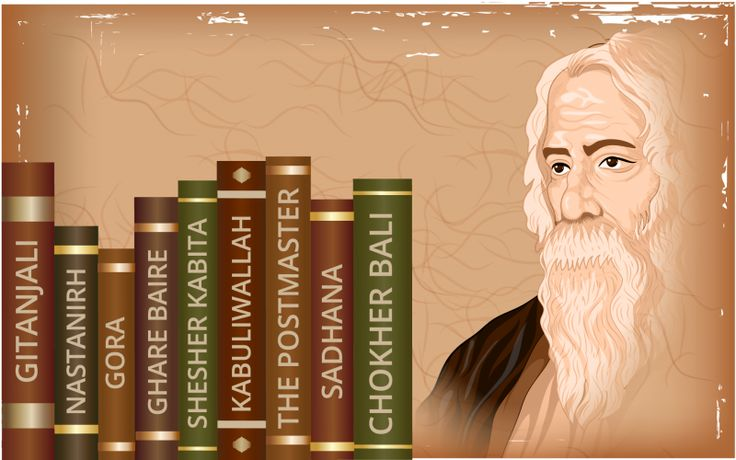
Tagore is widely regarded as one of the greatest literary figures of India and the world. He was a versatile writer who penned numerous poems, songs, stories, essays, and plays. His literary works are deeply influenced by the Sanatana tradition, and he used literature as a means to promote humanism, universalism, and spirituality.
One of Tagore’s most famous works is Gitanjali (Song Offerings), a collection of poems that earned him the Nobel Prize in Literature. The poems in Gitanjali are deeply spiritual and celebrate the unity of all creation. Here is a quote from Gitanjali in Bengali:
“জীবন যখন শুধুই থাকে শ্বাস, তখন শুধুই সেই মমতার ভাষা বুঝি।”
(Transliteration: Jibon jokhon shudhu thake shwas, tokhon shudhu sei momotar bhasha bujhi.)
(Translation: When life is just a breath, then only do I understand the language of love.)
This quote reflects Tagore’s deep understanding of the spiritual nature of life and his emphasis on the language of love as a means to connect with the divine.
Another one of Tagore’s notable works is “Kabuliwala,” a short story that explores the themes of love, friendship, and humanity. The story is set in Kolkata and features a Pashtun merchant named Abdur Rahman, who befriends a young girl named Mini. Here is a quote from “Kabuliwala” in Bengali:
“প্রতিদিনের সকল কথা আমাদের মাঝে মনোযোগ দেবার আশা করা যায় না, কিন্তু একটি কথা হলো, আমার মাঝে আপনার জন্য এক ধন্যবাদ থ।”
(Transliteration: Protidiner shokol kotha amader majhe manoyog debar asha kora jay na, kintu ekta kotha holo, amar majhe apnar jonno ek dhonyobad thake.)
(Translation: We cannot expect everyone to pay attention to everything we say every day, but one thing is certain: I am grateful to you.)
This quote reflects the deep emotional bond between Abdur Rahman and Mini, despite their cultural and linguistic differences.
Tagore’s literary works are not only spiritually uplifting but also socially relevant. He wrote extensively on themes of social justice, equality, and nationalism. Some of his notable works in this regard include “The Home and the World,” “Gora,” and “Chokher Bali.” These works explore the complex themes of nationalism, identity, and social change in colonial India.
Music
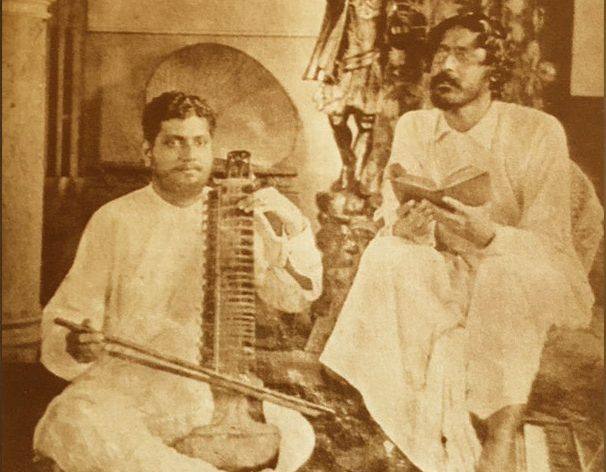
Tagore was not only a prolific writer but also a gifted musician who composed over 2,000 songs in Bengali, known as Rabindra Sangeet. His songs are deeply rooted in the Sanatana tradition and celebrate the beauty of nature, the joys of life, and the search for the divine.
Tagore’s music has had a profound impact on Indian music and culture, and his songs are still widely sung and enjoyed today. Here is a quote from one of Tagore’s famous songs in Bengali:
“জীবন জদি নদী হতে দাও, শরীর জদি বাতাস হতে দাও।”
(Transliteration: Jibon jodi nodi hote dao, shorir jodi batash hote dao.)
(Translation: If life is a river, let it flow; if the body is the wind, let it blow.)
This quote reflects Tagore’s emphasis on the fluidity and impermanence of life and the need to embrace change and flow with the rhythms of nature.
Art

Tagore was also a gifted artist who painted over 2,000 paintings in his lifetime. His art was deeply influenced by the Sanatana tradition and featured themes of nature, spirituality, and humanism.
Tagore’s art is characterized by its simplicity and spontaneity and reflects his deep connection to nature and the divine. Here is a quote from Tagore’s art in Bengali:
“প্রকৃতি হলো আমার মাতা, আমি তাকে জানি মাতার ছায়া পেয়ে বড় হই।”
(Transliteration: Prokriti holo amar mata, ami take jani mater chhaya peye boro hai.)
(Translation: Nature is my mother, and I grow up in her shadow.)
This quote reflects Tagore’s deep reverence for nature and his belief in the interconnectedness of all creation.
A few well known art pieces from Tagore are:


Social Activism

Tagore was not only a literary and cultural figure but also a social activist who worked tirelessly for the betterment of society. He was a vocal critic of British colonialism and worked towards the upliftment of the poor and marginalized.
Tagore founded the Visva-Bharati University in Santiniketan, West Bengal, as a center for art, culture, and education. The university was based on the principles of humanism, universalism, and spirituality, and aimed to create a harmonious and inclusive society.
Here is a quote from one of Tagore’s speeches at the inauguration of Visva-Bharati University:
“সন্তিনিকেতন ছিল অভিনব একটি বিদ্যালয়, যেখানে বিভিন্ন দেশের শিক্ষার্থীরা একসঙ্গে মেলে পরস্পরের ভাষা শেখে দুঃখ হতে পারে না। তাই সেখানে আমরা সাধারণ ভাষায় কথা বলতে চাই।”
(Transliteration: Santiniketan chhilo abhinav ekta bidyalay, jekhane bibhinno desher shiksharthiraa eksonge mele porashporer bhasha shekhe dukh hote parbe na. Tai sekhane amra sadharan bhashay kotha borte chai.)
(Translation: Santiniketan is a unique university where students from different countries could come together and learn each other’s languages without feeling any sorrow. That’s why we wanted to speak in a common language there.)
This quote reflects Tagore’s vision of creating a global community of learners who could come together and share their knowledge and cultures.
Philosophy
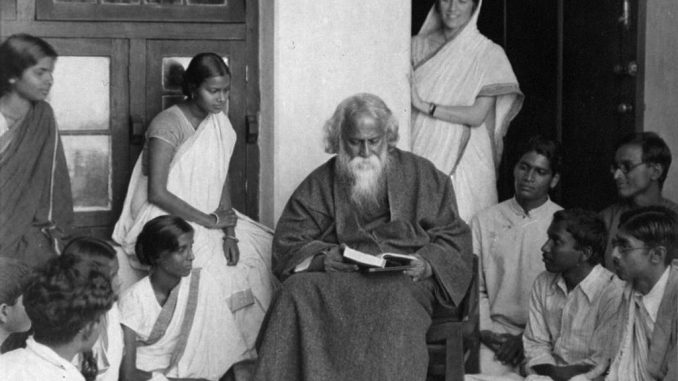
Tagore’s philosophy was deeply rooted in the Sanatana tradition and emphasized the interconnectedness of all creation. He believed in the unity of humanity and the need for universal brotherhood.
Tagore’s philosophy was also deeply spiritual and emphasized the importance of individual growth and self-realization. Here is a quote from one of Tagore’s essays in Bengali:
“তোমার স্বপ্ন বৃক্ষ তোমার চেতনা পশু নয়। মানুষ হও, জাগো ও সেদিন আস্তে বস্তে হাজার জন্ম প্রতীক্ষা করেছিল।”
(Transliteration: Tomar swapno briksho tomar chetana pashu noy. Manush hao, jago o sedin aste boste hajar jonmo protiksha korechhil.)
(Translation: Your dreams are not trees, and your consciousness is not an animal. Be human, and wake up; you have been waiting for a thousand births.)
This quote reflects Tagore’s belief in the potential of human beings to achieve spiritual growth and self-realization.
Conclusion
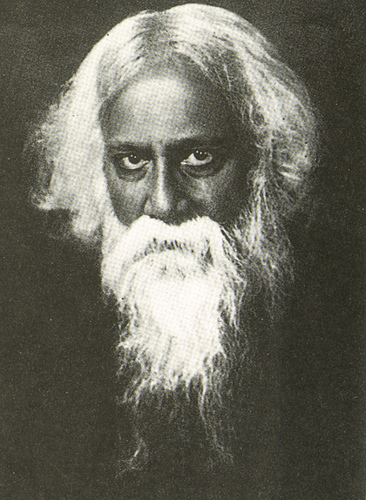
Rabindranath Tagore was a towering figure in Indian culture and literature who made significant contributions to the fields of poetry, music, art, social activism, and philosophy. His works reflect his deep reverence for the Sanatana tradition and his commitment to social justice, humanism, and universalism. His legacy continues to inspire and influence generations of Indians and people around the world.