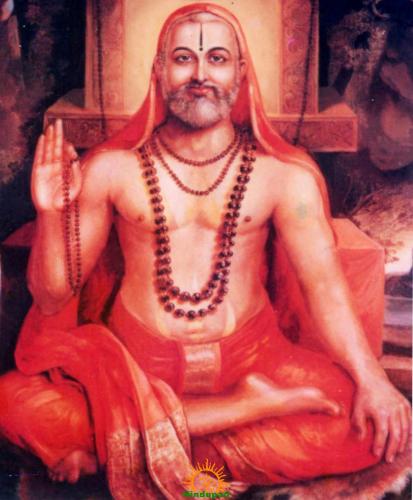
A pioneering figure stands at the confluence of conservation science and Sikh heritage stewardship, demonstrating how evidence-based environmental practice can safeguard living traditions. The work integrates rigorous field methods with cultural sensitivity, ensuring that natural ecosystems and sacred spaces are protected together. This synthesis shows that environmental conservation and heritage conservation are mutually reinforcing, particularly across the Punjab landscape where rivers, sarovars, and Gurdwaras form a single cultural-ecological whole.
In conservation science, the approach centers on data-driven restoration of water bodies, biodiversity corridors, and agrarian commons. Techniques include ecological baseline surveys, GIS mapping of watershed health, and community monitoring of biodiversity indicators. By linking habitat resilience to community livelihoods, the model sustains both the environment and the people who depend on it, translating scientific assessment into pragmatic, local stewardship.
As a custodian of Sikh heritage, the work spans documentation, conservation, and ethical care of tangible and intangible patrimony. Attention extends to Gurdwara architecture, sarovar maintenance, and archival safeguarding of janamsakhi traditions, Gurbani birs, and historic pothis, always within maryada-led protocols. Intangible heritagekirtan, langar, seva, and gatkareceives equal emphasis through oral history recording, performance documentation, and intergenerational transmission.
Methodologically, the practice aligns laboratory standards with community wisdom. Material conservation employs condition assessments, non-invasive diagnostics, and compatible conservation-grade materials; cultural documentation engages granthis, raagis, artisans, and local committees. Risk preparednesscovering fire, flood, pests, and digital obsolescenceis integrated through redundancy, off-site backups, and training in preventive conservation.
The ethical foundation resonates across dharmic traditions. Sikh principles of seva and sarbat da bhala converge with the Jain emphasis on ahimsa and aparigraha, the Buddhist cultivation of maitri and mindfulness, and the Hindu ethos of dharma and stewardship. This shared vocabulary of care enables collaborative protection of sacred landscapes, manuscripts, and ritual practices, strengthening unity in diversity and advancing a common civilizational responsibility.
Community engagement remains central. Youth learning circles, women-led stewardship groups, and diaspora partnerships anchor projects in lived experience. Training modules on preventive conservation, documentation standards, and eco-restoration practices convert visitors into contributors, so sangat becomes the enduring custodian of both nature and culture.
The emotional texture of heritage is honored alongside scientific rigor. Many recognize the quiet resonance of Gurbani at dawn, the warmth of langar shared without distinction, and the cooling stones around a sarovar after summer heat. By foregrounding these sensory encounters, the work strengthens the bond between people and place, translating reverence into sustained care.
Institutionally, the framework aligns with national heritage norms and international best practices while remaining rooted in local governance through gurdwara management committees and community trusts. Documentation standards, open metadata, and ethical access policies enhance transparency and scholarship. Environmental safeguardsrainwater harvesting, local species planting, and low-impact materialsensure resilience in the face of climate stress.
Outcomes include restored sarovars that improve water quality, catalogued collections that reduce loss risk, and revitalized festivals that strengthen social cohesion. From Amritsar to Anandpur Sahib, replicable toolkits support balanced care for sites where ecology and devotion intersect. The measurable gainscleaner water, stabilized artifacts, trained volunteersdemonstrate that conservation science and Sikh heritage stewardship thrive best together.
By articulating a clear, community-first blueprint that unites environmental conservation with cultural heritage, this work offers a pathway other dharmic communities can readily adapt. The model affirms that when science collaborates with seva, living traditions endure, ecosystems recover, and a shared civilizational future becomes more resilient and more compassionate.
Inspired by this post on SikhNet – News.