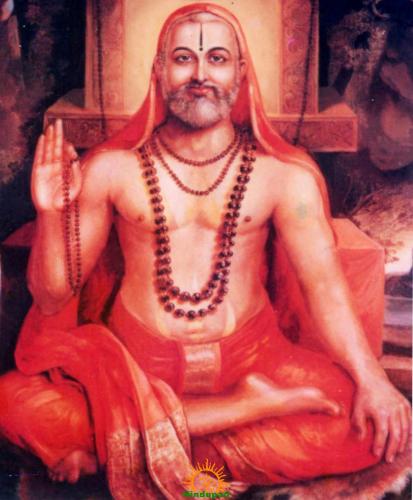
Guru Har Rai Ji stands in Sikh history as an exemplar of compassionate leadership, where spiritual insight is inseparable from public service. The phrase “Gurbani Will Melt Into Wisdom” captures this inner alchemy: recitation and contemplation gradually soften the heart and refine the intellect until understanding naturally crystallizes into ethical action.
Historical narratives consistently highlight his care for animals, the cultivation of fruit trees, and the development of herbal gardens and dispensaries that supported community health. These were not symbolic gestures; they formed an integrated framework of seva, ecological stewardship, and practical healing that advanced well-being for all.
Such commitments resonate across the broader dharmic traditions. The care for life reflects ahimsa in Jainism, karuṇā in Buddhism, and the principles of daya, dharma, and seva central to both Hindu and Sikh thought. In this shared ethical landscape, compassion becomes a unifying force, strengthening bonds among Hinduism, Buddhism, Jainism, and Sikhism.
In practical terms, this vision frames spirituality as disciplined care for community and nature. Planting orchards, protecting animals, and cultivating medicinal herbs embody an applied philosophy in which inner devotion aligns seamlessly with outward responsibility.
The transformative power of Gurbani emerges when recitation matures into reflection, and reflection becomes habit. As comprehension deepens, kindness shifts from isolated acts to stable disposition; wisdom is recognized in consistent, everyday service to people, animals, and the environment.
For contemporary societies facing social fragmentation and ecological stress, this paradigm offers a proven path forward. Community clinics, sustainable gardens, and compassionate outreach embody a holistic spirituality that honors all beings and transcends sectarian boundaries, fostering unity in diversity and religious pluralism.
Viewed in this light, Guru Har Rai Ji’s legacy is more than biography; it is methodology. When devotion flows into action, “Gurbani Will Melt Into Wisdom”a living synthesis of knowledge and compassion that invites the dharmic family to walk together in seva, harmony, and shared purpose.
Inspired by this post on SikhNet – Children Stories.