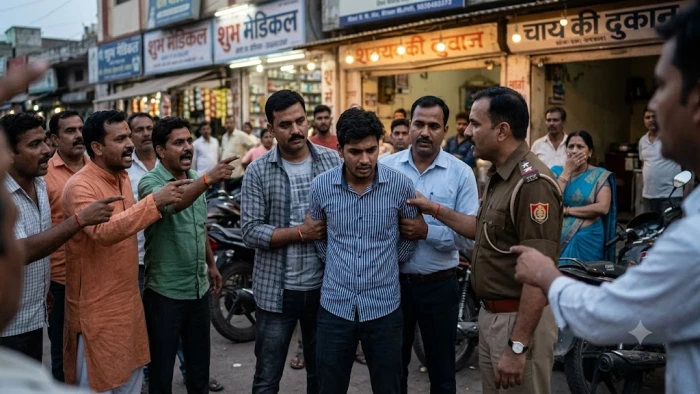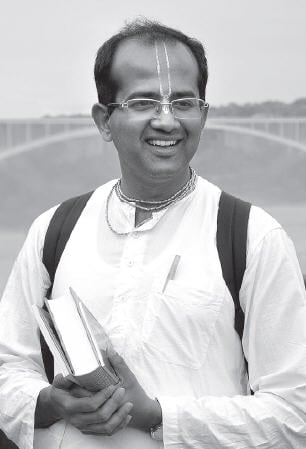
At first encounter, the refusal of money felt like a personal slight. In a swift, defensive gesture, the book was taken, pushed into a briefcase, and the moment ended without a word of thanks. The resolve that followed was sharpened by pride: read the text, uncover its flaws, and confront any shaven-headed devotees encountered in the future.
With distance from the moment, the emotional undertow became clearer. The reactionabrupt, ungracious, and tinged with indignationrevealed more about inner restlessness than about the one who offered the book without expectation. Pride had spoken first; curiosity trailed behind.
Reading began as a contest. Yet, as pages turned, a shift emerged: the text did not shout demands; it invited reflection. Instead of weapons for debate, there appeared questions about meaning, duty, and humility central to Dharma. What had seemed like a challenge to autonomy began to look like a mirror turned inward.
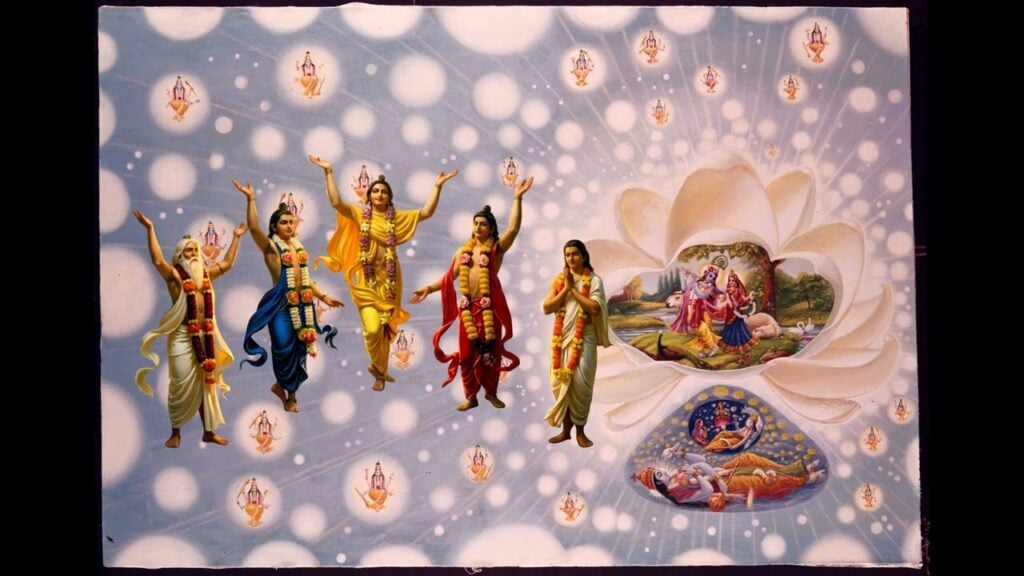
The initial intentto find faultsoftened into a disciplined inquiry. Concepts associated with the Bhakti Tradition emphasized devotion without coercion, inquiry without hostility, and transformation through practice rather than argument. The experience reframed encounters with saffron-clad, shaven-headed devotees often linked in public imagination with kirtan movements such as ISKCON: not as adversaries, but as practitioners walking a rigorous path.
Gradually, reverence for the Guru–Shishya Relationship took form, not as blind submission, but as guidance that refines character. Seva (selfless service) and svadhyaya (self-study) replaced defensiveness with steadiness. The path toward initiation (diksha) felt less like capitulation and more like clarityan alignment of intent, practice, and purpose.
This evolution resonates across the shared ethical core of Hinduism, Buddhism, Jainism, and Sikhism. Humility, non-violence, discipline, and compassion form a common grammar of spiritual life. Unity in spiritual diversity is not an abstraction; it is practiced each time pride yields to listening, and suspicion gives way to understanding.
What began as a sneer matured into respect. A single encounter challenged ego, expanded empathy, and redirected energy from argument to practice. The book that was once a prop for debate became a companion for transformation, reminding that devotion and reason can travel together under the wide canopy of Dharma.
In this light, the journey from passerby to disciplined seeker illustrates a simple, enduring insight: when engagement replaces judgment, Bhakti becomes lived reality, and spiritual communitieswhether inspired by ISKCON or other dharmic traditionsbecome bridges rather than borders.
Inspired by this post on Dandavats.