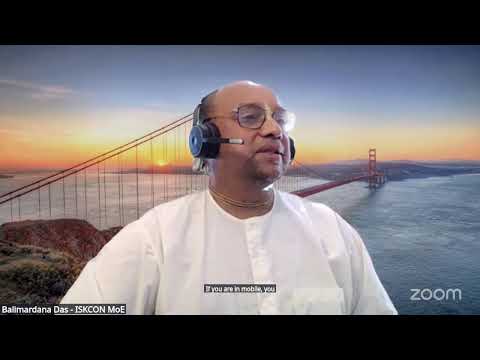
On October 7–9, 2025, Hindu prayers opened the City Council meetings of Burley, Arimo, and St. Anthony in Idaho, marking a documented first in the recorded civic history of these municipalities. The invocations included verses from the world’s oldest extant scripture, bringing Vedic mantras into the heart of local governance and setting a reflective tone for deliberations.
This moment, reportedly the first such Hindu invocation since the cities were incorporatedBurley in 1909, Arimo in 1923, and St. Anthony in 1908signals a meaningful step toward interfaith respect and civic inclusion in the United States. It underscores the principle of Unity in Diversity and affirms that religious harmony can enrich public institutions without privileging any single path.
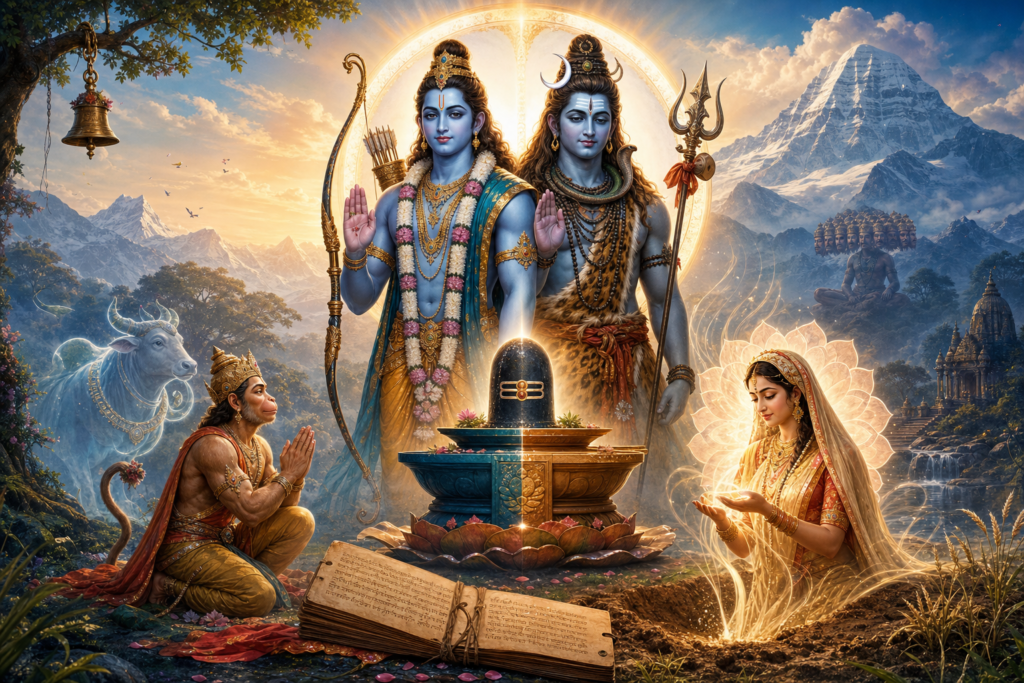
The recitations emphasized universal values commonly found across dharmic traditionspeace, compassion, selfless service, and the well-being of all residents. By centering themes of sabhyata (civic-mindedness) and seva (service), the prayers aligned naturally with the responsibilities and aspirations of municipal governance.
A distinguished Hindu statesman led the invocations, offering a non-sectarian message that resonated with council members and attendees. The language of the mantras, while rooted in Sanatana Dharma, invited shared reflection across communities and affirmed a public ethic of cooperation and mutual respect.
For many residents, hearing Vedic mantras in a civic space offered a contemplative calm and a renewed sense of belonging. Such inclusive moments demonstrate that Hindus, Buddhists, Jains, Sikhs, and people of other faiths or none can find common civic ground through shared values of peace, responsibility, and dialogue. Experiences like this strengthen social cohesion and normalize interfaith presence in American public life.
In Idaho’s evolving cultural landscape, these first-time invocations also reflect the growing engagement of the Hindu American Community in local institutions. They contribute to a broader national trend in which city councils, school boards, and state legislatures acknowledge the plural character of their constituencies.
Events of this kind advance unity among dharmic traditions by highlighting their overlapping commitments to ahimsa (non-violence), dharma (ethical duty), and community welfare. As municipal bodies continue to welcome diverse opening prayers, they model respectful inclusion that supports Religious harmony and strengthens democratic culture.
The Idaho proceedings illustrate how thoughtful, non-proselytizing invocations can enhance civic deliberation. By beginning with a call to shared values, councils set a tone for constructive decision-makingan approach other municipalities across the United States may find both practical and inspiring.
Inspired by this post on Hindu Pad.