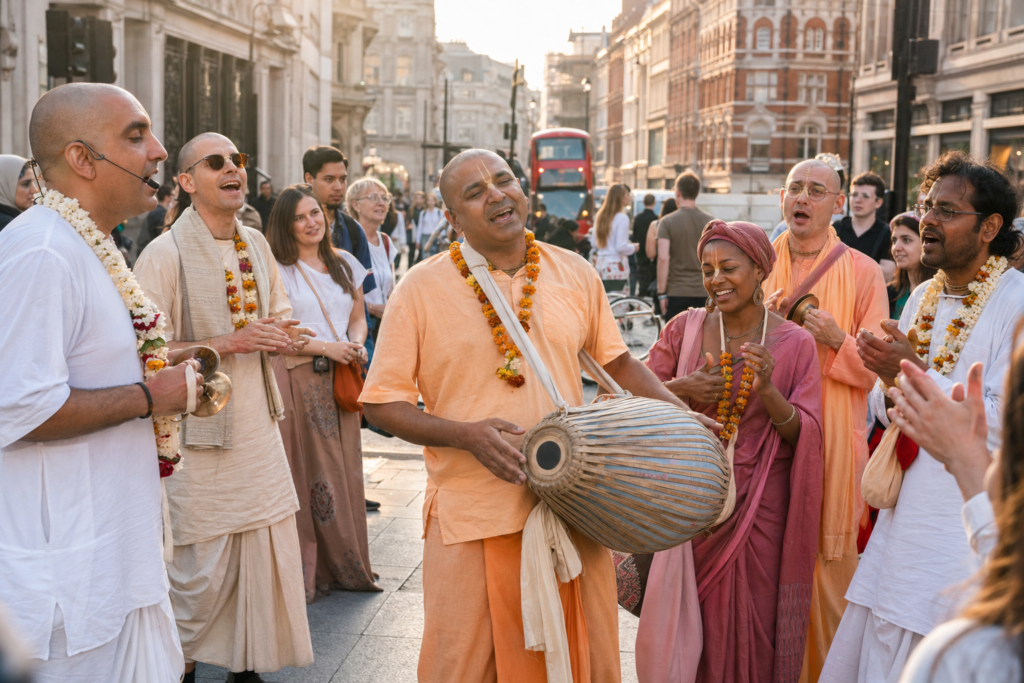
The Ramayana, among the most influential epic narratives in South Asia, lives not only in the Valmiki Ramayana but also in a constellation of folk Ramayanas across the Indian subcontinent and Southeast Asia. These oral and performative traditionssung in village squares, enacted on temple stages, and animated in wayang kulitdeliberately soften the boundary between dharma and adharma. Rather than flattening characters into heroes and villains, folk retellings humanize motives, invite ethical reflection, and foreground the complexity of choice. This moral plurality strengthens cultural continuity while fostering empathy across diverse dharmic communities.
Several features of the folk ecology explain this sympathy for both virtue and transgression. Oral storytelling adapts fluidly to context; performers calibrate plot, emphasis, and rasa to audience mood and social need. Aesthetic theory prizes the harmonizing of rasasveera, karuna, raudra, shantaso storytellers enrich antagonists to deepen pathos and insight. Folk Ramayanas also treat dharma as context-sensitive rather than rigid, prompting audiences to reflect on intention (shraddha), consequence (phala), and proportion (maryada) rather than on labels of good and evil. The result is an ethical pedagogy that is participatory, dialogic, and compassionate.
Character re-readings illustrate this approach. Ravana often appears as a learned ruler and Shiva-bhakta whose brilliance coexists with fatal pride. Kaikeyi’s decision is framed not as simple malice but as fear, courtly pressure, and maternal protectiveness. Surpanakha’s humiliation is recounted with attention to wounded dignity, shifting the audience from derision to empathy. Vali’s confrontation with Rama becomes a philosophical debate on justice and sovereignty. Across these scenes, sympathy is not a license for wrongdoing; it is a narrative method to probe moral causality and responsibility.
Regional traditions underscore the breadth of this pluralism. In Tamil landscapes, the Kamba Ramayanam amplifies psychological nuance and poetic intensity; Maharashtrian bhakti renderings such as the Bhavartha Ramayan heighten devotion; Adhyatma Ramayana interiorizes the narrative to highlight the atman’s journey. Folk and Adivasi Ramayanas among Gond and Bhili communities embed the story in local ecology and kinship, sometimes depicting Ravana as kin or cultural ancestor, thereby addressing community values of loyalty, land, and reciprocity.
Across Southeast Asia, the Thai Ramakien, Cambodian Reamker, Javanese and Balinese wayang kulit (where Rahwana is complex rather than caricatured), and the Malay Hikayat Seri Rama adapt the epic to indigenous aesthetics and statecraft. These versions embrace ethical ambiguity to sustain social cohesion, ritual power, and cultural identity. Their sympathy for antagonists is not moral relativism; it is a narrative strategy that turns the epic into a mirror for political prudence, family obligations, and spiritual aspiration.
Plural Ramayanas also resonate across dharmic traditions. The Jain Paumacariya reimagines the story through the lens of ahimsa and self-restraint, reframing violence and valor as moral questions rather than spectacle. The Buddhist Dasaratha Jataka highlights compassion, impermanence, and renunciation as the center of kingship and kinship. In Sikh sabad, the name “Ram” evokes the all-pervading Divine, emphasizing virtues over literal narrative allegiance. Together, these strands affirm a shared civilizational ethic: compassion, self-mastery, truthfulness, and servicevalues that bind Hinduism, Buddhism, Jainism, and Sikhism without erasing their distinct paths.
Folk Ramayanas remain compelling because they address lived dilemmas. Listeners often recognize themselves in Vali’s grievance, Kaikeyi’s anxiety, or even Ravana’s hubris, and that recognition softens judgment without condoning harm. By portraying antagonists as educative foils rather than permanent enemies, the tradition promotes non-demonization, community dialogue, and introspection. The narrative becomes a civic classroomwhere the costs of anger, the burden of vows, and the weight of forgiveness are considered in common.
In contemporary societies marked by polarization, this moral spaciousness is instructive. Classroom discussions, neighborhood katha, and festival performances that showcase plural Ramayanas tend to cultivate empathy, critical inquiry, and intercultural understanding. Such practices also support cultural preservation, ensuring that oral archives, local languages, and ritual artsYakshagana, Koodiyattam, Pandavani, and wayangcontinue to transmit both wisdom and wonder.
Ultimately, the sympathy found in folk Ramayanas does not dilute dharma; it deepens it. By exploring intention, consequence, and compassion across all characters, these retellings model a dharma that is at once principled and humane. They remind audiences that unity in diversity is not a slogan but a methodof seeing the other fully, of listening across difference, and of choosing rightly with humility.
Inspired by this post on Hindu Blog.