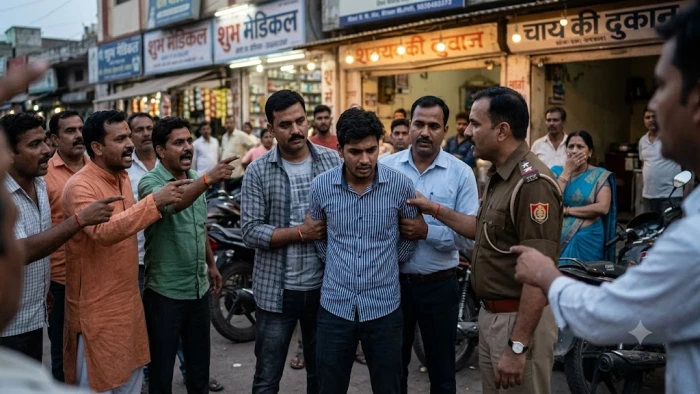
Jagtar Singh Cheema’s testimony from Meerut offers a powerful account of interfaith solidarity during the 1984 Sikh riots. He recalls how Ashok, Ram, and his landlord Pandit Nevla PrashadHindu neighboursstood by his family and took care of them when fear and uncertainty overwhelmed the city. This remembrance underscores how ordinary citizens can become extraordinary guardians of humanity in moments of communal violence.
Set against the broader history of the 1984 Sikh riots, this episode from Meerut highlights a vital countercurrent: compassion, courage, and neighbourly duty that transcended communal lines. Such lived experiences enrich the historical record of India’s social fabric by foregrounding communal harmony and interfaith cooperation at a time when division appeared ascendant.
According to Cheema, the support provided by Ashok, Ram, and Pandit Nevla Prashad ensured his family’s safety and dignity amid chaos. Acts of protection and carequiet, decisive, and humanedemonstrate how bonds of trust and reciprocity can endure under extreme pressure. These memories remain indelible precisely because they reveal the moral strength of everyday people.
The ethical impulse visible in this account resonates across dharmic traditions: Sikh seva (selfless service), Hindu dharma (righteous duty), Buddhist karuṇā (compassion), and Jain ahiṁsā (non-violence). Together, these shared values cultivate interfaith solidarity and communal harmony. Remembering such deeds is not merely an act of gratitude; it is a pedagogical resource for building social cohesion in contemporary India.
Cheema further stated that his family later received compensation worth Rs 2 lakh during the Congress regime. While monetary relief cannot erase personal trauma, it acknowledges loss and affirms the responsibility of institutions to support victims. Documenting both community-led protection and formal restitution provides a fuller picture of response and recovery.
For students, community leaders, and policymakers, this narrative offers actionable insight: cultivate neighbourhood trust, invest in interfaith dialogue, and prioritize community safety nets to mitigate the impact of future crises. By centering stories of shared humanity, society strengthens its capacity for peacebuilding and conflict transformation.
Ultimately, memories like these function as a moral compass. Honouring those who protected a vulnerable family in Meerut invites renewed commitment to unity in diversityan ethic vital to India’s history and future. Such remembrance transforms pain into purpose and helps ensure that the values of mutual care and respect continue to guide civic life.
Inspired by this post on Struggle for Hindu Existence.