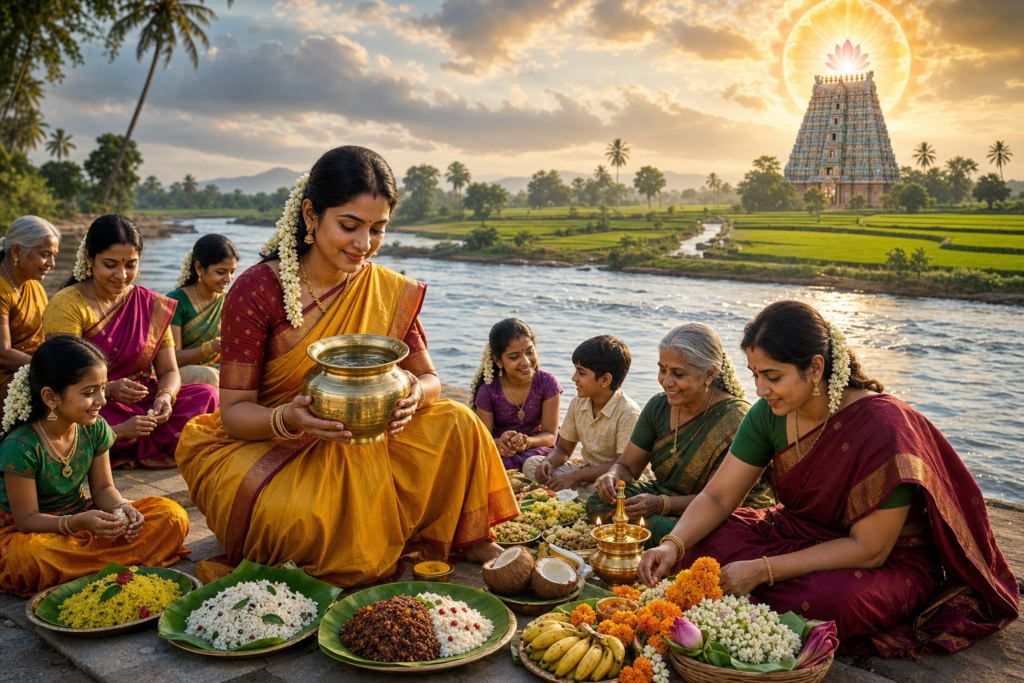
At the Dipavali Milan in Kota, Hindu Janajagruti Samiti (HJS) representative Anand Jakhotia underscored a clear priority: youth must be introduced to the scientific and practical dimensions of Sanatan Dharma. The emphasis placed the festival gathering in a broader civic context, framing cultural celebration as an opportunity to strengthen values-based education, social responsibility, and community cohesion.
The rationale is straightforward. Contemporary learners are shaped by inquiry, hands-on engagement, and demonstrable outcomes. Sanatan Dharma offers robust pathways that meet these expectations through ethical frameworks (dharma), evidence-aligned well-being practices (such as yoga, meditation, and breathwork), and civic virtues like seva (service) and satya (truthfulness). Presented with clarity and academic rigor, these strands help youth connect timeless wisdom to everyday decision-making, health, leadership, and public-mindedness.
Equally significant is the message of unity across dharmic traditions. The practical and scientific spirit found in Hinduism, Buddhism, Jainism, and Sikhism converges on shared principles such as ahimsa, self-discipline, reflection, and social harmony. Positioning Sanatan Dharma’s insights within this wider dharmic tapestry fosters mutual respect, builds interfaith understanding, and equips youth to see common ground as a strength rather than a boundary.
To translate this vision into action, communities can implement structured, youth-centered initiatives. Suggested steps include interdisciplinary workshops on logical reasoning (drawing from Nyaya), environmental stewardship rooted in prakriti consciousness, and evidence-aligned well-being modules highlighting yoga and mindfulness. Heritage literacy programs can introduce foundational texts through annotated translations and guided discussions, while digital learning hubs, mentorship networks, and school–temple–community collaborations can extend reach. Such formats enable measurable learning outcomes and sustained engagement.
Events like Dipavali Milan create rare intergenerational spaces where cultural memory and civic purpose reinforce one another. Youth leadership roles at such gatheringscurating discussions, moderating panels, or designing service projectsbuild confidence, cultivate empathy, and connect personal growth to community welfare. In this setting, the appeal to Sanatan Dharma’s scientific and practical aspects becomes not only persuasive but also immediately relevant.
Viewed through an academic and societal lens, the call articulated in Kota aligns with the broader objective of nurturing informed, ethical, and collaborative citizens. By presenting Sanatan Dharma as a living knowledge traditionrooted in inquiry, applicable in daily life, and harmonious with the wider dharmic familythe community can inspire young minds to pursue excellence with integrity, compassion, and unity.
Inspired by this post on Hindu Jagruti Samiti.