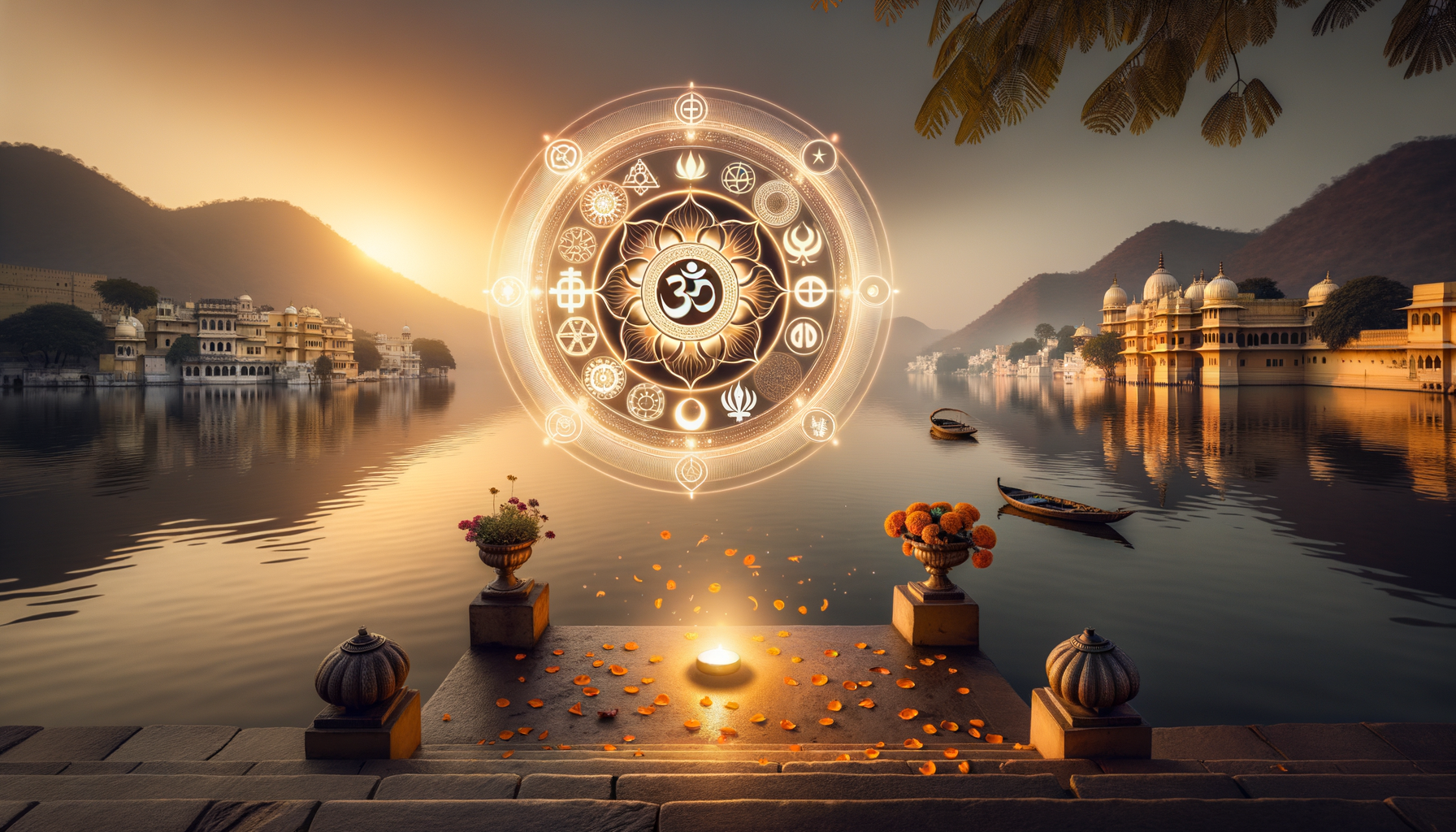
In Udaipur on Dec 09, 2025, Mahant Mukesh Nath Maharaj delivered a reflective address affirming the enduring relevance of Hindutva as the living articulation of Sanatan Dharma. The message emphasized that, when understood as civilizational ethics, Hindutva expresses the Hindu way of life through dharma, ahimsa, karuna, and sevaprinciples that guide personal conduct, social harmony, and cultural stewardship.
Framed in this inclusive sense, Hindutva was presented not as a partisan label but as a broad cultural ethos that sustains India’s Cultural Heritage while encouraging openness to dialogue and thoughtful reform. The formulation placed Sanatan Dharma at the center of ethical inquiry and lived practice, linking scriptural wisdom with contemporary responsibilities in education, community service, and ecological balance.
At the heart of the address was dharmic unity: Hinduism, Buddhism, Jainism, and Sikhism were acknowledged as sharing a moral grammar of non-violence, truthfulness, service, and inner discipline. This shared inheritance, long visible in religious pluralism in India, was highlighted as a practical pathway to interfaith harmony and social trust, affirming Unity in Diversity as a civilizational strength rather than a slogan.
Connecting timeless principles to everyday life, the address showed how household rituals, mindful living, and community initiatives naturally reinforce cultural continuity. Attendees noted that practices such as satsang, meditation, langar, and anna-dāna cultivate empathy across communities and generations, making abstract ideals of Sanatan Dharma tangible through daily habits and shared festivals.
Historical continuity was traced from the Upanishads and Puranas to the present, underscoring how the acceptance of diverse Ishta has preserved spiritual freedom while nurturing civic harmony. The address argued that this plural framework allows distinct paths to flourish without erasing difference, offering a grounded model for interreligious respect and social cohesion.
Three practical takeaways emerged. First, deepen ethical education that integrates scriptural insight with critical, scientific inquiry. Second, expand seva that invites participation from multiple traditions to address common needshealth, education, and environment. Third, celebrate festivals as shared cultural touchpoints that renew bonds, transmit values, and strengthen the Hindu culture ethos of inclusion.
By reiterating that Hindutva is eternal when understood as Sanatan values in action, the address invited a calm and confident posture: protect heritage without exclusion, practice responsibility without coercion, and translate sathya and karuna into daily choices. In this vision, Sanatan Dharma serves as a unifying compass for Dharmic Traditions, aligning personal growth with social harmony and ensuring that India’s civilizational wisdom remains constructive, compassionate, and future-facing.
Inspired by this post on Struggle for Hindu Existence.