
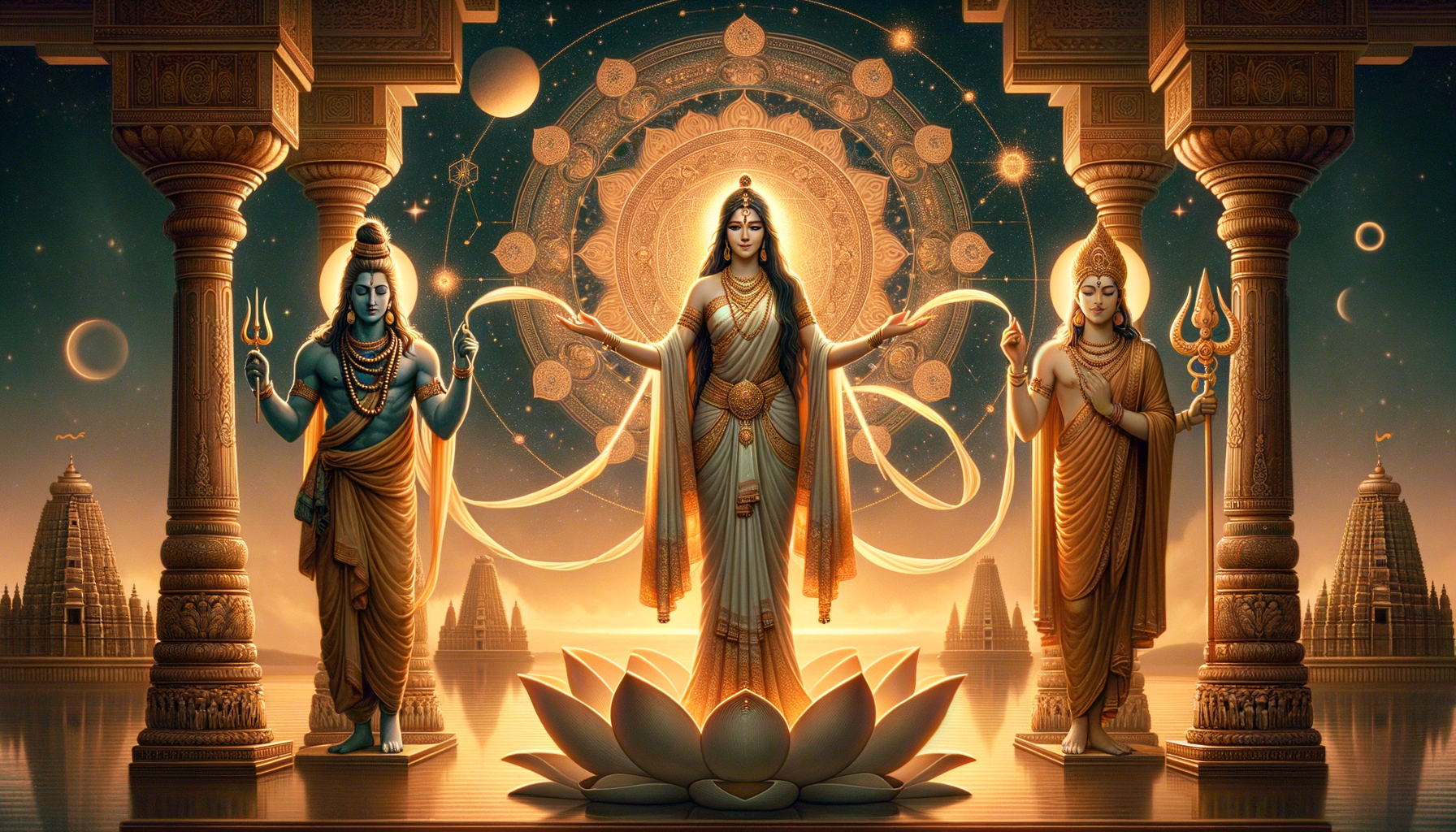
Shanta Durga, revered as the Goddess of Universal Peace, is celebrated for mediating the legendary conflict between Vishnu, the preserver, and Shiva, the transformer. The narrative, treasured across Hindu storytelling traditions, frames her as the compassionate center that restores balance when cosmic forces fall into discord. As a symbol, Shanta Durga embodies the promise that harmony is achievable when strength is guided by wisdom and compassion.
The cosmic conflict, described as a fierce battle between Hari and Hara, unsettled the very order of existence. When the two supreme lords engaged in combat, the devas feared an irreversible fracture in the rhythm of creation. The episode is not merely a tale of power; it is a philosophical vignette about the dangers of polarization and the necessity of reconciliation within the dharmic cosmos.
At this critical juncture, the Divine Mother manifested as Shanta Durga. With calm resolve, she intervened as a mediator, gently guiding Vishnu and Shiva away from confrontation toward concord. Iconography at the Shantadurga Temple in Goa preserves this memory: the Goddess is often visualized as holding or balancing the two deities, an image that distills the essence of her rolerestoring equilibrium through peace. The legend affirms that cosmic order flourishes when preservation (Vishnu) and transformation (Shiva) are harmonized by compassionate intelligence (Durga).
Read in an academic frame, the narrative communicates a layered symbolism. It suggests that dharma is not a static decree but a dynamic balance among legitimate, interdependent principles. Preservation without transformation risks stagnation; transformation without preservation risks rupture. Shanta Durga’s intervention articulates a middle path in which both impulses are coordinated, a model consistent with the pluralistic spirit of Hindu philosophy and practice.
The story’s cultural life extends well beyond scripture and temple walls. In many households, elders narrate the legend as an ethical guide for resolving disputes with patience and empathy. During festivals and family gatherings, devotees recall Shanta Durga’s shantiher tranquil poweras an exemplar for moderating strong emotions and bridging differences. The tale thus serves as both theological reflection and everyday counsel.
Its resonance also spans the wider dharmic universe. The ethos of gentle reconciliation aligns with ahimsa and aparigraha in Jain traditions, karuṇā and upāya in Buddhist teachings, and daya and santokh in Sikh wisdom. In this sense, Shanta Durga’s mediation can be appreciated as a shared civilizational valuean affirmation of unity in diversity that encourages harmonious living while honoring distinct spiritual paths.
Contemporarily, the legend offers an instructive paradigm for conflict resolution in families, communities, and institutions. It encourages a method rooted in attentive listening, principled compromise, and a commitment to higher purpose beyond partisanship. By centering compassion without abandoning responsibility, the Shanta Durga model reframes disagreement as an opportunity to renew collective balance.
Ultimately, the narrative of Shanta Durga restoring peace between Shiva and Vishnu is less about hierarchy and more about interdependence. It invites reflection on how enduring harmony arises when diverse strengths cooperate. As devotees, scholars, and communities revisit this story, they encounter a timeless lesson: peace is not passive; it is a disciplined act of alignment that sustains cosmic and social order alike.
Inspired by this post on Hindu Blog.










