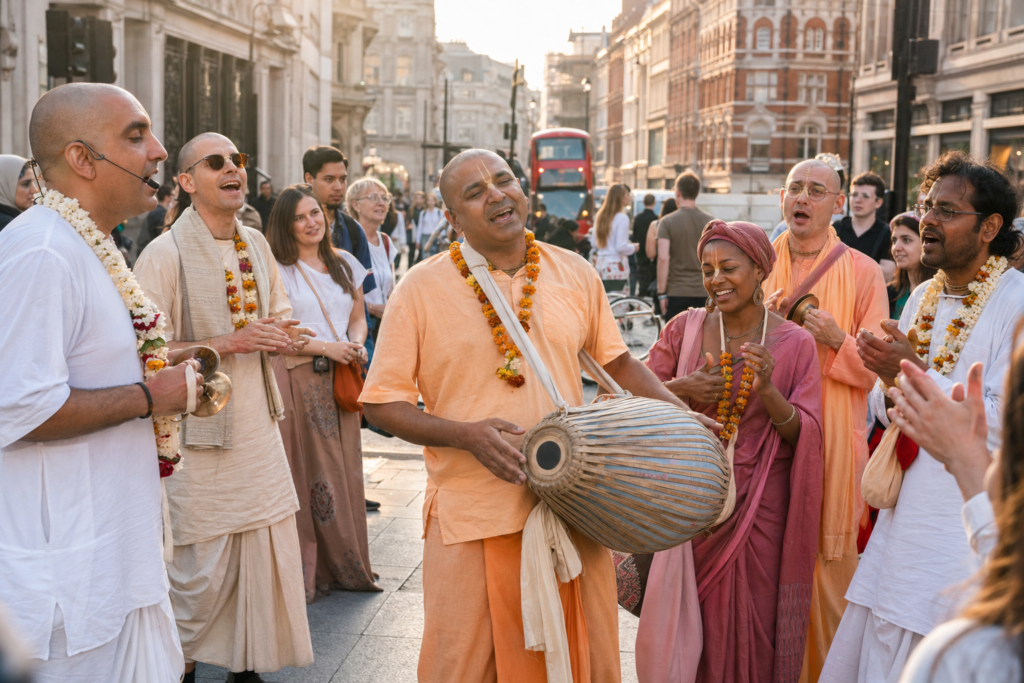
In Mapusa, community groups have called for prioritising local families in operating stalls and small businesses at the Shri Bodgeshwar Jatrotsav, citing tradition, livelihoods, and security concerns. The discussion highlights a shared intent: to safeguard cultural heritage while ensuring the festival remains welcoming, orderly, and economically meaningful for residents.
Shri Bodgeshwar Jatrotsav is widely experienced as a living tradition rather than a mere event. Many locals recall growing up amid the bustle of temporary bazaars, devotional offerings, and food stalls that stitched together neighbourhoods through shared service and commerce. These lived memories, passed across generations, form the emotional core of the call to protect the festival’s character and the livelihoods rooted in it.
Livelihoods remain central. Small vendorsoften family-rundepend on the festival season to balance yearly earnings. A preference for local participation, embedded in long-standing custom, can strengthen the community’s economy. At the same time, a constructive way forward is to encourage respectful participation from dharmic communitiesHindu, Buddhist, Jain, and Sikhunder clear, transparent guidelines that preserve the festival’s ethos while fostering unity.
Security concerns, raised in good faith, can be addressed through measured, non-discriminatory protocols. Practical steps include pre-registration and verification of stall operators, crowd-flow design, emergency response drills, and community security committees working alongside local authorities. These measures improve safety for devotees and visitors without diluting cultural practices or creating unnecessary barriers.
A dharmic-unity model aligns tradition with inclusion. First preference can be offered to local families with a demonstrated festival legacy, followed by curated participation from broader dharmic traditions. A shared code of conduct, heritage-sensitive merchandise guidelines, and devotional programming across dharmic strands can elevate the spiritual tone while keeping commerce respectful and community-centered.
Transparent governance strengthens trust. A publicly announced stall-allotment framework, heritage-priority quotas for local artisans and food vendors, grievance redressal cells, and routine safety audits make decisions predictable and fair. Such clarity supports local livelihoods, honours the sanctity of Shri Bodgeshwar Jatrotsav, and encourages visitors to engage with Mapusa’s cultural heritage responsibly.
By balancing tradition, livelihoods, and security with a spirit of dharmic unity, Shri Bodgeshwar Jatrotsav can continue to be a beacon of cultural continuity in Mapusa. This approach preserves the festival’s rooted identity, sustains local economies, and welcomes harmonious participation from Hindu, Buddhist, Jain, and Sikh communitiesstrengthening social cohesion without compromising heritage.
Inspired by this post on Hindu Jagruti Samiti.