In anticipation of Gaura Purnimathe appearance day of Sri Chaitanya Mahaprabhuthis exploration turns to the quiet sanctum of the Gambhira in Jagannath Puri, a space revered for its intimate association with the culminating years of Mahaprabhu’s life. Drawing on the rare Bengali work Gambhiraya Sri Gauranga alongside established Gaudiya Vaishnava sources, the discussion situates the Gambhira within the religious history of Odisha and Bengal, the aesthetics of bhakti, and the living heritage of Jagannath Puri. The aim is to offer readers a clear, well-sourced, and spiritually sensitive account that is both academically grounded and emotionally resonant.
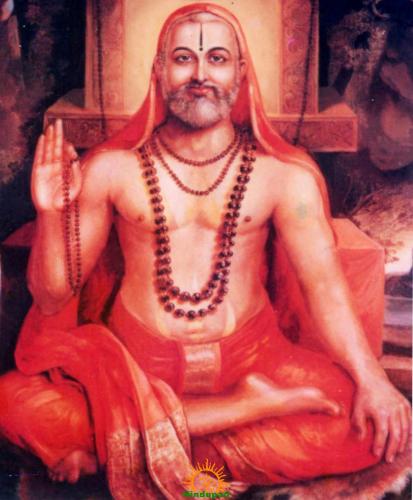
Sri Chaitanya Mahaprabhu (1486–1534), the central figure of Gaudiya Vaishnavism, catalyzed a devotional renaissance through nama-sankirtana (collective chanting of the divine name), humility of conduct, and expansive compassion. His teachings emphasize the transformative power of divine love (prema), articulated through a refined theology of devotion (bhakti-tattva) that values personal spiritual experience while honoring scriptural authority. This inclusive ethoshonoring diverse spiritual temperaments and practicescontributes to unity among dharmic traditions, encouraging harmonious coexistence across Hinduism, Buddhism, Jainism, and Sikhism.
Gaura Purnima, observed on the full moon of Phalguna, commemorates Mahaprabhu’s birth and life-work. Across India and the global diaspora, communities organize sankirtana, discourses, and cultural offerings that foreground love, humility, and service. The festival brings together practitioners from multiple lineages who find convergences in ethical living, contemplative practice, and social harmonyprinciples cherished across the broader dharmic family.
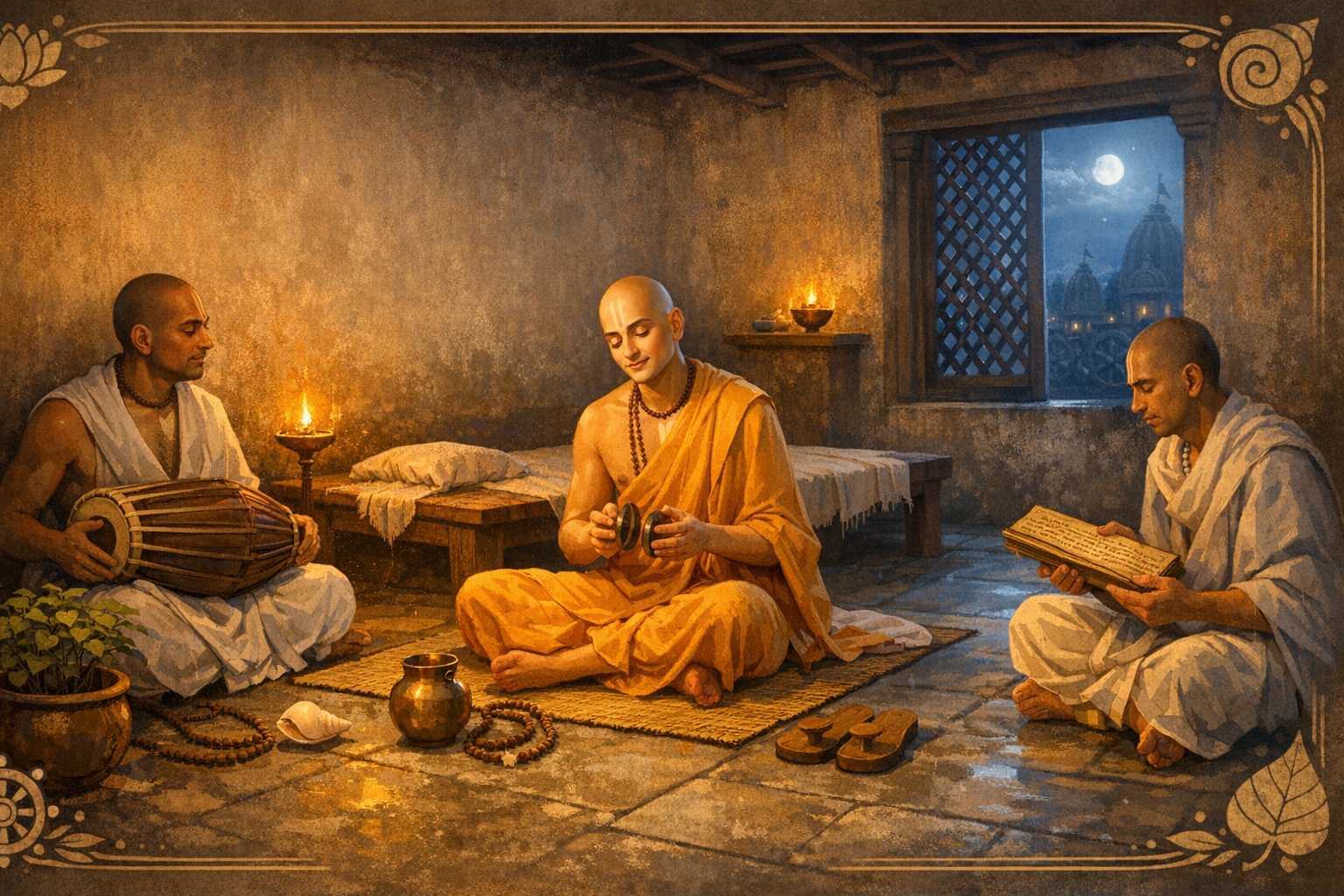
The Gambhirameaning “deep” or “profound”is a small, modest chamber historically linked to Sri Chaitanya’s later years in Puri. Tradition locates it near the residence of Kasi Misra and associates it today with the Radha-Kanta Math. The space is remembered for preserving items connected to Mahaprabhu’s personal worship and daily routine, such as a simple bed, water pot, and footwear, which together narrate an austere devotional life. The room’s low ceiling and narrow entrance, as often described by pilgrims and local custodians, symbolize inwardness and concealment befitting intense contemplative practice.
Historical accounts and devotional biographies record that after extensive travels during the early years of his sannyasa, Sri Chaitanya spent the latter part of his life in Puri. Within that span, the final twelve years are consistently remembered as periods of heightened interiority, largely centered in the Gambhira. The daily rhythm combined temple-based devotion at Puri Srimandir (Jagannath Temple) and intimate nocturnal kirtans, scriptural recitations, and theological dialogues in the Gambhira that nourished the mood of divine longing (viraha-bhava).
Gaudiya Vaishnava literatureespecially Sri Caitanya Caritamrita (Madhya and Antya-lila) and earlier works such as Chaitanya Bhagavatadetails the experiential theology manifest in the Gambhira. Descriptions of the aṣṭa-sāttvika-bhāvas (the eight canonical ecstatic symptoms: stambha, sveda, romāñca, svara-bhaṅga, kampa, vaivarṇya, aśru, pralaya) are presented in a manner that aligns personal experience with the classical aesthetics of devotion (rasa-śāstra). Rupa Goswami’s Bhakti-rasāmṛta-sindhu and Ujjvala-nīlamaṇi would later articulate the categories and grammar of these states, offering a technical framework for what devotees observed in Mahaprabhu’s life.
Two close companionsSvarupa Damodara and Ramananda Rayafeature prominently in the Gambhira’s living memory. Svarupa Damodara is remembered for guiding the cadence of kirtan and for curating poetry suited to Mahaprabhu’s devotional moods, frequently drawing on Vidyapati’s padas and Jayadeva’s Gita Govinda. Ramananda Raya’s earlier theological conversations with Mahaprabhu (Ramananda-samvada) on rasa-tattva and prema matured in Puri into a living pedagogy, where music, poetry, and scriptural reflection entwined to shape an immersive sadhana grounded in devotion, ethics, and aesthetic sensitivity.
The annual Ratha Yatra in Jagannath Puri, described at length in Caitanya Caritamrita (Madhya-lila 13), is integral to understanding the Gambhira’s spiritual atmosphere. Mahaprabhu’s ecstatic dancing before Lord Jagannath and his profound theological exegesisinterpreting the procession as the soul’s longing for the divineresonate with the Gambhira’s interior work of devotion. The Ratha Yatra enacts, in public procession, the same rasa of cherished remembrance and longing cultivated in the Gambhira’s cloistered nights.
The rare Bengali book Gambhiraya Sri Gauranga, though little-known, contributes an intimate layer to this history by drawing attention to local recollections, site-specific practices, and rare artwork that visualize the Gambhira’s nocturnal devotions. Such visual culture, even when devotional and non-photographic in method, functions as an interpretive archivepreserving memory, shaping community imagination, and sustaining continuity between textual tradition and lived practice. Rare illustrations that depict kirtan assemblies, meditative repose, and exchanges of sacred verse add an iconographic dimension to the Gambhira’s heritage.
From the perspective of dharmic unity, the Gambhira’s devotional praxis exemplifies an ethic of compassion, humility, and disciplined inner life with wide inter-traditional resonances. The Sikh practice of kirtan and remembrance (Naam Simran), the Buddhist cultivation of compassion (karuṇā) and mindful absorption, and the Jain commitment to ahiṃsa and inner restraint reflect parallel values of inward refinement and universal goodwill. Without collapsing the distinctiveness of any tradition, the Gambhira narrative underscores a shared civilizational investment in ethical living, contemplative integrity, and social harmony.
Contemporary communities increasingly turn to kirtan as a participatory contemplative art that integrates breath, voice, rhythm, and meaning. The Gambhira shows how such practice, anchored in scriptural study and ethical cultivation, can mature into sustained inner transformation. In public health and cultural-heritage discourse, this synergy of devotion, community music, and moral formation is frequently cited as a protective factor for social cohesion and well-beingfindings that echo the Puri tradition’s longstanding emphasis on shared song, service, and sanctified food (mahaprasad) as bonds of community life.
For visitors to Jagannath Puri whose itineraries include the Gambhira, respectful conduct, modest attire, and attention to local darshan protocols are essential. Many sites in Puri sustain long-standing customs that preserve sanctity for devotees and residents alike. When possible, consulting local guidance on viewing hours and avoiding photography in sensitive spaces supports both preservation and a more contemplative encounter.
Key textual anchors for the Gambhira’s history include Sri Caitanya Caritamrita by Krishnadasa Kaviraja Goswami (particularly Madhya-lila 2, 13; and Antya-lila’s accounts of nocturnal kirtans), Chaitanya Bhagavata by Vrindavan Dasa Thakura, and poetic sources such as Jayadeva’s Gita Govinda and the padas of Vidyapati. These works, read together with regional memory and the interpretive lens of Gaudiya aesthetics, allow a holistic understanding of how place, practice, and theology converge in the Gambhira.
In sum, the Gambhira is more than a historical room; it is a living locus where devotion, literature, music, and theology meet to shape a culture of love and humility. The rare lens of Gambhiraya Sri Gauranga, complemented by canonical Gaudiya texts and the public liturgy of Puri Srimandir, illuminates a tradition that is rigorous in thought and tender in practice. By highlighting values that resonate across the dharmic spectrumcompassion, remembrance, restraint, and communal harmonythe Gambhira’s heritage invites renewed commitment to unity-in-diversity.
Inspired by this post on Dandavats.