I recently found myself reflecting on the ongoing challenges faced by Hindu society, particularly since the fall of the Gupta Empire. The rapid erosion of our cultural and spiritual identity seems to have been exacerbated by a democracy implemented in 1947 that lacks a solid philosophical foundation.
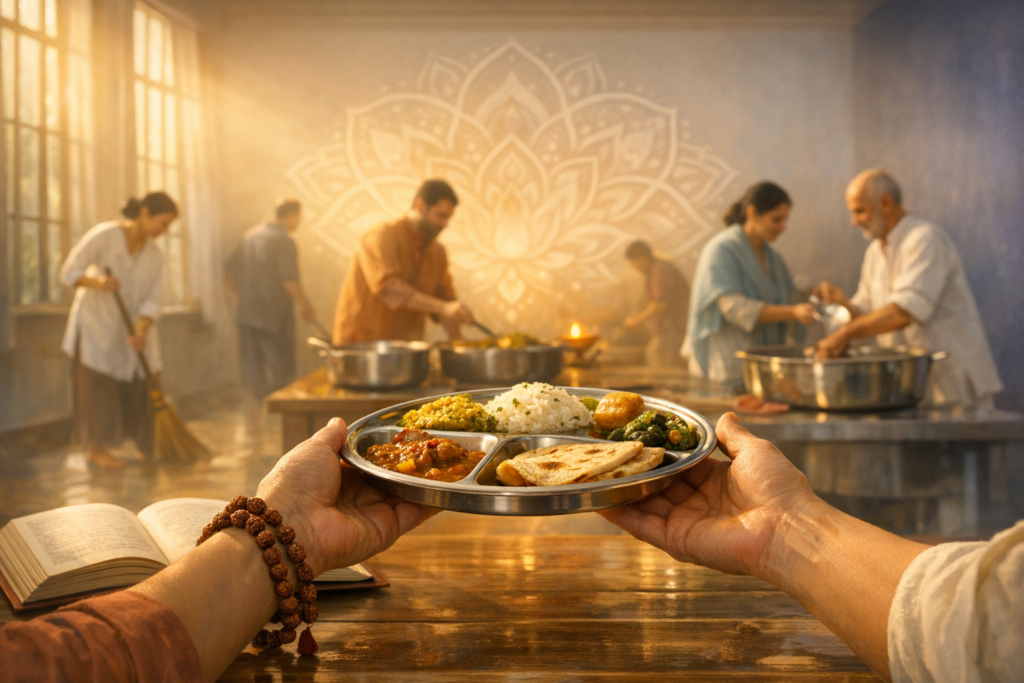
Picture a scenario where a team of expert chefs attempts to create a universal dish. Each chef adds their own ingredients without any harmony, resulting in a concoction that pleases no one. This metaphor comes to mind whenever I think of the Constituent Assembly Debates. I'm not diminishing the significance of our Constitution, but rather, I'm reminded of P.V. Kane's analysis of its vulnerabilities.
Since its inception, our Constitution has been amended numerous times, reflecting its lack of a strong spiritual and philosophical base. The absence of Dharma as a guiding principle has left us vulnerable. Consequently, we've witnessed the rise of aggressive proselytization and missionary conversions, further eroding our cultural heritage.
The concept of Ghar-Wapsi, or returning home, has never been more crucial. But even this is only a partial remedy. It requires a collective decision among Hindus to foster larger families and a cultural resurgence. Consider the alarming reality of sacred places like Tirumala and Sabarimala facing threats from external influences. Our spiritual centers, once bastions of Dharma, are now at risk.
We face a multifaceted challenge: halting large-scale proselytization, reinforcing Hindu societal structures, launching Ghar-Wapsi initiatives, and nurturing an expansionist mindset reminiscent of historical figures like Chandragupta Maurya and Rajaraja Chola. As global discussions on data sovereignty unfold, we must cultivate this mindset to protect and promote our heritage.
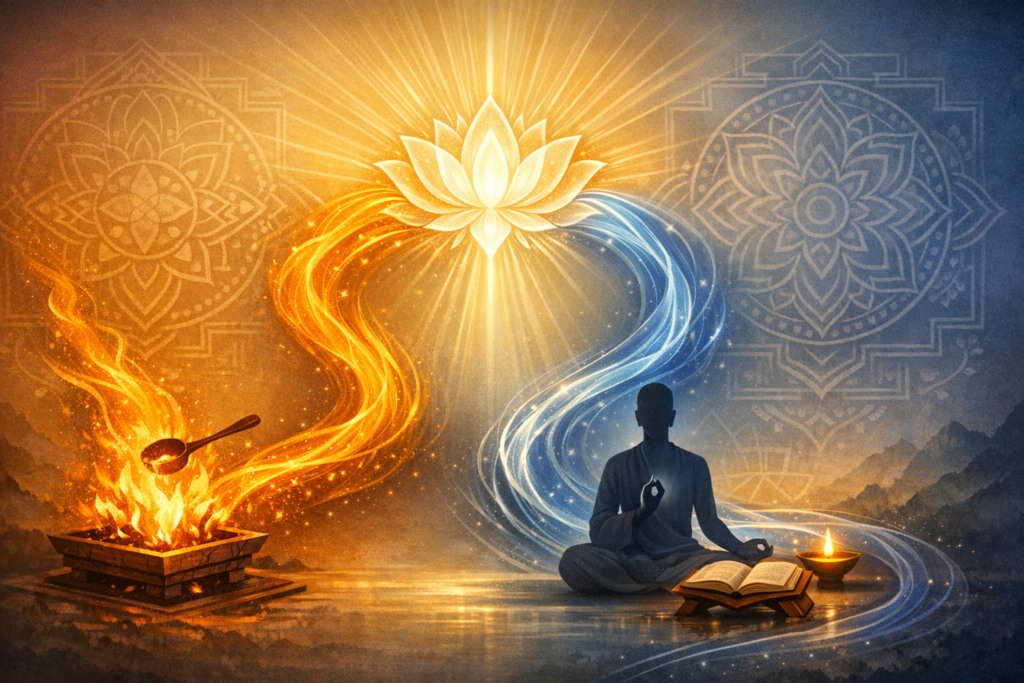
Our efforts must begin with our Mathas, which play a pivotal role in preserving spiritual traditions. They should emphasize the beauty of our spiritual practices, as beauty resonates with the human soul. Furthermore, Mathas must actively combat conversions and support Ghar-Wapsi.
A sincere introspection is essential. Why are Hindus converting? Is it for education, healthcare, or economic opportunities? Addressing these concerns is preferable to facing extinction. Every convert becomes a potential threat to our cultural heritage.
I dread the thought of witnessing sacred sites being renamed and repurposed. This has happened wherever Christianity gained dominance, often with bloodshed. The question remains: Are we, as a Hindu society, prepared to confront this existential threat?
Reflecting on our history, it is clear that former Hindus pose the greatest danger to our community. Acharya P.V. Kane's simplified ritual of Parāvartana offers a practical guide for those returning to their roots. It's time to embrace this process and safeguard our cultural legacy.
|| ॐ Tat Sat Brahmārpaṇamastu ||