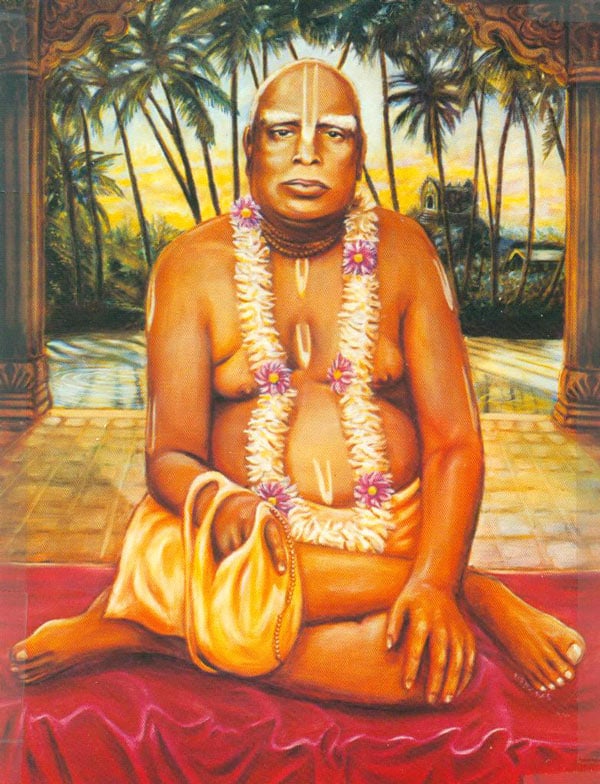
Śrīla Prabhupāda’s eleven years of direct, worldwide outreach demonstrated that Krishna consciousness can inspire transformation across boundaries of birth, culture, language, and nation, turning sincere seekers into Vaishnavas through śravaṇa, kīrtana, and compassionate association. That possibility remains intact today; what has shifted is the social landscape in which communities organize, communicate, and welcome newcomers.
Across many regions, ISKCON constituencies have matured, diversified, and dispersed. Urbanization, digital-first habits, interfaith interaction, and changing family structures have reshaped how people discover and evaluate spiritual paths. These shifts do not diminish the potency of bhakti; they simply demand a methodical, culturally intelligent approach to local recruiting that honors tradition while engaging contemporary realities.
This analysis outlines three principal obstacles to local recruiting and presents evidence-informed, field-tested solutions for each. While examples frequently reference ISKCON, the frameworks apply broadly to dharmic communities seeking unity and growth across Hinduism, Buddhism, Jainism, and Sikhism, aligning devotional authenticity with CommunityEngagement and Unity in spiritual diversity.
Local recruiting is best understood as the end-to-end process through which a nearby resident moves from awareness of a temple or center to active participation in satsaṅga, service (seva), and sustained practice. It spans discovery, first contact, structured onboarding, relational support, and long-term retention, and it is strengthened when designed with clear value propositions, ethical governance, and measurable outcomes.
Obstacle 1: Demographic and cultural shifts have outpaced legacy outreach models. Neighborhoods once anchored by recent immigrants may now include second-generation youth, multi-ethnic seekers who are spiritual-but-not-religious, time-pressed professionals, students navigating identity formation, and families prioritizing child-friendly spaces. Many evaluate spiritual opportunities through the lenses of wellness, community impact, and inclusivity before committing to deeper study.
Effective response begins with systematic audience research. Short, anonymized surveys at festivals, open houses, and campus events help map motivations, barriers, and preferred channels. Focus conversations with newcomers clarify what language resonates, which program formats feel welcoming, and where friction appears. Collecting only essential data, respecting privacy, and transparently stating purpose build trust from the outset.
Localization then translates insights into practice. Signage, announcements, and course materials in locally relevant languages, without diluting the integrity of śāstra, lower entry barriers. Scheduling that respects local work rhythms, accessible public transit, and safe, well-lit facilities signals care. Child-friendly kīrtana sessions, compassionate dietary guidance for newcomers exploring vegetarian or vegan prasādam, and quiet spaces for reflection expand inclusion.
Programming can foreground universally intelligible dharmic benefits while inviting deeper engagement. Introductory offerings such as “Kirtan Meditation for Stress Relief,” “Bhakti and Mindfulness for Busy Professionals,” and “Ethical Living and Ahimsa in Daily Decisions” make immediate sense to diverse neighbors. Interactions that highlight shared dharmic valueskaruṇā, ahiṁsā, satya, and sevanaturally open doors across Hindu, Buddhist, Jain, and Sikh contexts without compromising the distinctiveness of the Bhakti Tradition.
Partnerships with universities, cultural associations, and service groups amplify reach and credibility. Participating in interfaith or inter-dharma dialogues, co-hosting food relief and environmental seva, and contributing to local well-being demonstrate lived Dharma. Such collaboration reduces misconceptions of sectarianism and positions ISKCON within a wider tapestry of Dharmic unity and public benefit.
Obstacle 2: Message and value proposition misalignment blunts interest. Insider terminology, an overemphasis on what must be renounced before highlighting attainable daily practices, or the absence of clear pathways for householders can unintentionally alienate seekers whose first questions center on meaning, mental clarity, family well-being, ethical action, and community belonging.
Refinement starts with outcome-oriented communication. Describing how Krishna consciousness cultivates inner steadiness, compassionate relationships, service-minded citizenship, and joyful discipline frames bhakti as both profound and practical. Presenting the path as a progressive journeywith encouragement at each stepreassures newcomers that growth can proceed responsibly within work, study, and family life.
Articulating plurality with philosophical clarity strengthens inclusivity. The dharmic principle that people have distinctive dispositions and Ishta underscores that multiple honorable pathways exist. Presenting Krishna-bhakti as a luminous path among complementary dharmic traditions honors unity in spiritual plurality while inviting sincere exploration of chanting, study, and seva as accessible, potent practices.
A structured “seeker-to-sādhaka” pathway prevents drift after initial enthusiasm. A 90-day newcomer journey might include a welcoming open house, a four-to-six session foundations course on the Bhagavad-Gita contextualized for contemporary life, a weekly small-group satsaṅga, and active participation in a service team aligned with individual skills. Clear calls to action at each waypointRSVP, attend, reflect, connect, servemaintain momentum.
Digital channels extend this pathway. Local search optimization for temple pages, regularly updated event calendars, thoughtful articles on Hindu Dharma and Bhakti Tradition, and respectful follow-up via consent-based email or messaging sustain engagement. Recorded kīrtana, introductory Gita reflections, and practical guides to japa help newcomers build a daily rhythm before formal commitments.
Obstacle 3: Fragile follow-up, volunteer fatigue, and trust-and-safety concerns erode retention. Many communities invest in festivals and first-touch events but lack the relational infrastructure that helps a newcomer feel known, guided, and protected. Inconsistent contact, unclear next steps, or preventable administrative lapses can undo months of good work.
Clarity of roles stabilizes hospitality. A simple triadGreeters who create immediate warmth, Connectors who introduce relevant people and programs, and Buddies who accompany newcomers through their first weeksturns goodwill into durable belonging. Short orientation sessions equip volunteers with listening skills, cultural sensitivity, and referral protocols for pastoral or professional support when needed.
Ethical data stewardship and light-weight relationship management preserve continuity without intrusiveness. Consent-based contact forms, limited access to personal information, and punctual, friendly follow-ups within 24–72 hours keep conversations alive. Periodic check-ins around festivals, study milestones, or seva anniversaries celebrate progress and surface obstacles early.
Transparent governance is non-negotiable for trust. Publicly posted child and vulnerable-adult safeguarding policies, visible financial transparency practices proportionate to local norms, clearly communicated grievance and whistleblowing channels, and a concise code of conduct for leaders and volunteers create psychological safety. These measures protect the sanctity of kīrtana and satsaṅga while reassuring families and civic partners.
Community-facing seva further deepens credibility. Food relief, environmental clean-ups, hospital visits, and collaborative cultural education with Jain, Buddhist, and Sikh partners embody Dharma in action. When neighbors consistently see ethical conduct, service, and humility, stereotypes fade and word-of-mouth recruiting strengthens organically.
A composite example illustrates how these elements align. A metropolitan temple mapping local demographics identifies high interest among students and young professionals in stress reduction and ethical living. It pilots a monthly “Kirtan and Mindfulness” evening with a gentle introduction to japa, offers a four-week Gita-in-life series, assigns Buddies to each attendee who opts in, invites them to a Sunday cooking seva, and follows up with short reflections and resources. Within one quarter, more newcomers attend small groups, families report feeling welcomed, and inter-dharma collaborations expand festival participationwithout diluting the core of Krishna-bhakti.
Implementation benefits from a phased blueprint. In the first three months, communities audit touchpoints, survey newcomers, and pilot one welcoming event with a defined follow-up plan. Months four to six consolidate a foundations course, small groups, and hospitality roles. Months seven to twelve expand inter-dharma partnerships, child-friendly programming, and transparent reporting rhythms, adjusting based on documented learner feedback.
Measurable indicators guide improvement while honoring qualitative transformation. Useful metrics include event RSVP-to-attendance conversion, newcomer-to-small-group progression, 90-day retention, volunteer training completion, safeguarding compliance, and participation in seva teams. Short narrative testimonies, collected with consent, complement numbers by revealing lived changes in clarity, compassion, discipline, and joy.
Unity among dharmic traditions magnifies impact. Presenting Krishna consciousness within the broader family of Dharmaemphasizing shared virtues, mutual respect, and freedom of conscienceboth reflects historical inclusivity and modern civic wisdom. Such positioning disarms zero-sum thinking and models how profound commitments can coexist with pluralism and friendship.
In sum, the same transcendent message that Śrīla Prabhupāda carried across oceans flourishes when local communities account for demographic change, communicate outcomes with philosophical clarity, and build trustworthy, relational pathways from interest to practice. By integrating audience insight, structured onboarding, and transparent governanceand by collaborating across Hindu, Buddhist, Jain, and Sikh communitieslocal recruiting moves from episodic effort to sustainable, Dharmic growth.
Inspired by this post on Dandavats.