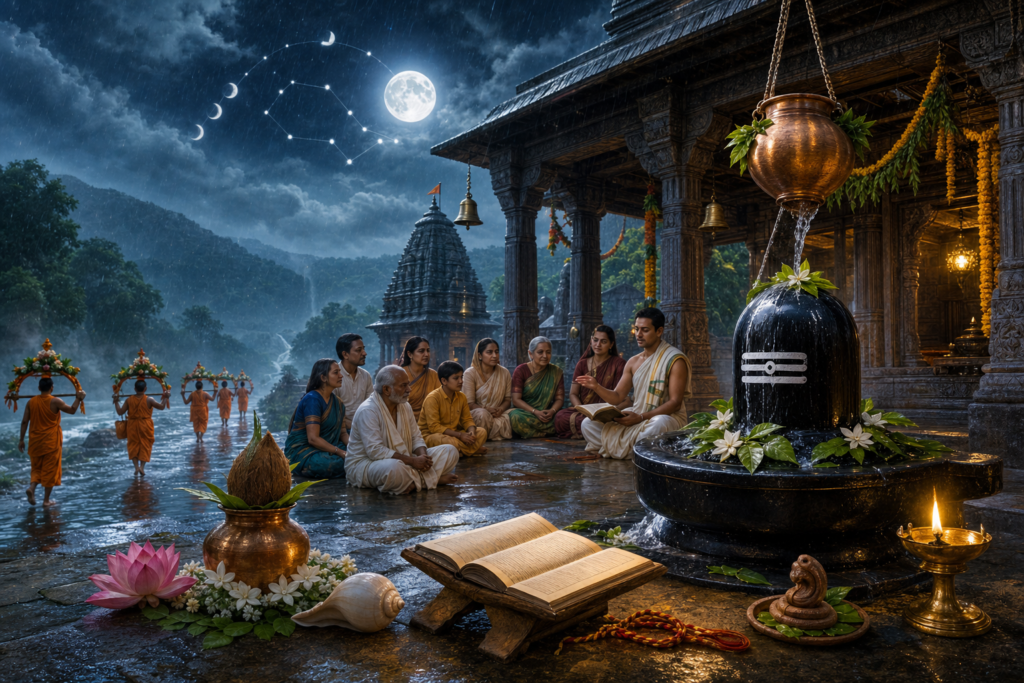
Vishu Kani, also known as Vishukkani, is the central ritual of Vishu, the Malayalam New Year that inaugurates the agricultural and solar year in Kerala. Among the many sacred spaces where this rite is observed, the Sabarimala Ayyappa Temple holds a distinctive place, drawing pilgrims who seek the first auspicious sight of the year in the presence of Sri Ayyappa. The ritual emphasis is on beginning the year with a vision of abundance, purity, and spiritual clarity, aligning the individual with dharmic ideals and the cosmic order outlined in the Malayalam Calendar.
For 2026, the pre-dawn Vishu Kani Darshanam at Sabarimala is expected to be facilitated in the early morning window from about 04:00 to 06:00 IST on Tuesday, 14 April 2026. This interval harmonizes with Brahma Muhurta and the first light of day, traditionally regarded as spiritually elevating. Final operational details and crowd-management measures are subject to confirmation by the Travancore Devaswom Board, which administers the Sabarimala Ayyappa Temple.
Vishu coincides with Mesha Sankramam, the Sun’s ingress into Aries, which commences the solar year in Kerala’s Kolla Varsham system. While the exact Sankramam moment is an astronomical instant, the ritual logic of Vishukkani privileges the first conscious, auspicious sight upon waking, ideally at dawn. Hence, temples and households plan the Kani for the pre-sunrise hours, ensuring the initial perception of the day and the year is suffused with light, order, and prosperity.
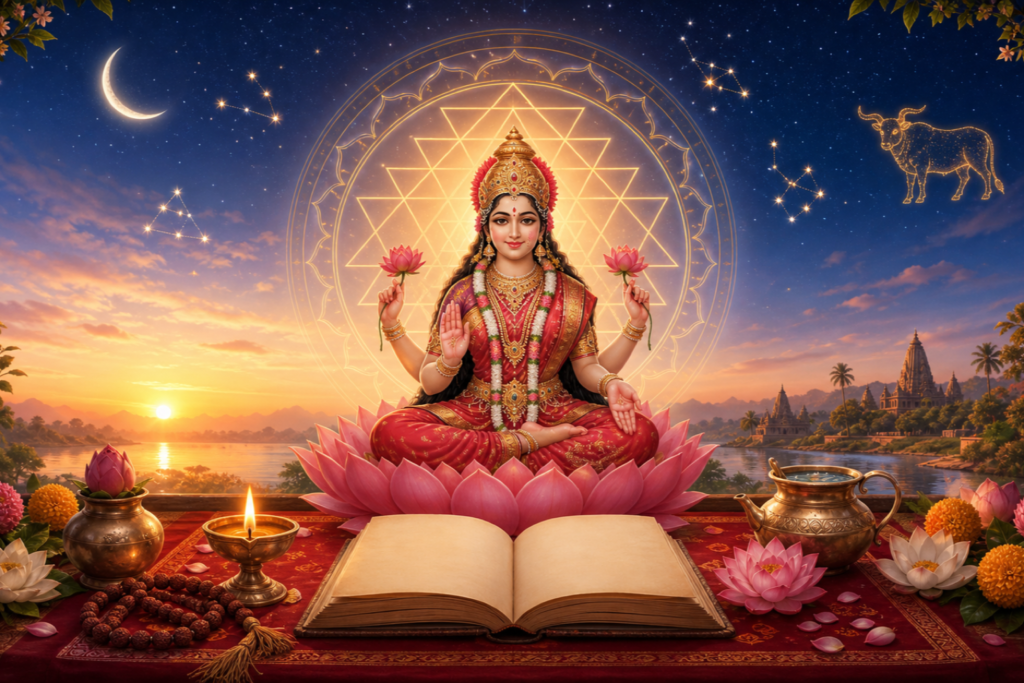
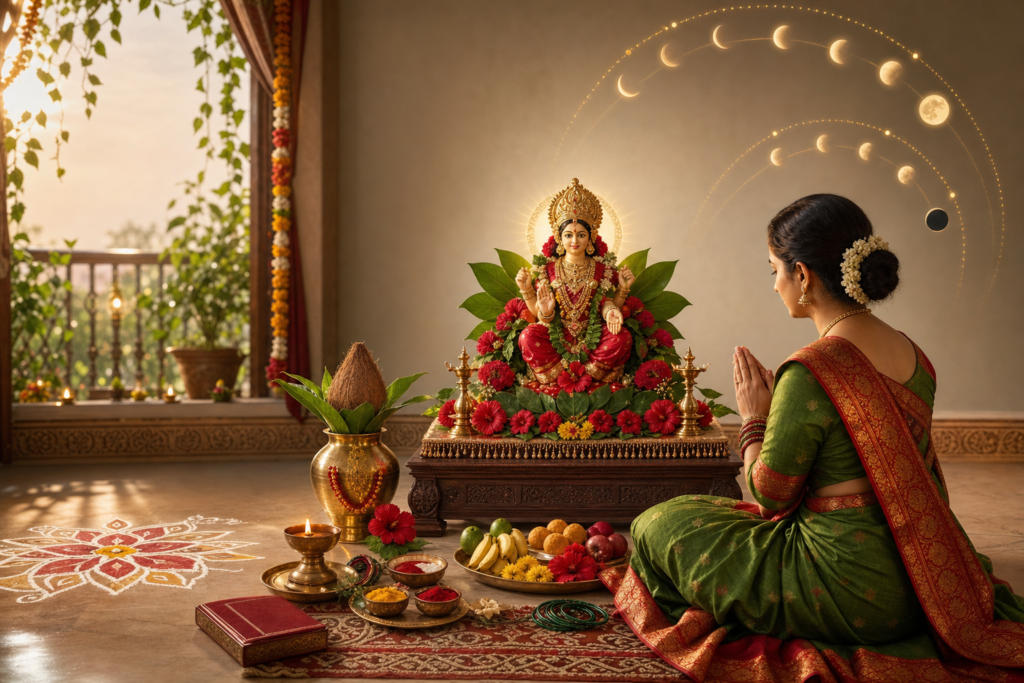
In essence, Vishukkani is a curated tableau of auspicious elements placed in a gleaming uruli or traditional vessel. Common components include the kani konna flower (Cassia fistula), a lit nilavilakku, a mirror, granthas such as the Bhagavad Gita or Ramayana, rice, pulses, fruits like jackfruit and mango, cucumber, coconut, betel leaves, coins or gold, and fresh vegetables. Each object symbolizes a specific dimension of well-being: the mirror invokes self-reflection and purity, grains and fruits signal abundance, the lamp stands for knowledge, and the sacred text anchors the mind in dharma.
At Sabarimala, the sanctum’s liturgical program integrates these symbols with Ayyappa worship. The temple typically undertakes pre-dawn rituals culminating in darshan that allows devotees to behold the deity and, by extension, the Vishukkani ideals in a consecrated setting. The felt experience is one of renewal, as the visual grammar of light, plenty, and sacred presence aligns with the year’s first prayers.
Temple timings on festival days can include Nirmalya Darshanam in the very early hours, followed by abhishekam, alankaram, and Usha Puja. Within this framework, the Vishu Kani Darshanam window around 04:00–06:00 IST allows pilgrims to receive the year’s first sight in harmony with dawn worship. Minor adjustments are routine based on crowd flow, weather, and forest regulations; official notifications remain the authoritative source for precise schedules.
Participation is generally facilitated for the broad pilgrim community, subject to standard entry controls and safety protocols. The temple administration and associated agencies may deploy virtual or physical queue systems depending on expected footfall. Advance planning remains prudent, particularly for those traveling from outside Kerala for the Vishu period.
Access to the shrine is via Pampa, followed by the well-known pilgrimage path to Sannidhanam. Even outside the main Mandala-Makaravilakku season, terrain, altitude, and weather can make the ascent demanding for some; adequate fitness, hydration, and layered clothing for pre-dawn chill are recommended. Devotees should comply with posted advisories along the route, especially in areas designated for wildlife protection.
Accommodation in and around Pampa and Sannidhanam is limited relative to festival peaks. Early reservations, verification of facility status during the Vishu opening, and contingency plans are advisable. Pilgrims are encouraged to travel light, carry essential medications, and allocate sufficient buffer time to reach the queue in advance of the Kani Darshanam window.
While Sabarimala tradition recognizes extensive vratas during the Mandala season, Vishu pilgrims commonly observe general austerities such as simple, modest attire, mental restraint, and cleanliness. Dark or modest-colored clothing is typical, and many carry offerings that reflect the Vishukkani ethosfruits, flowers, or ghee for abhishekamconsistent with temple guidelines.
Environmental stewardship is integral to pilgrimage at Sabarimala, which lies within an ecologically sensitive forest zone. Single-use plastics, littering, and non-compliant materials are prohibited. Biodegradable carry bags, reusable water bottles, and strict adherence to waste segregation norms align the act of pilgrimage with the dharmic duty of ahimsa towards nature.
For those unable to undertake the trek, arranging Vishukkani at home is spiritually equivalent and consistent with the Malayalam New Year’s intent. The practice includes arranging an uruli with rice and coins at the base, placing sacred texts, lighting a nilavilakku, adding mirror and ornaments, and prominently featuring kani konna blossoms alongside seasonal fruits and vegetables. Family members view the Kani immediately upon waking, then proceed to prayer, meditation, and reading a few verses from a chosen grantha.
The symbolism of the mirror in Vishukkani underscores an ethical insight: the first gaze of the year falls upon one’s own reflection amidst light and scripture, reminding the devotee to cultivate inner clarity. The lamp reaffirms the primacy of knowledge over ignorance, and the blossoms and grains evoke gratitude for the cycles of growth that sustain life. The arrangement becomes a compact visual theology of prosperity guided by restraint and wisdom.
Vishukkaineetamthe customary gifting of coins or small presents to children and dependentsextends the ritual’s benevolence into social practice. It models generosity, communal care, and the sharing of fortune at the threshold of the year. Across Kerala’s diaspora, this gesture adapts readily to local contexts while retaining its emotional core.
The calendrical spirit of Vishu resonates across dharmic traditions that also mark the Sun’s transit into Aries. On or around the same dates, communities observe Puthandu in Tamil Nadu, Vaisakhi in the Sikh tradition, and regional New Year festivities such as Pohela Boishakh and Pana Sankranti. This shared solar symbolism highlights a civilizational unitydiverse forms expressing a common reverence for cyclical time, renewal, and righteous living.
Following Kani Darshanam at Sabarimala, devotees often participate in subsequent pujas and receive prasadam. Naivedyam associated with the temple, including items like Aravana Payasam and Appam when available, is distributed as per prevailing arrangements and tokens. Devotees are encouraged to verify availability and token procedures in advance, particularly during high-demand windows.
Optimal pilgrimage planning for 14 April 2026 involves arriving at Pampa the previous evening or well before dawn, checking for any traffic or weather advisories, and joining the queue early enough to be present at Sannidhanam during the 04:00–06:00 IST Vishukkani Darshanam window. Contingency allowances for trekking time, security checks, and darshan queues are essential to minimize last-minute stress.
Elderly pilgrims and those with medical conditions should consult healthcare providers in advance and consider support arrangements where possible. While basic medical aid points may be available, personal medications, identification, and emergency contact details should be carried at all times. Patience, calm, and cooperation with volunteers and security personnel contribute to a safe and spiritually rewarding visit.
From a ritual studies perspective, Vishu Kani is notable for integrating domestic and temple liturgies around a shared visual idiom. It demonstrates how sight, light, and arrangement function as ritual media, translating metaphysical aimsauspicious beginning, ethical clarity, and community well-beinginto tangible practice. Sabarimala’s observance intensifies these effects by situating the rite in a sacred geography charged with Ayyappa bhakti.
In summary, the Vishu Kani Darshanam at Sabarimala on 14 April 2026 offers a profound alignment of astronomy, tradition, and devotion. By planning for the pre-dawn darshan, understanding the symbolism of Vishukkani, and honoring ecological and community responsibilities, devotees participate in a ritual that renews both personal intent and collective harmony. The Malayalam New Year begins not only with auspicious sight but with a pledge to conduct the year in the light of dharma.
Inspired by this post on Hindu Pad.