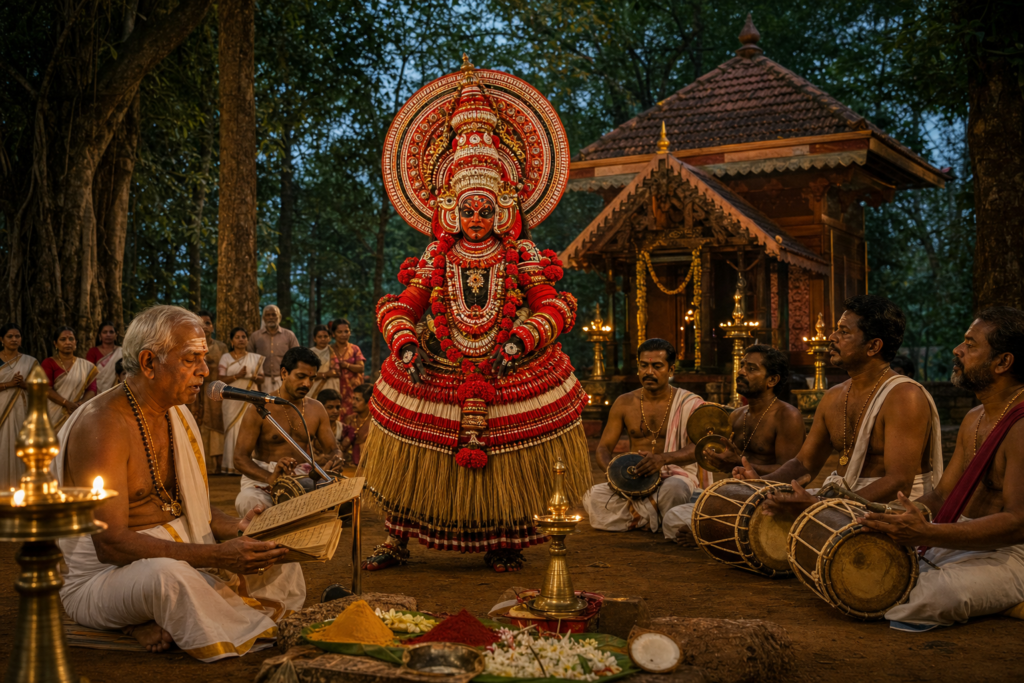
Varusha Pirappu 2026, also known as Puthandu or Chithirai Vishu, marks the Tamil New Year 2026–2027 and the advent of Parabhava Nama Varuda. In 2026, Varusha Pirappu falls on April 14 (IST), aligning with Chithirai 1, the first day of the Tamil solar month Chithirai. Observed across Tamil Nadu, Sri Lanka, and the global Tamil diasporafrom Malaysia and Singapore to South Africa, Europe, and North Americathis new year begins with prayers for prosperity, well‑being, and righteous living (dharma).
The calendrical basis of Tamil New Year is astronomical. Varusha Pirappu is anchored to Mesha Sankranti, the Sun’s entry into sidereal Aries (nirayana Mesha, ecliptic longitude 0° in the sidereal zodiac). This is distinct from the tropical (sayana) zodiac used in Western astronomy. Because the sidereal solar ingress occurs around mid‑April, Tamil New Year typically falls on April 14 (occasionally April 13 depending on precise calculations and time zone). Local panchangam conventions (e.g., Surya Siddhanta vs. modern astronomical parameters) can yield minor variations in exact muhurta, even when the civil date remains the same.
The designation Parabhava Nama Varuda situates 2026–2027 within the traditional 60‑year Jovian cycle shared across several South Indian calendrical traditions. While regional pronunciations differ (Varuda, Samvatsara, or Samvatsaram), the cyclic year name Parabhava is common vocabulary among Tamil, Telugu, and Kannada almanacs. This shared time‑reckoning highlights a broader Indic unity: distinct communities tracking the same cosmic cycle through local languages and customs.
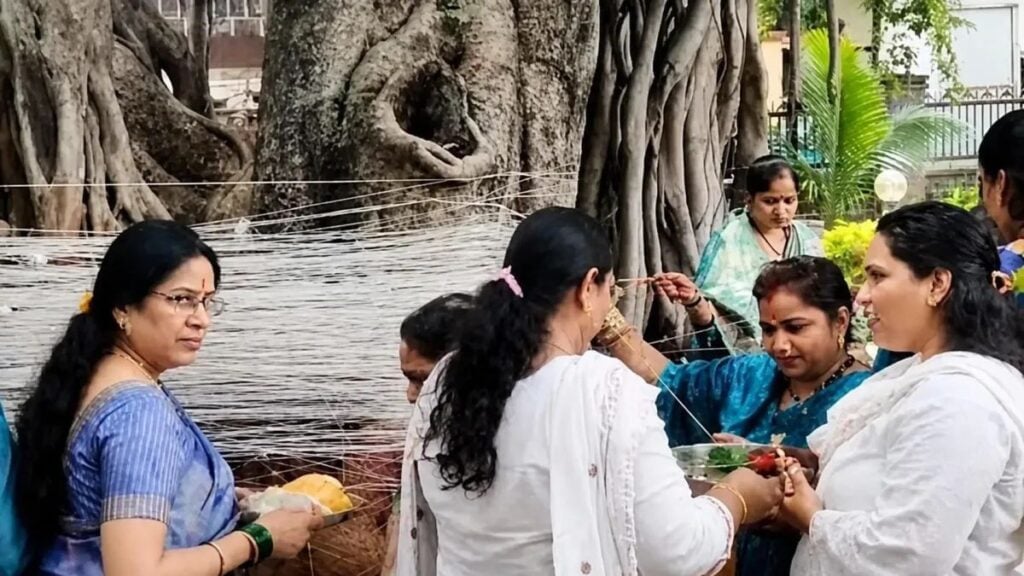
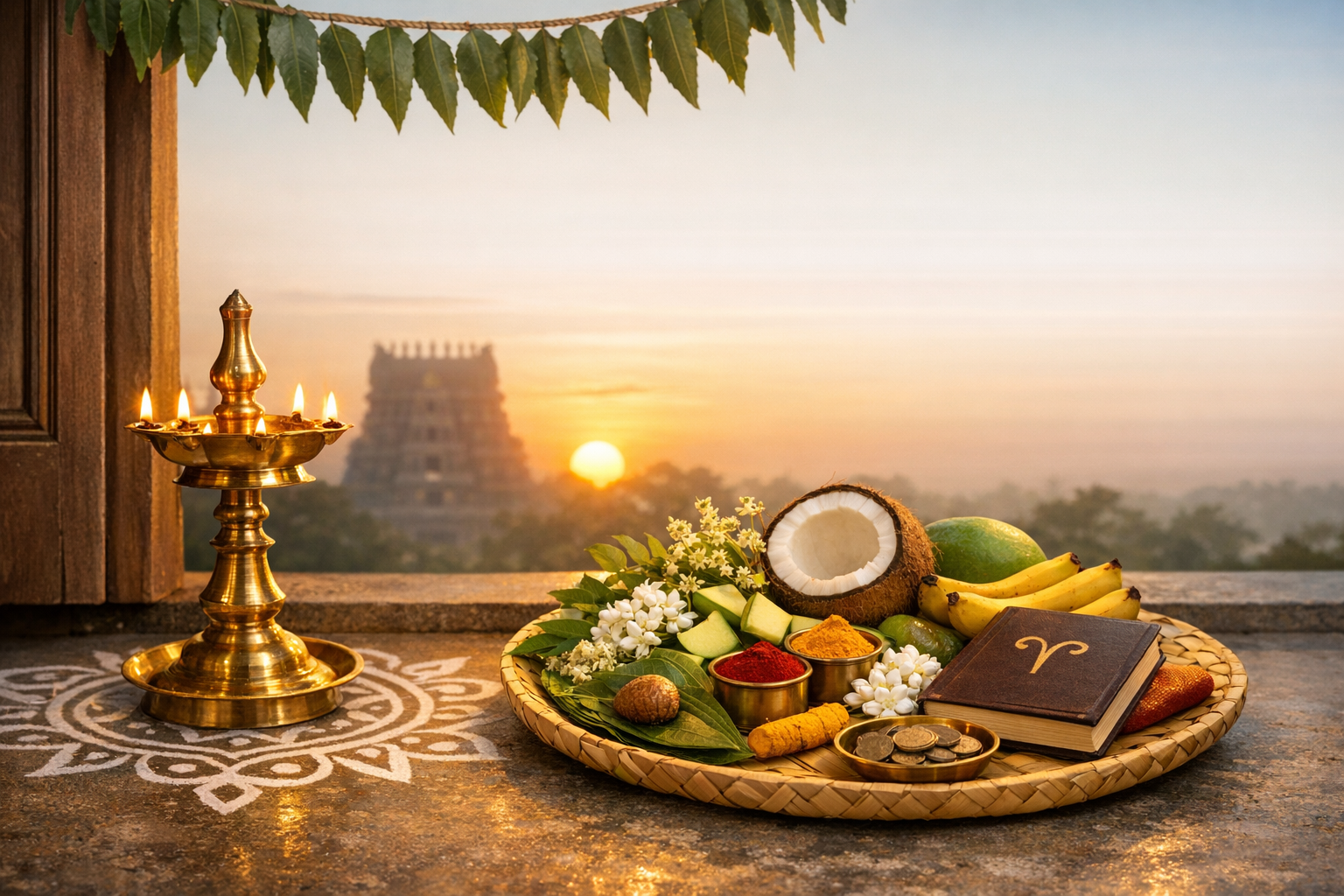
Household observances on Puthandu begin at dawn with purification, lamp lighting, and threshold kolam. Many families decorate doorways with fresh mango‑leaf toranams and place offerings at the home altar to Ganesha and the Navagrahas, seeking clarity for the year ahead. Elders bless younger family members with auspicious words and small gifts, a practice remembered with warmth for the sense of belonging it nurtures. Some Tamil communities prepare a kanian arranged first sight of auspicious items at daybreaksimilar in spirit to Vishu kani, emphasizing the primacy of vision and intention as one steps into the new year.
Food symbolism is central. A hallmark preparation for Puthandu is maanga pachadi (a seasonal mango‑neem dish) that interweaves sweet, sour, bitter, salty, pungent, and astringent elements. This sensory spectrum is not merely culinary; it is a philosophical reminder that life’s experiences will include delight and challenge, healing and effort, and that equanimity is cultivated by honoring the whole. Sweets (payasam), festive rice dishes, and regional specialties accompany family meals, strengthening intergenerational bonds and cultural continuity.
Temples across Tamil Nadu and the diaspora conduct special abhishekam, archana, and panchangam reading (panchanga sravanam). Major pilgrimage centers such as Srirangam, Kanchipuram, Chidambaram, Madurai, Palani, and Tiruchendur observe festive schedules, while community temples overseas mirror these rites so that diaspora families can participate meaningfully. The broader Chithirai month also hosts grand processions and festivals (e.g., the famed Chithirai Thiruvizha at Madurai), embedding the new year within a season of public devotion, arts, and shared service.
For those planning home worship, the guiding principle is simplicity with sincerity. After sunrise on April 14, families may perform sankalpa (a resolved intent), light a deepam, recite prayers and namavalis of Ishta devatas, and read from a trusted Tamil panchangam to reflect on the year’s astrological pointers. Since Sankranti muhurta can be location‑specific, consulting a local panchangam is prudent if a precise puja window is desired.
Varusha Pirappu 2026 resonates within a wider Indic tapestry of new‑year observances. Mesha Sankranti also coincides with Vishu in Kerala, while Vaisakhi in Punjab and among Sikhs marks a pivotal harvest and spiritual commemoration. In Sri Lanka, Sinhalese Buddhists and Tamil Hindus share the island’s new‑year season with parallel customs of merit, generosity, and reconciliation. Ugadi (Andhra Pradesh and Telangana) and Yugadi (Karnataka), observed earlier with the lunisolar Chaitra month, share the same renewal ethos and culinary symbolism (e.g., shadrasa) as Puthandu. These interlinked traditions reflect unity in diversity across Hindu, Buddhist, Jain, and Sikh communities, affirming a common commitment to dharma, gratitude, and compassionate coexistence.
In Tamil panchangam practice, the new year often prompts a review of Aaya Vyaya (income‑expense), Rajapujya and Avamarya (honor and challenges), and other annual indicators. While such metrics (Aaya Vyaya 2026–2027) form part of classical jyotisha discourse, they are best approached as reflective guides rather than deterministic scripts. The tradition encourages discernment: align personal duty (svadharma), cultivate discipline and generosity, and adapt wisely to circumstances.
Families frequently note small, heartfelt details that make the day memorable: the fragrance of neem blossoms, the sheen of new brass lamps, the quiet shared prayer before stepping into an uncertain yet hopeful year. Children learn to draw kolam by imitating elders; adults pause to call distant relatives; community kitchens and temple volunteers extend prasad to all visitors. These lived experiences carry forward cultural memory and reinforce a shared moral vocabularytruthfulness, mutual respect, and care for all beings.
Eco‑conscious choicesbiodegradable toranams, locally sourced produce, reusable lamps and vesselsintegrate naturally with traditional Tamil values of restraint (samyama) and stewardship. By celebrating with ecological sensitivity, households honor both ancestral wisdom and contemporary responsibility, ensuring that heritage and habitat thrive together.
Because Tamil communities are global, some regions outside South Asia may observe the festival a day earlier or later due to time‑zone shifts, temple scheduling, or community logistics. Nevertheless, the central alignment remains: Puthandu 2026 is observed on April 14 in India and Sri Lanka, inaugurating Parabhava Nama Varuda and inviting reflection on purpose, conduct, and service for the year ahead.
In essence, Varusha Pirappu 2026 (Parabhava Nama Samvatsaram) is more than a calendrical rollover. It frames a perennial practice of renewalcleansing the home and the heart, reading the panchangam with humility, and stepping into the year with gratitude. Within the broader family of dharmic traditions, Tamil New Year 2026–2027 affirms shared virtues and interdependence, encouraging communities everywhere to choose compassion, wisdom, and unity as the most auspicious beginning.
Inspired by this post on Hindu Pad.