Vaikunth Chaturdasi Upvaas is the auspicious fasting vow observed on the day preceding Vaikunth Chaturdasi. In 2025, the Upvaas falls on Tuesday, 4 November, and Vaikunth (Vaikunta) Chaturdasi is observed the next day on Shukla Paksha Chaturdashi in the Kartik month. This annual rhythm anchors devotees in the Kartik cycle of vrata, worship, and service.
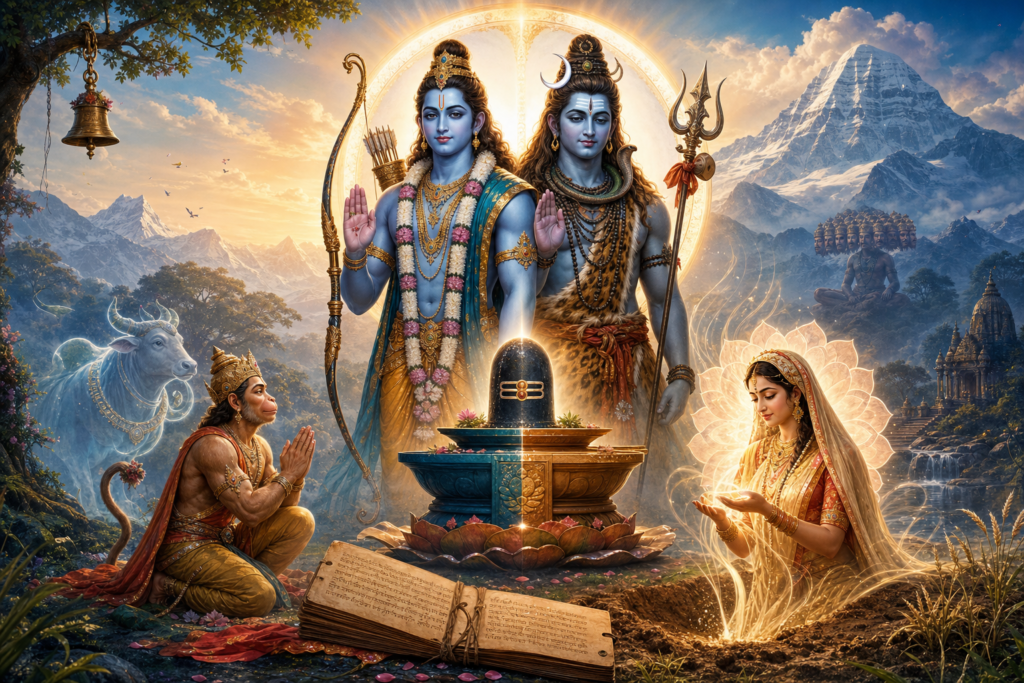
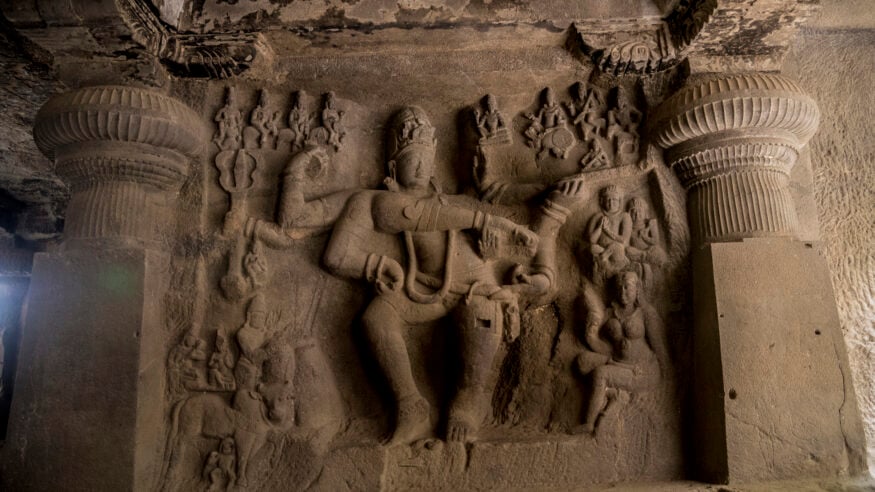
Within the Hindu festival calendar, Vaikunth Chaturdasi holds a distinctive place for celebrating the harmony of Bhagavan Vishnu and Bhagavan Shiva. Traditional accountsespecially associated with Kashihighlight the symbolic exchange of sacred leaves: Vishnu offered bilva to Shiva and Shiva offered tulsi to Vishnu, expressing an enduring unity between Vaishnava and Shaiva sampradayas. This spirit of concord provides a valuable model for dharmic harmony in contemporary life.
Devotees commonly observe the Upvaas with a sankalpa at sunrise, a sattvic fast (often phalahar) or, where health permits, a stricter discipline, alongside japa such as “Om Namo Narayanaya” and “Om Namah Shivaya.” Evening deepa-daan, tulsi and bilva puja, recitation of Vishnu Sahasranama or Shiva stotra, and dana offered with humility further enrich the vrata. These practices cultivate inner clarity, gratitude, and compassionqualities emphasized throughout the Kartik month.
For calendar accuracy, the Upvaas is observed on the day before Vaikunth Chaturdasi, aligning with local tithi transitions leading into Shukla Paksha Chaturdashi. As sunrise and tithi overlap can vary by location, consulting a reliable local panchangam is recommended to honor the vrata within the proper muhurta.
The ethos of Vaikunth Chaturdasi Upvaas resonates beyond sectarian boundaries. Practices of fasting, self-discipline, and seva are integral not only to Hindu traditions but also reflect shared dharmic values found across Buddhism, Jainism, and Sikhismnonviolence, mindfulness, restraint, and compassionate action. Observing this vrata with inclusivity strengthens unity in diversity and nurtures mutual respect among dharmic paths.
Practical preparation enhances the observance: plan simple sattvic meals for pre- and post-fast nourishment, remain well-hydrated, and maintain a calm routine focused on study, meditation, and silence. Participation in temple seva, satsang, or community sharing of prasadwhile choosing eco-conscious lamps and offeringscreates a wholesome atmosphere that aligns personal discipline with collective well-being.
In 2025, observing Vaikunth Chaturdasi Upvaas on 4 November establishes a thoughtful bridge into the next day’s worship on Kartik Shukla Chaturdashi. Approached with sincerity, the vrata becomes a complete practice: honoring Vishnu and Shiva together, affirming inter-sampradaya harmony, and embodying dharmic values that guide a life of devotion, service, and peace.
Inspired by this post on Hindu Pad.