30 December 2025 marks Vaikunta Ekadashi (Mukkoti Ekadashi), one of the most revered observances in the Hindu calendar for devotees of Vishnu. In regional reckoning, this Ekadashi falls in Margazhi Masam in the Tamil calendar, Dhanu Masam in the Malayalam calendar, and Paush Month in other Hindu calendars followed across Andhra Pradesh, Telangana, Karnataka, West Bengal, and several North Indian states.
As with every Ekadashi, the observance is anchored in the tithi (lunar day) as per the Panchang. While temples and families may follow distinct sampradaya traditions, the central focus remains contemplation on Vishnu, ethical living, and the cultivation of inner serenity. This convergence of calendrical precision and devotional practice gives Vaikunta Ekadashi 2025 both calendrical clarity and spiritual depth.
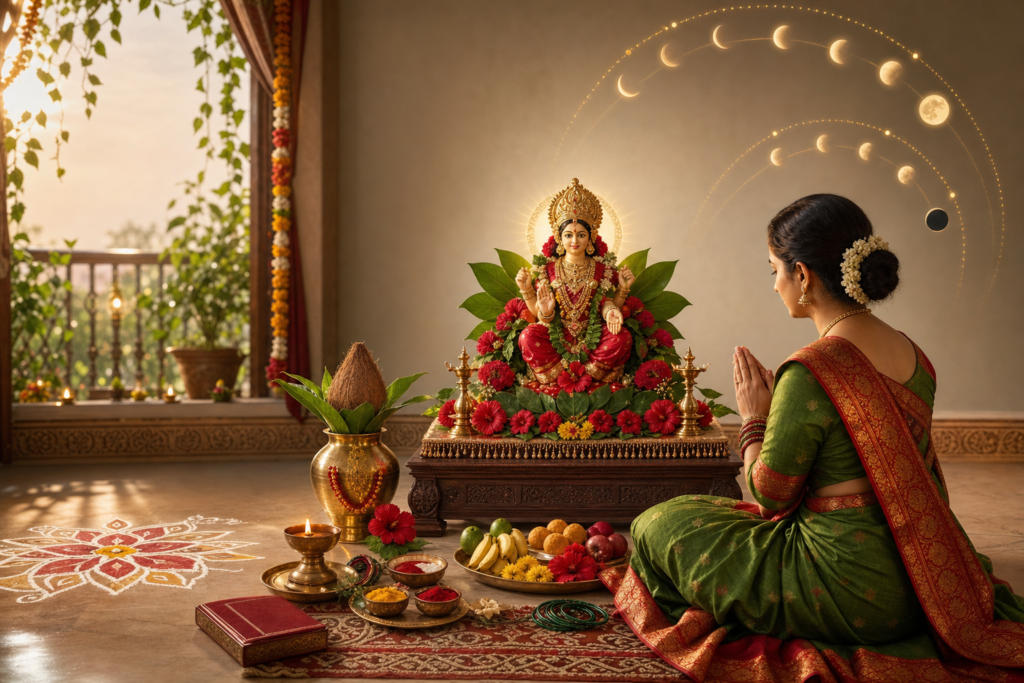
There is no special rule or regulation mandated exclusively for Vaikunta Ekadashi; practices generally mirror other Ekadashi vrata traditions. Common observances include upavasa (fasting according to individual capacity and health), recitation of Vishnu Sahasranama, japa of the divine names, and study of sacred texts such as the Bhagavad-Gita. Many households adopt a sattvic routine marked by simplicity, restraint, and compassion throughout the day.
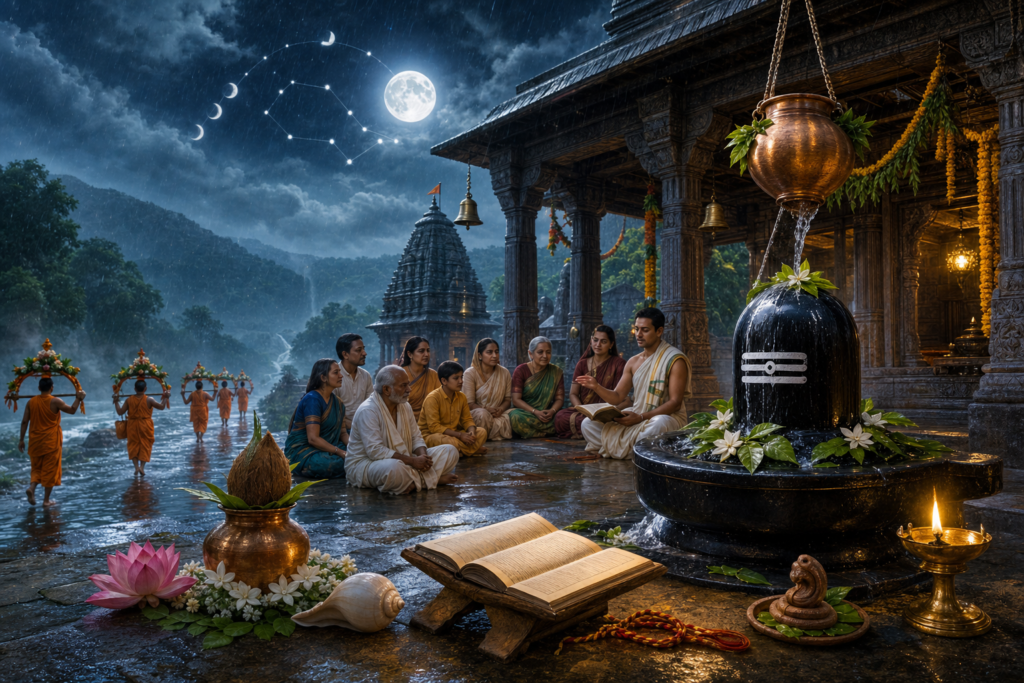
In many Vaishnava temples, the ceremonial opening of the Vaikunta Dwaramalso known as Sorga Vasalis a profound highlight, symbolizing the aspirant’s passage into a state of grace and higher awareness. Devotees often describe the pre-dawn hush, the fragrance of tulasi, and the collective chanting as deeply moving experiences that anchor the day’s reflections on devotion (bhakti) and humility.
The regional calendar referencesMargazhi Masam, Dhanu Masam, and Paush Monthhelp situate the observance within diverse cultural rhythms across India. Communities in Andhra Pradesh, Telangana, Karnataka, West Bengal, and North Indian states often gather for early darshan, satsang, and collective prayers, underscoring the shared fabric of Hindu traditions while honoring local customs.
Beyond ritual form, Vaikunta Ekadashi holds a unifying ethos that resonates across dharmic paths. The disciplines of fasting, meditation, ethical speech, and seva reflect values cherished in Hinduism, Buddhism, Jainism, and Sikhismahimsa, mindfulness, self-restraint, and compassionate action. Observed in this spirit, the day becomes a bridge that strengthens harmony among diverse spiritual lineages.
Practical preparation is straightforward: consult the local Panchang for the precise Tithi timings, plan a simple sattvic diet if fasting, and align the day with quiet study, prayer, and mindful service. Families frequently involve children through accessible practiceslighting a deepa, offering tulasi, or joining a short group chantso that devotion and cultural memory pass on naturally and joyfully.
Observed with attention and care, Vaikunta Ekadashi fosters inner clarity, steadies the mind, and nurtures gratitude for Vishnu’s sustaining presence. The day invites reflection on enduring virtuestruthfulness, compassion, and equanimityso that spiritual insight translates into daily conduct. In this way, 30 December 2025 becomes not only a date on the Hindu calendar but a living occasion for ethical renewal and devotional depth.
Inspired by this post on Hindu Pad.