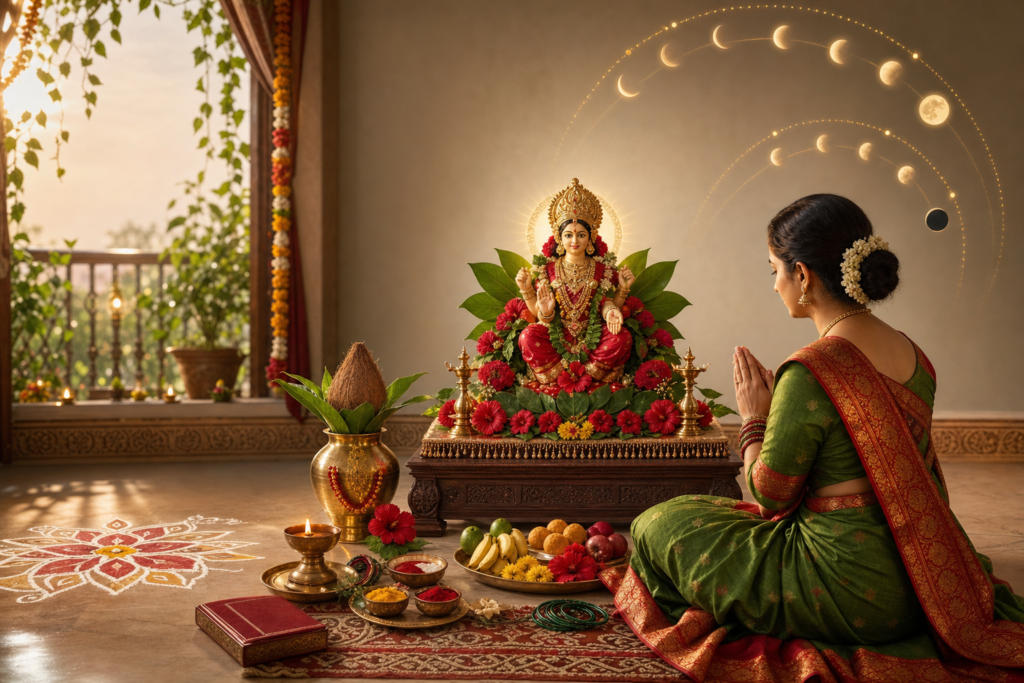
Vaikunta Ekadasi, observed on Margali Ekadashi during the Margazhi month of the traditional Tamil calendar, holds a special place in the devotional life of Tamil Nadu. In 2025, the observance falls on January 10 and December 30, marking two sacred opportunities within the year for vrata, darshan, and contemplative worship of Lord Vishnu.
The Vittalapuram Panduranga Vittaleshwara Temple in Tamil Nadu is renowned for its grand Vaikunta Ekadasi celebrations. This 500-year-old shrinealso referred to as the Lord Panduranga Vittalaeshwara templeembodies a living legacy of bhakti that links southern devotional traditions with the celebrated Panduranga worship associated with Vithoba. Devotees regard the festival here as a convergence of history, art, ritual precision, and communal devotion.
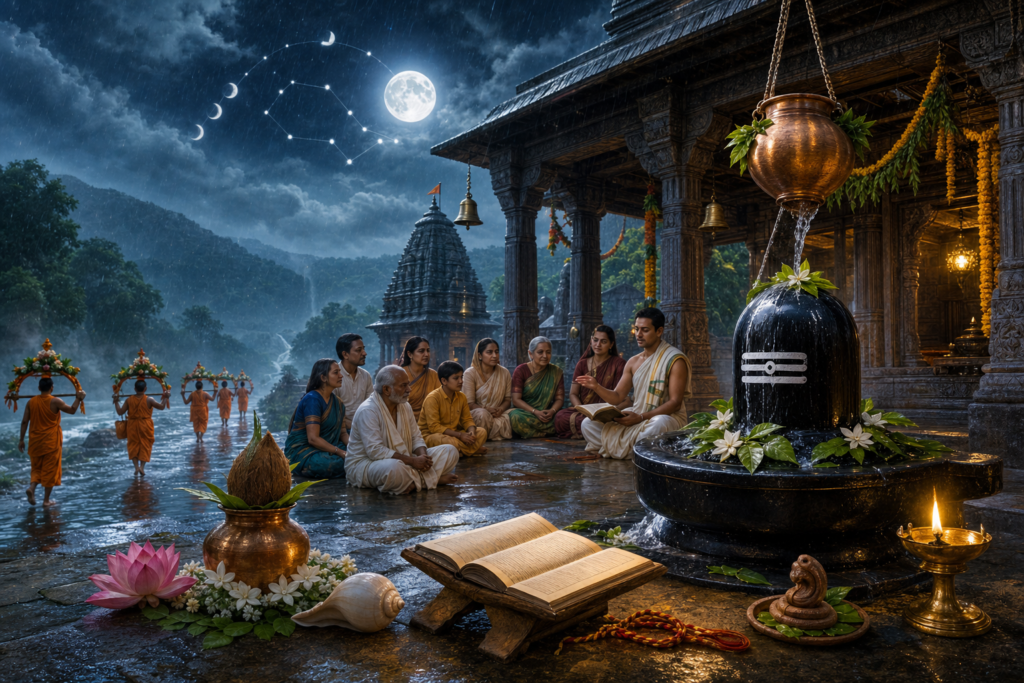
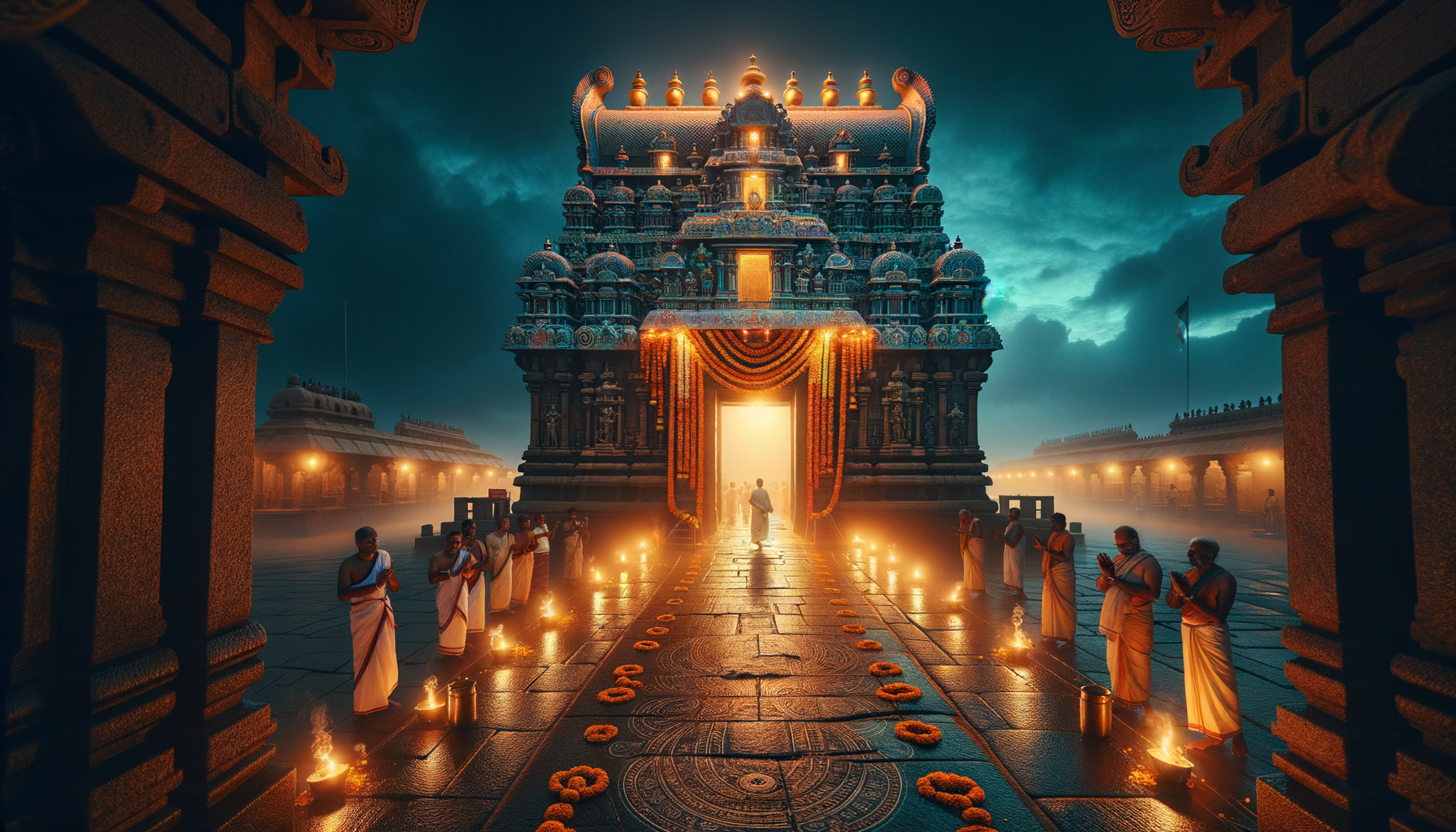
Across Tamil Nadu, Vaikunta Ekadasi is traditionally observed through fasting, night-long vigil, recitation of Vishnu Sahasranama, and participation in early-morning darshan. At many Vishnu temples, the symbolic Vaikunta Dwaram (often called Sorga Vasal) is ceremonially opened, representing the devotee’s aspiration to enter Vaikuntha through sincerity, discipline, and grace. Visitors to Vittalapuram frequently describe a serene yet powerful atmosphere, with devotional songs, disciplined queues for darshan, and a shared sense of hope.
What distinguishes the Vittalapuram observance is the temple’s intimate scale paired with historical gravitas. Families from nearby districts regularly recount how the pre-dawn lamp glow, the cadence of bhajans, and the collective silence during key rituals leave a lasting impression. Many first-time visitors note an immediate sense of belongingan experience that scholars often interpret as the hallmark of inclusive bhakti practice.
While the rite is rooted in Hindu tradition, its contemplative and ethical dimensions resonate across dharmic paths. The emphasis on vratam, mindfulness, and seva on Vaikunta Ekadasi mirrors the values of discipline, compassion, and inner clarity cherished in Buddhism, Jainism, and Sikhism. This shared ethical horizon underscores the unity of dharmic traditions, even as each preserves its distinct liturgy and philosophy.
For those planning a visit in 2025, arriving early, observing local guidelines, and preparing for significant footfall are prudent. Given that specific temple timings and processions may vary by locality and year, confirming schedules with temple authorities helps ensure a smooth pilgrimage. Observing eco-conscious practices, participating respectfully in queue systems, and keeping the sanctum precincts serene contribute to a meaningful collective experience.
Ultimately, Vaikunta Ekadasi at Vittalapuram is more than a date on the Tamil calendar; it is a living confluence of devotion, heritage preservation, and social harmony. The festival’s disciplined joyfasting with purpose, singing with humility, and serving with careoffers a luminous reminder: spiritual aspiration and communal cohesion can grow together, strengthening the broader fabric of India’s dharmic civilization.
Inspired by this post on Hindu Pad.