Thiruvathira (also spelled Thiruvathirai) is a major Kerala festival dedicated to Shiva. In 2026, Thiruvathira falls on January 3 (Saturday), aligning with Thiruvathira Nakshatram in the Dhanu month of the Malayalam calendar. On the same day in Tamil Nadu, Arudra Darisanam is observed, marking a shared devotional rhythm across southern India centered on Shiva Puja.
Calendarically, the festival is anchored to the Thiruvathira Nakshatram in Dhanu, which synchronizes with the Tamil month of Margazhi for Arudra Darisanam. The timing highlights the pan-regional unity of observances that follow the lunar mansions (nakshatras), reaffirming how Malayalam and Tamil calendrical traditions converge around the same stellar moment.
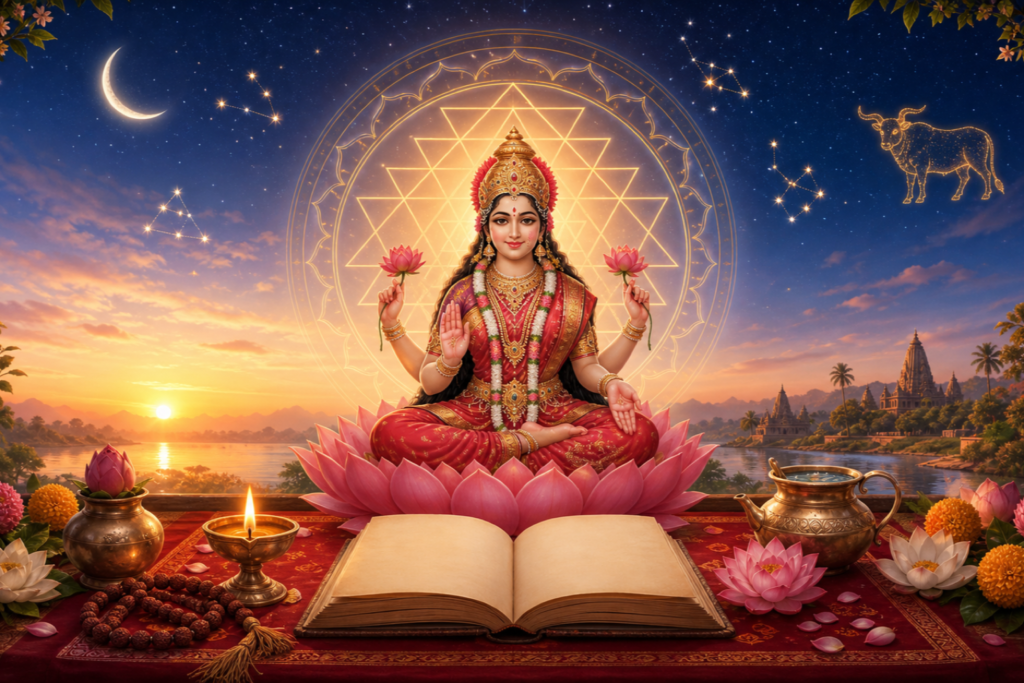
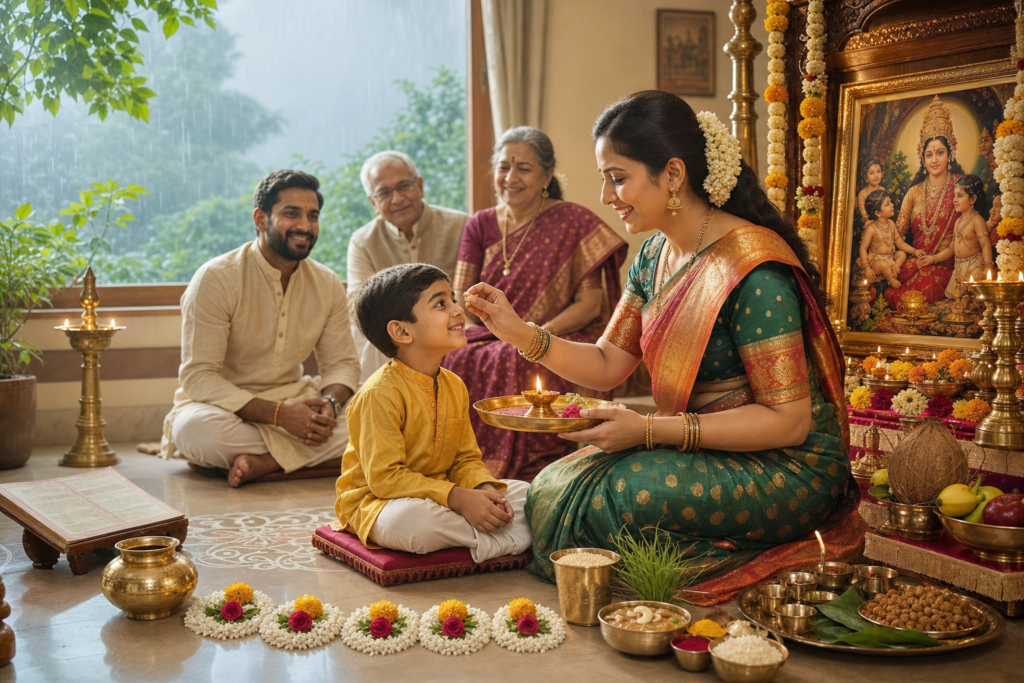
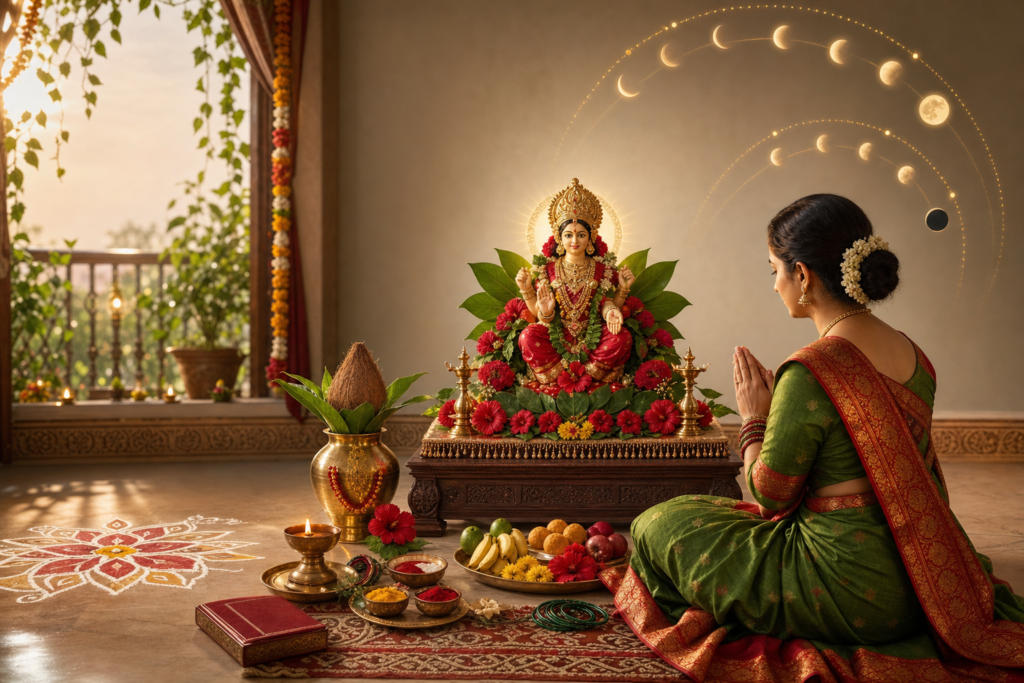
In Kerala, Thiruvathira is widely associated with vrata (vow) and graceful community customs. Women traditionally observe Thiruvathira vratham for marital well-being and familial harmony, participate in the elegant group dance Thiruvathirakali, and prepare simple, auspicious dishes such as puzhukku and koova payasam. Temples and homes alike focus on Shiva Puja, lamp-lighting, and reflective prayers before dawn when the Nakshatram is prominent.
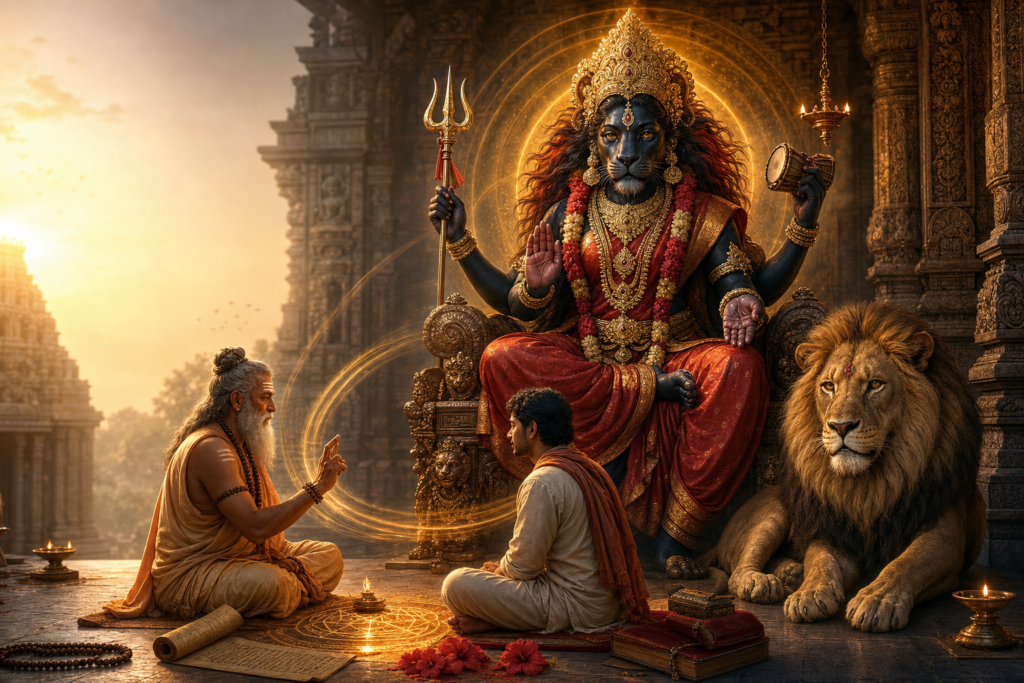
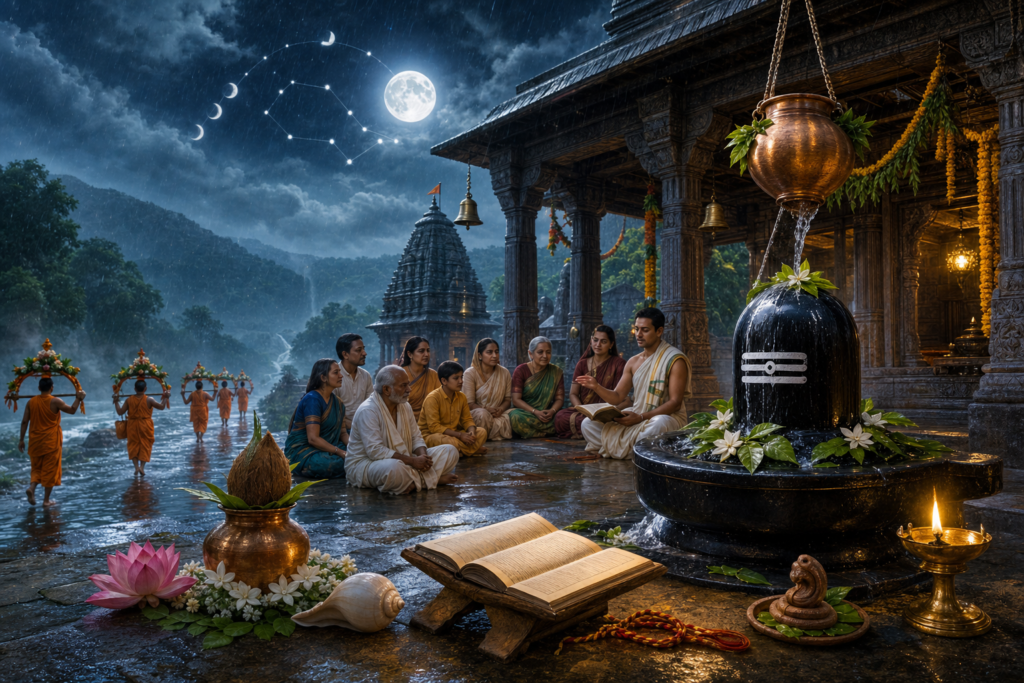
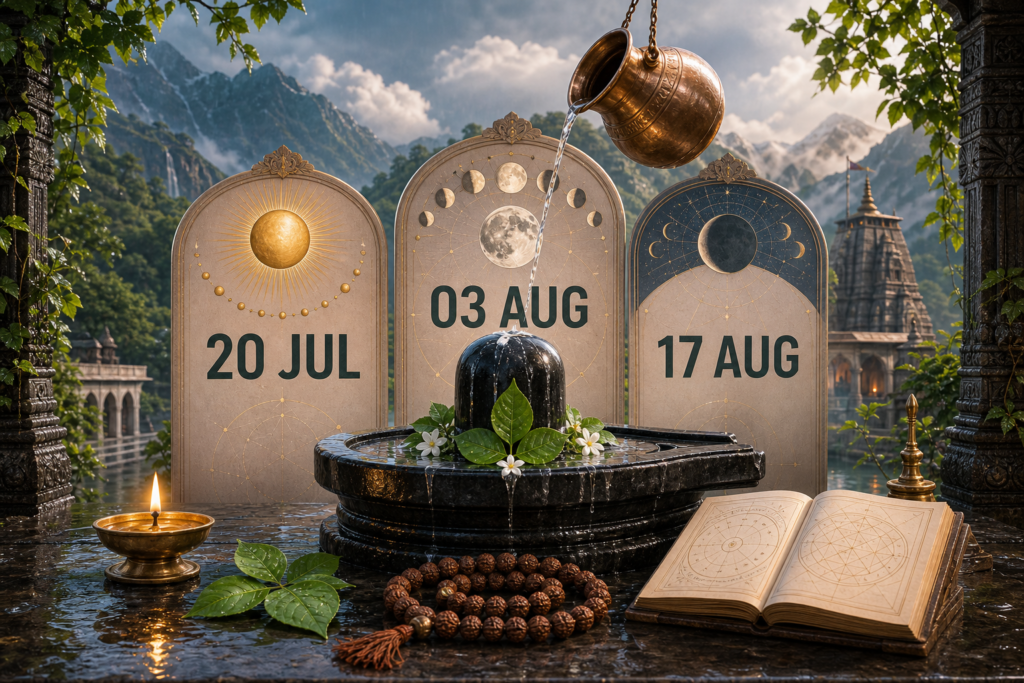
In Tamil Nadu, Arudra Darisanam is celebrated with special abhishekam and darshan of Nataraja, most famously at Chidambaram. The festival emphasizes Shiva’s Ananda Tandavathe cosmic dancesymbolizing the cycles of creation, preservation, and dissolution. This devotional lens complements Kerala’s household-centered observances, together illuminating the theological depth of the Thiruvathira–Arudra convergence.
The spiritual significance resonates with wider dharmic values shared across Hinduism, Buddhism, Jainism, and Sikhism: disciplined living (vrata), compassion, community solidarity, and reverence for cosmic order. By orienting life to sacred time and mindful practice, the festival encourages inner balance and harmony with natureideals that nurture interfaith respect within the broader dharmic family.
For devotees planning observances on January 3, 2026, customary practices include early-morning Shiva Puja, recitation of stotras, fasting or saatvik meals, and communal participation in Thiruvathirakali. Many also seek darshan at local Shiva temples or follow the Chidambaram tradition remotely, reflecting how the festival welcomes both domestic and temple-centered worship without prescribing a single form.
Thiruvathira 2026 thus offers a meaningful occasion to honor Shiva through prayer, self-restraint, and community celebration. Rooted in Dhanu and aligned with Margazhi Arudra Darisanam, it exemplifies how regional practices, culinary traditions, and temple rituals cohere into a shared devotional experience that strengthens cultural continuity and inter-dharmic unity.
Inspired by this post on Hindu Pad.