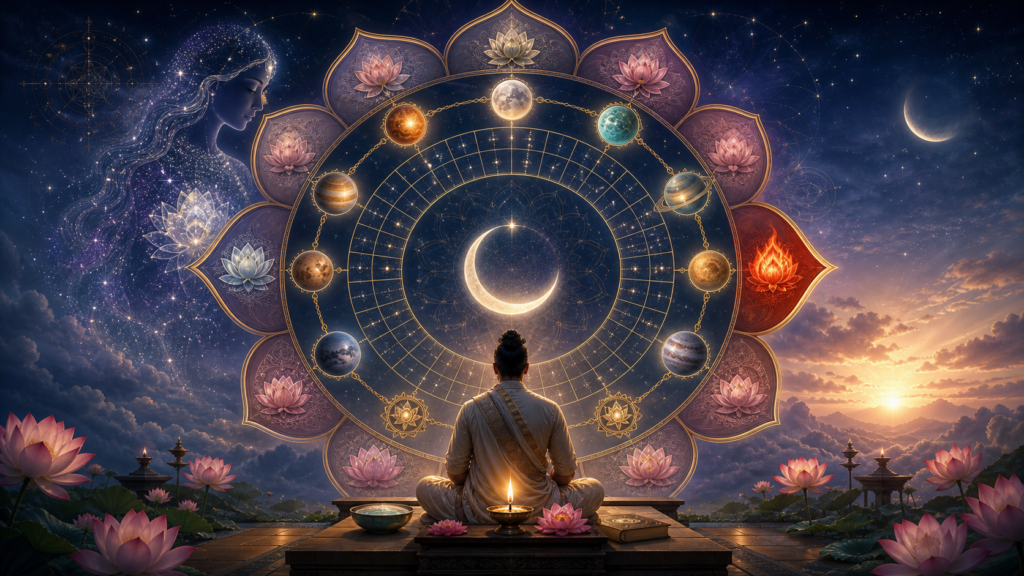
Amavasya, the No Moon day in December 2025, falls on 19 December. In North Indian purnimanta traditions, this date is recognized as Poush Amavasya, though some regional usage also refers to it as Margashirsha Amavasya. In the amanta systems followed in Telugu, Kannada, Marathi, and Gujarati calendars, the same tithi occurs in Margashirsha Month. In the Tamil calendar, it aligns with Margazhi Masam. These designations reflect regional calendrical conventions while referring to the same lunar phase.
From a calendrical perspective, Amavasya marks the close of the Krishna Paksha and the transition to Shukla Paksha. Exact Amavasya tithi start and end times vary by location and should be confirmed through a reliable local Panchang. This ensures that observances such as tarpan, daan, or vrata are performed within the active Amavasya tithi, preserving both accuracy and tradition within the Hindu calendar.
Across households, Amavasya on 19 December 2025 invites quiet introspection, remembrance of ancestors, and simple, sincere worship. Many families find the stillness of the New Moon helpful for practices like japa, meditation, and sankalpa toward compassionate action. While devotional customs differ, the emotional cadence is remarkably similar: a contemplative pause, gratitude for lineage, and renewed clarity for the month ahead.
In keeping with the shared values across dharmic traditions, the inner discipline emphasized on Amavasya resonates with Buddhist Uposatha mindfulness, Jain practices of reflection and self-restraint, and Sikh commitment to seva and simran. Though observance forms vary, the common ethos is unmistakableethical living, self-purification, and service. Approached in this spirit, Amavasya becomes an occasion for unity, strengthening bonds among Hindu, Buddhist, Jain, and Sikh communities.
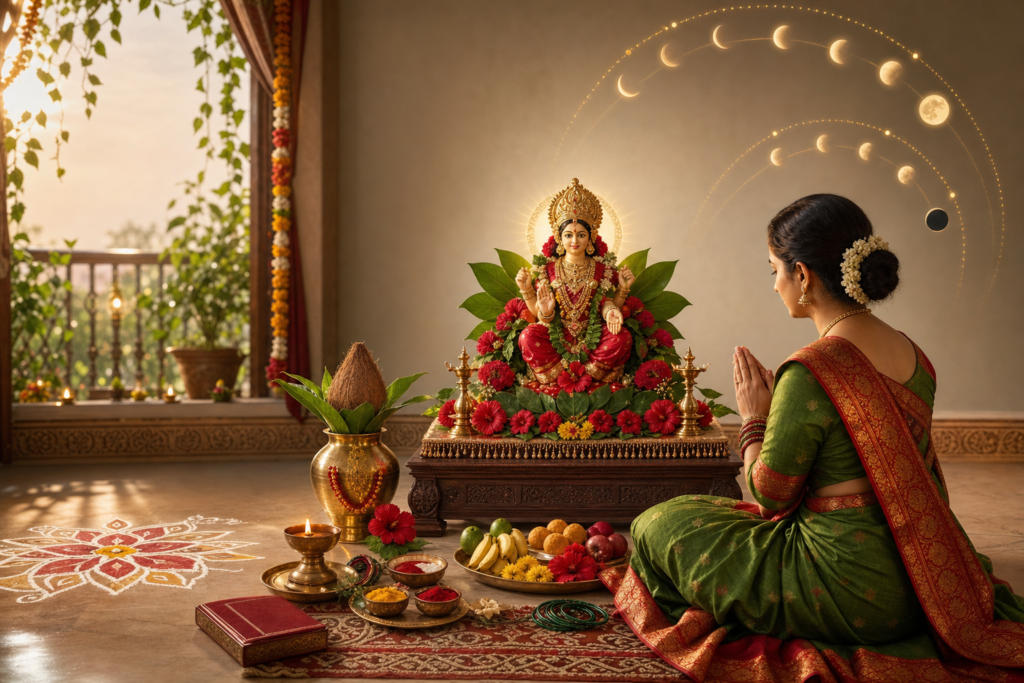
For observance on 19 December 2025, the guiding principle is to perform key rites during the active Amavasya tithi. Many choose to offer pitru tarpan with water and sesame, maintain a sattvic diet, light a diya with a prayer for well-being, and make quiet acts of charity. Those planning ceremonies or travel around this date often coordinate with Shubh Muhurat December 2025 considerations and consult the Panchang to harmonize personal schedules with auspicious timing.
Practically, clarity comes from a simple rhythm: verify the tithi locally, prepare offerings with care, keep worship unhurried, and remain attentive to intent. When observed with mindfulness and compassion, Amavasya fosters emotional steadiness, strengthens family bonds, and deepens spiritual insight. The New Moon’s quietude thus serves as both a calendrical marker and a gentle invitation to begin anew with purpose and peace.
Inspired by this post on Hindu Pad.