From 7 to 9 May 2026, Srinivasa Mangapuram Vasanthotsavams will be conducted at the Sri Kalyana Venkateswara Swamy Temple, Srinivasamangapuram (near Tirupati, Andhra Pradesh). This three-day Vasanthotsavamintegral to Vaishnava temple calendarscelebrates spring’s renewal with abhisheka, seva, music, and processional worship under the stewardship of Tirumala Tirupati Devasthanam (TTD).
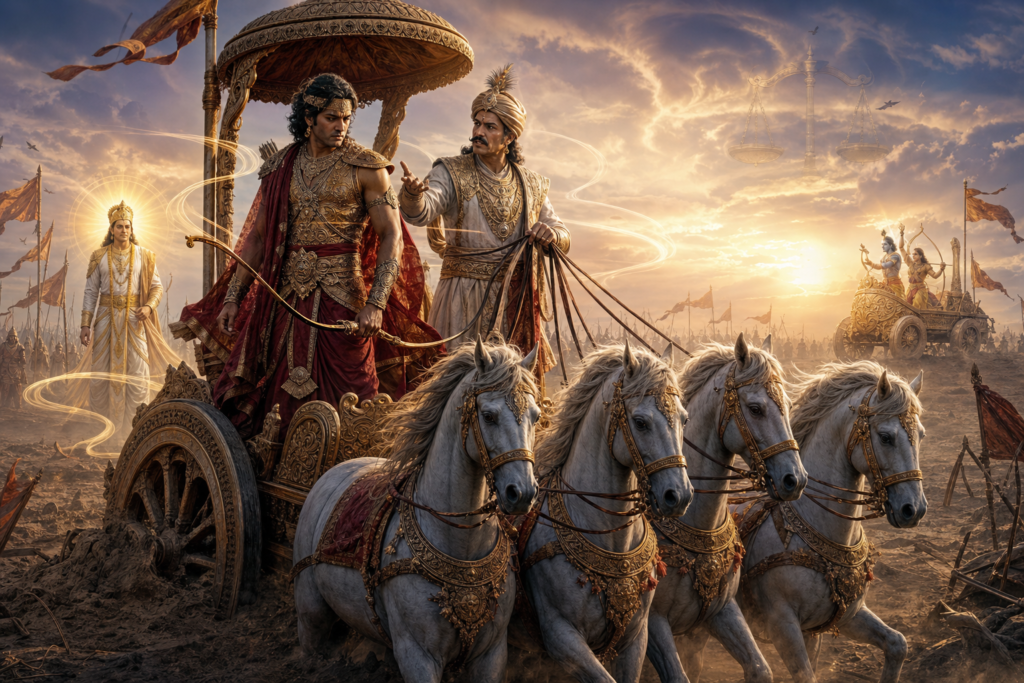
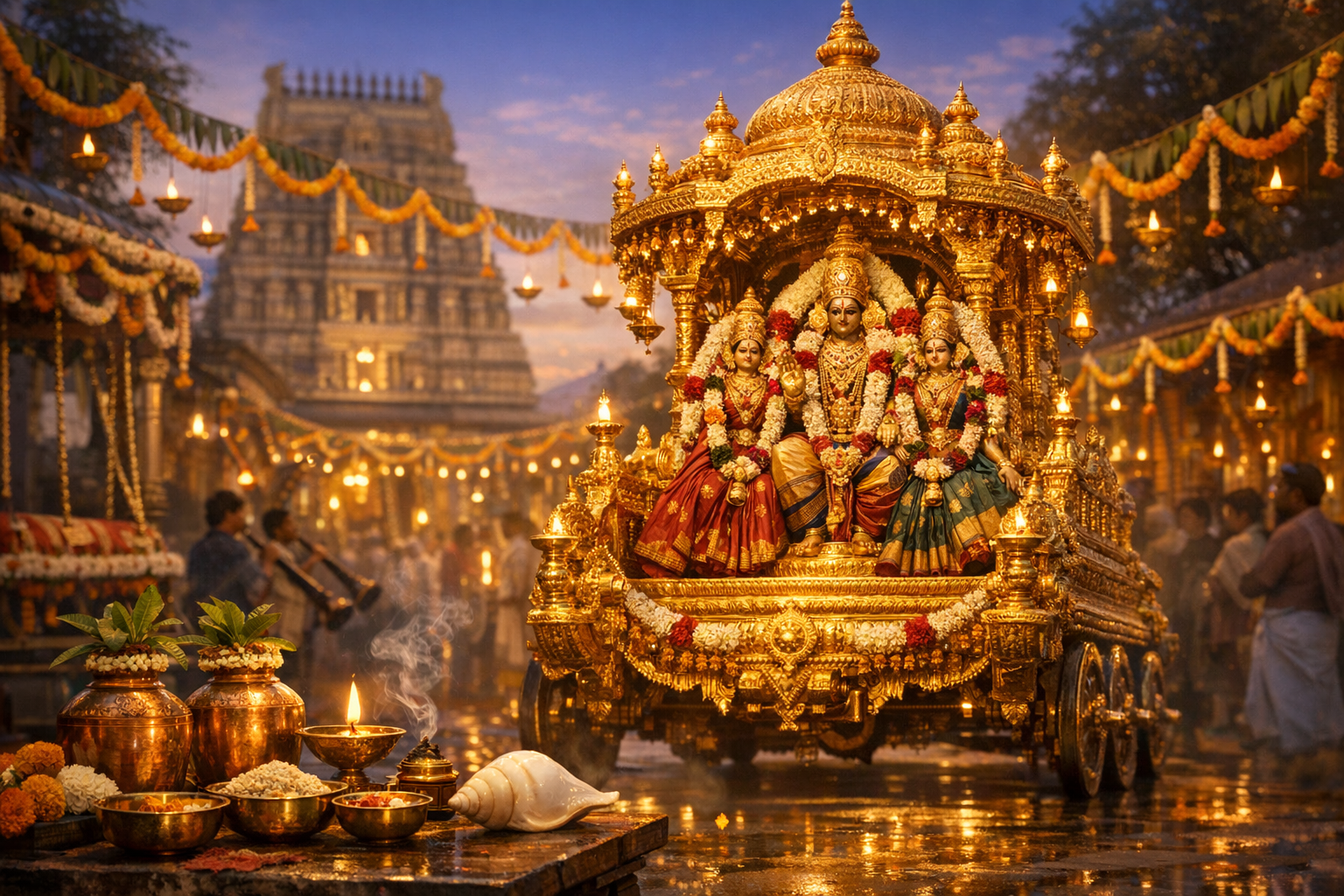
As per the festival programme, on 8 May 2026 the Lord, along with Sridevi and Bhudevi, will bless devotees on the Swarna Ratham (Golden Chariot) between 6:00 pm and 7:00 pm. The veedhi utsavam along the temple streets offers a rare, close-up darshan of Sri Kalyana Venkateswara Swamy’s resplendent procession.
Each day of Vasanthotsavams 2026 will feature Snapana Tirumanjanam, Unjal Seva, and ceremonial processions. Snapana Tirumanjanaman elaborate abhishekatraditionally employs cool, fragrant substances and Panchamrita (milk, curd, ghee, honey, and sugar), symbolically soothing the deities during Vasantha while invoking auspiciousness, health, and prosperity for the community.
Unjal Seva (swing service) in the evenings places the utsava murtis on a gently oscillating pallaki, accompanied by Veda parayanam, Divya Prabandham recitation, and Annamacharya sankeerthanas. Many devotees describe the measured cadence of the swing and the resonance of mantras as fostering a contemplative atmosphere that harmonizes breath, sound, and devotion.
The Golden Chariot (Swarna Ratham) processioncentral to the second dayexpresses the festival’s aesthetic and theological core: Sri Kalyana Venkateswara Swamy manifests in regal splendour with Sridevi and Bhudevi, reaffirming the divine partnership that upholds dharma and abundance. The luminous ratham, floral alankarams, and percussion heraldry together create an immersive darshan experience along the veedhis.
Vasanthotsavam at Srinivasa Mangapuram can also be read as a study in seasonal ritual ecology: sandal paste, tulasi, and aromatic waters used in Snapana Tirumanjanam are selected for their cooling properties; Unjal Seva’s rhythmic motion is emblematic of cosmological balance; and processions transform shared urban spaces into sacred corridors. Collectively, these observances echo a pan‑Dharmic sensibility of renewal and seva resonant across Hindu, Buddhist, Jain, and Sikh traditions.
For planning purposes, devotees may expect morning hours to be devoted to Snapana Tirumanjanam, with Unjal Seva and processions typically scheduled in the evening, subject to TTD Updates. On 8 May 2026, crowd density is generally highest around the Golden Chariot slot (6:00–7:00 pm). Arriving early, following designated queues, and adhering to movement advisories issued by temple volunteers helps ensure smooth darshan for all.
Srinivasa Mangapuram lies approximately 12 km southwest of Tirupati and is accessible by APSRTC buses, taxis, and private vehicles. Given peak footfall during Vasanthotsavams 2026, advance accommodation planning in Tirupati or nearby towns is advisable. Standard temple protocols apply: modest attire, adherence to security screening, and observance of photography restrictions within sanctified precincts.
In keeping with the inclusive ethos of TTD-managed temples, festival arrangements typically provide clear signage, water points, and queue management to support families, senior citizens, and first-time visitors. Annadanam facilities in and around Tirupati further express the spirit of seva that defines the spring cycle of worship.
Key dates and highlights: Vasanthotsavams will be held from 7–9 May 2026 at Srinivasamangapuram; daily Snapana Tirumanjanam, Unjal Seva, and processions will be conducted; and the Swarna Ratham (Golden Chariot) with Sridevi and Bhudevi is scheduled for 8 May 2026 between 6:00 pm and 7:00 pm. All timings, routes, and access arrangements remain subject to official notifications by Tirumala Tirupati Devasthanam (TTD).
By integrating scriptural liturgy, seasonal aesthetics, and community participation, Srinivasa Mangapuram Vasanthotsavams 2026 offers a well-structured opportunity for meaningful darshan. For many, the confluence of Snapana Tirumanjanam’s serenity, Unjal Seva’s meditative rhythm, and the radiance of the Golden Chariot becomes a memorable articulation of bhaktirooted in tradition, yet welcoming to the wider Dharmic family.
Inspired by this post on Hindu Pad.