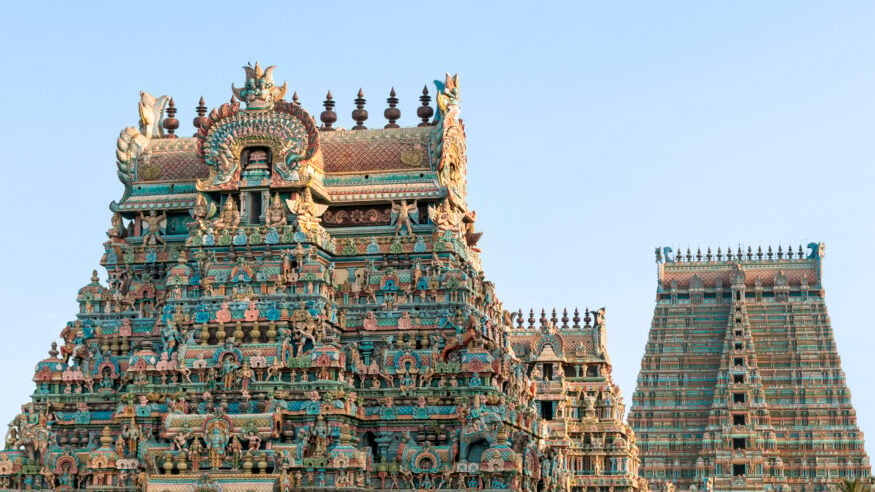
Sri Govindaraja Swamy Temple in Tirupati enters March 2026 with a spiritually charged sequence of Vaishnava observances shaped by the lunisolar calendar. While civil dates move linearly, every special festival here is anchored to tithi, nakshatra, and sunrise rules in the Panchang, making March a living classroom in sacred timekeeping and devotional practice.
As one of the most prominent Vaishnava shrines under Tirumala Tirupati Devasthanam (TTD), the temple honors Sri Govindaraja, a revered form of Vishnu associated with auspicious stewardship and prosperity. Its ritual program in March typically spans Ekadashi vratas, full-moon celebrations, evening processions on select days, and enhanced archanas aligned with the Vaishnava agamic tradition, all designed to deepen bhakti and communal harmony.
March in the regional reckoning generally overlaps with the concluding segment of Phalguna and the onset of Chaitra in the Hindu lunisolar system, while in the Tamil system it bridges Maasi and Panguni. Because tithis do not map one-to-one with the Gregorian calendar, observances can shift between adjacent civil dates; devotees planning attendance in 2026 are best served by relying on the official TTD notifications in addition to a trusted Panchang.
The month’s sacred cadence typically revolves around three anchors: Ekadashis dedicated to Vishnu, the full-moon (Purnima) cycle often associated with dolotsava-style festivities in Vaishnava spaces, and new-moon (Amavasya) observances that emphasize remembrance, contemplation, and household rites done in appropriate settings. Around these anchors, the temple’s daily and weekly sevas provide a steady devotional rhythm for residents and pilgrims alike.
Ekadashi vratastwo in most lunar monthsare an important focus for Sri Govindaraja’s devotees. Observance typically includes fasting or dietary discipline (as per personal capacity), extended japa of the divine names, Vishnu Sahasranama parayana, and tulasi-related offerings. Many find the Ekadashi ambience at the temple contemplative yet uplifting, a setting where the austerity of vrata and the gentleness of sankeertana harmonize naturally.
The full-moon of Phalguna (often coinciding with Holi in broader Indic practice) is traditionally linked with dolotsava observances in Vaishnava traditions, centering on the loving play (leela) of the Divine. Where scheduled by the temple, such celebrations emphasize beauty in alankara, grace in music, and devotion in movement, creating an atmosphere where families, elders, and children experience a shared sense of sacred joy that transcends linguistic and regional identities.
Amavasya in March invites reflective practices such as quiet parayana and acts of dana. While pitru-related rituals are household or priest-guided rites conducted according to family sampradaya and local dharma norms, the temple milieu softly reinforces the values of gratitude, memory, and humility that run through all dharmic traditions.
Daily worship at Sri Govindaraja Swamy Temple follows the Vaishnava agamas with precision: morning aradhana welcomes the deity with light, fragrance, and mantra; mid-day upacharas highlight nourishment and repose; and evening lamps draw the day to a contemplative close. Recitation of Veda mantras and Divya Prabandham verses is a hallmark of Vaishnava temple culture in Tirupati and often features as an audible thread throughout the day.
Weekly abhishekam schedules, when announced, involve the ritual bathing of the deity’s representation with sanctified substances, each chosen for specific symbolic and scriptural reasonspurity (milk), invigoration (curd), sweetness (honey), and auspiciousness (turmeric and sandal), among others. The eye for proportion and purity here exemplifies the agamic pursuit of both material and spiritual impeccability.
Kalyanotsavam, when provided as an arjitha seva at this shrine, offers devotees an opportunity to witness the celestial wedding of the Lord in a prescribed liturgical sequence. The rite underscores the cosmic union of auspicious forcesshubha-samsargareminding attendees that household harmony and social concord reflect divine order.
On select evenings, and as notified by TTD, processional utsavams (veedhi utsavams) may grace the thoroughfares around the temple. The utsava murti, richly adorned, is taken out so the deity’s presence meets people where they live and work. The confluence of nadaswaram, tavil, mantra, and lamps becomes a moving mandala of devotion that many visitors describe as both aesthetically stirring and spiritually intimate.
Behind these celebrations lies a technical scaffolding rooted in jyotisha and agama. Festival assignment to a tithi hinges on sunrise and the presence of the relevant lunar day (parva-kala). Observances such as Ekadashi adhere to well-defined “parana” rules for breaking the fast, while full-moon and new-moon rites take account of tithi transitions that can occur before or after local sunrise.
Given these precise dependencies, devotees aiming for March 2026 participation should treat civil calendars as guides rather than guarantees. The prudent practice is to verify final dates on the official TTD portal or Govinda mobile application, or by checking the temple’s local noticeboards and recognized Panchang publications that state the applicable tithi window for Tirupati, Andhra Pradesh.
Darshan planning benefits from attention to crowd cycles. Early mornings and late evenings often feel calmer, while festival peaks elevate footfall and wait times. Families traveling with elders or young children typically find it helpful to prioritize hydration, light meals compatible with vrata, and a flexible itinerary that allows for unhurried worship.
Arjitha sevas, where available, may require advance booking. Limited on-site quotas, identification requirements, and time-specific entry protocols can apply. Reviewing TTD’s latest guidelines before departure reduces uncertainty and helps ensure that individual devotional goals remain aligned with the temple’s orderly operations.
Temple etiquette is straightforward and dignified. Modest, traditional dress is appreciated; silence near sanctum areas allows the mantras to be heard and absorbed; and the flow of pilgrims is maintained by attentive volunteers who guide movement through the prakarams. Simple offerings aligned with the temple’s norms are preferred over elaborate materials that complicate logistics or environmental stewardship.
Located in Tirupati’s urban core, the temple is accessible by road and is close to major transport nodes. Because festival evenings can grow vibrant and busy, travelers often allow extra time for parking and approach, choosing shaded walkways and heeding security guidance around entrance queues and exit corridors.
The devotional experience in March is heightened by deepa aradhana at dusk, when the temple’s lamps glow against the sky and musicians usher in the evening with traditional ragas. Many visitors describe a quiet fullness at this hour: the cadence of mantra, the gentle ring of bells, and the tangible sense that a heritage of many centuries still breathes through new generations of seekers.
In keeping with the dharmic ideal of unity-in-diversity, the month’s observances affirm shared ethical values that resonate across Hinduism, Buddhism, Jainism, and Sikhismahimsa in conduct, dana in community support, satya in intention, and seva as a daily expression of compassion. The temple’s inclusive, order-loving ethos fosters a space where diverse paths converge in mutual respect.
Musically, the ambience draws from the classical grammar of nadaswaram and the rhythmic vitality of tavil, while liturgically, the Divya Prabandham recitations create a textual bridge between history and immediacy. The result is a living synthesis of sound, scripture, and sanctity that is both pedagogical and profoundly experiential.
From an agamic perspective, the sanctum’s alankara choicesflowers, fabrics, and jewel-tonesfollow ritual semantics that go beyond decoration. Color families are chosen to signal seasonal mood and theological nuance; fragrant blossoms and tulasi garlands integrate botany and bhakti; and the curated darshan sequence guides the eye from the outer courtyard to the inner core of stillness.
Environmental care has become integral to contemporary temple management. Devotees are encouraged to minimize single-use plastics, use designated disposal points, and support cleanliness in and around the shrine, recognizing that reverence for the sacred includes reverence for shared spaces and natural surroundings.
Throughout March 2026, the confluence of vrata, utsava, and daily seva at Sri Govindaraja Swamy Temple is expected to offer a complete arc of spiritual engagement: discipline for the mind, beauty for the senses, knowledge for the intellect, and devotion for the heart. The month’s lived teaching is simple yet transformativealigning personal rhythm with sacred time steadily refines intention and clarifies purpose.
Because tithi-based scheduling is definitive, devotees should consider the following planning principles for March 2026: consult the TTD announcement first, confirm tithi windows for Tirupati specifically (as regional differences can shift observance by a day), and arrive at the temple with time in hand, allowing for serene participation rather than hurried attendance.
In essence, March at Sri Govindaraja Swamy Temple is not merely a list of dates but a tapestry of meaningsfasting and feasting, procession and stillness, mantra and music, all woven into a framework that is exacting in method and generous in spirit. For many, it becomes a month remembered not by calendars alone, but by the afterglow of darshan and the quiet resolve to carry the temple’s values back into daily life.
Inspired by this post on Hindu Pad.