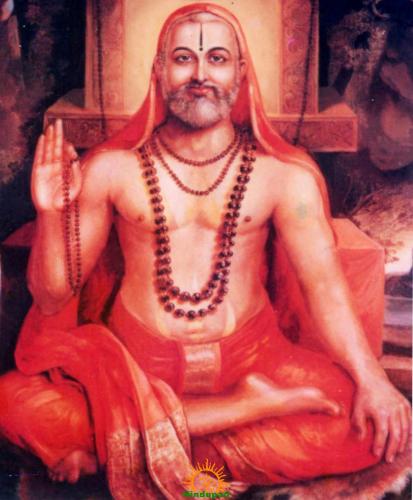
Shri Chaitanya Jayanti, also known as Gaura Purnima, commemorates the birth anniversary of Sri Chaitanya Mahaprabhu and is observed on Phalgun Purnima, the Full Moon day in the month of Phalguna. In 2026, Gaura Purnima falls on March 3, aligning with the Hindu calendar’s lunar cycle. The festival is celebrated widely across India, especially in Bengal, Odisha, Bihar, and Jharkhand, where the Bhakti Tradition associated with Chaitanya Mahaprabhu remains vibrant and enduring.
The significance of this day centers on the revival of congregational kirtan and the path of loving devotion (bhakti) that Sri Chaitanya championed. His message emphasized devotion to Sri Krishna through nama-sankirtana, humility, compassion, and service. These values resonate deeply with the broader dharmic ethos, reflecting shared principles such as ahimsa in Jainism, karuna in Buddhism, and kirtan and seva in Sikhism, thereby nurturing unity in spiritual diversity.
Customary observances on Gaura Purnima include fasting until moonrise, collective kirtan (sankirtan), reading devotional literature, and offering simple, sattvic preparations as prasada. Many devotees visit temples associated with the Gaudiya tradition and ISKCON (International Society For Krishna Consciousness), where the day is marked by immersive chanting, discourses on Chaitanya Mahaprabhu’s life, and community service. For many families, the moonrise darshan on Phalgun Purnima evokes a serene sense of renewal, turning homes and neighborhoods into spaces of shared devotion and reflective joy.
Across regions, observances carry distinct cultural textures. In Bengal and at Mayapur-Nabadwip, processions and sankirtan create a powerful devotional atmosphere; in Odisha, connections with the Jagannath tradition are foregrounded; while communities in Bihar and Jharkhand gather for bhajans, readings, and community feasts. These regional expressions underscore how cultural heritage and spiritual practice reinforce one another within the Hindu way of life.
From an academic perspective, the date of Shri Chaitanya Jayanti is determined by the tithi of Phalgun Purnima, with local panchang calculations sometimes affecting ritual timings by location. While March 3, 2026 is the widely observed date, devotees often consult a regional Hindu calendar for precise moonrise times to plan fasting and puja schedules accordingly. Such attention to calendrical detail reflects the meticulous time-reckoning embedded in the Hindu calendar.
The festival’s living legacy lies in its capacity to cultivate inner devotion alongside communal harmony. By encouraging nama-sankirtana, study, and seva, Gaura Purnima becomes not only a remembrance of Sri Chaitanya Mahaprabhu but also a celebration of unity across dharmic traditions. The shared emphasis on compassion, truth, and self-transformation strengthens bonds between communities and generations, offering a constructive, inclusive path toward spiritual well-being.
Inspired by this post on Hindu Pad.