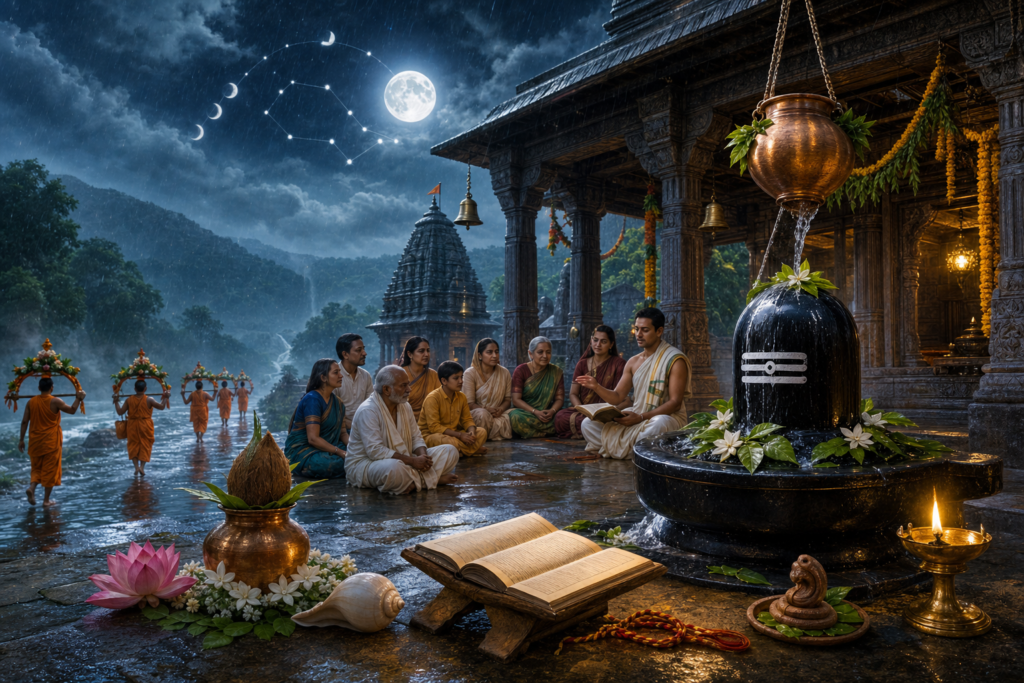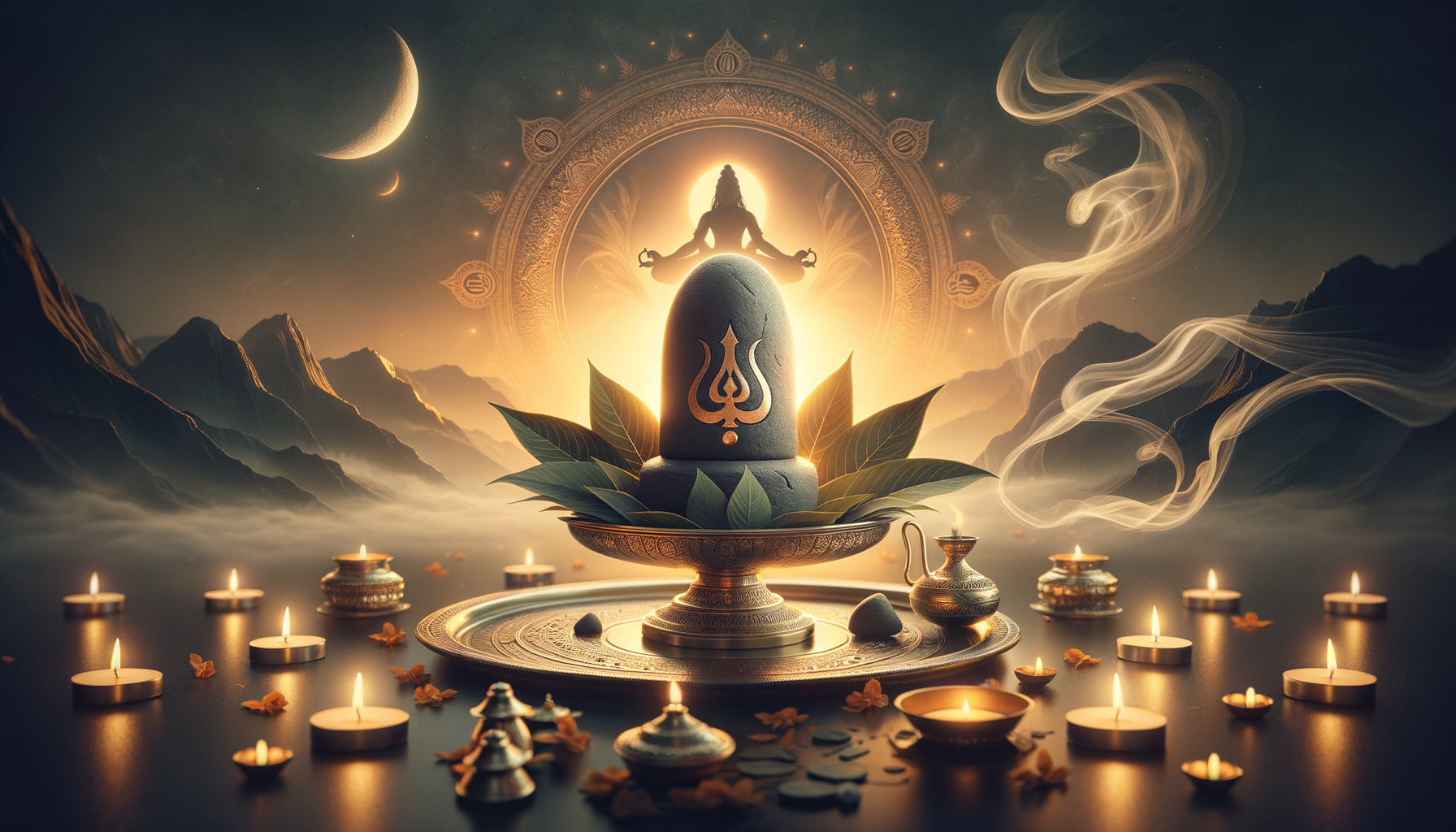
Pradosham, also known as Pradosh vratham, is a sacred vrata dedicated to Lord Shiva and observed on the thirteenth lunar day (Trayodashi) of both fortnightsShukla Paksha and Krishna Pakshain the Hindu calendar. In 2026, this twilight observance continues to offer devotees a structured path for inner stillness, blessings, and renewal, with each occasion aligning with the auspicious Pradosha Kaala (the period just before and after sunset).
The core disciplines of Pradosham include Shivalinga puja during Pradosha Kaala and the observance of fasting (upavasa) according to health, age, and tradition. Many households perform abhishekam to the Shivalinga, offer bilva leaves, light lamps, chant “Om Namah Shivaya,” and meditate on Shiva’s grace. These practices are complemented by quiet reflection and the study of Shaiva stotras, aligning devotion with mindfulness and ethical living.
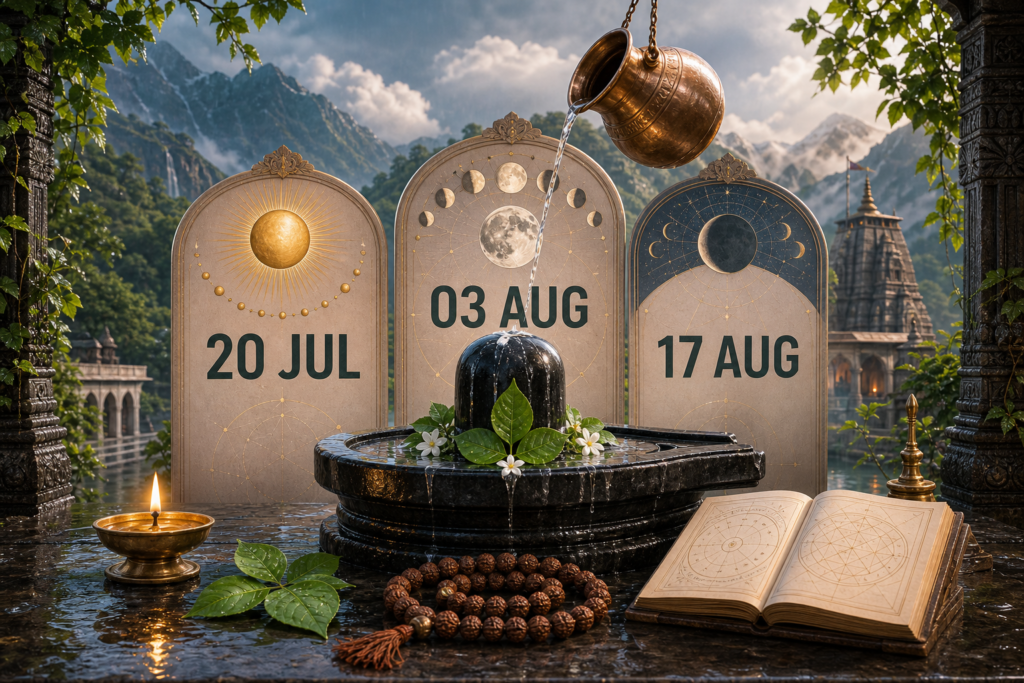
Across the year, different Pradoshams carry specific emphases. Shani Pradosha (Saturday) is often associated with discipline, karmic reflection, and steadiness of mind; Soma Pradosham (Monday) highlights healing, compassion, and serenity under Shiva’s benevolent aspect; Bhaum Pradosh (Tuesday) is traditionally linked to courage, vitality, and the balanced channeling of energy. Each observance, while rooted in Shaivism, resonates with shared dharmic valuesrestraint, meditation, compassion, and servicehonored across Hindu, Buddhist, Jain, and Sikh traditions.
For Pradosh 2026 dates and precise Pradosha Kaala, local panchang and temple schedules should be consulted, as sunrise and sunset timings vary by location and time zone. Because the vrata centers on the twilight window, accurate timing ensures that puja and meditation align with the most auspicious period. Devotees commonly mark both Shukla Paksha and Krishna Paksha Trayodashi each lunar month, noting any regional customs observed by their family or temple.
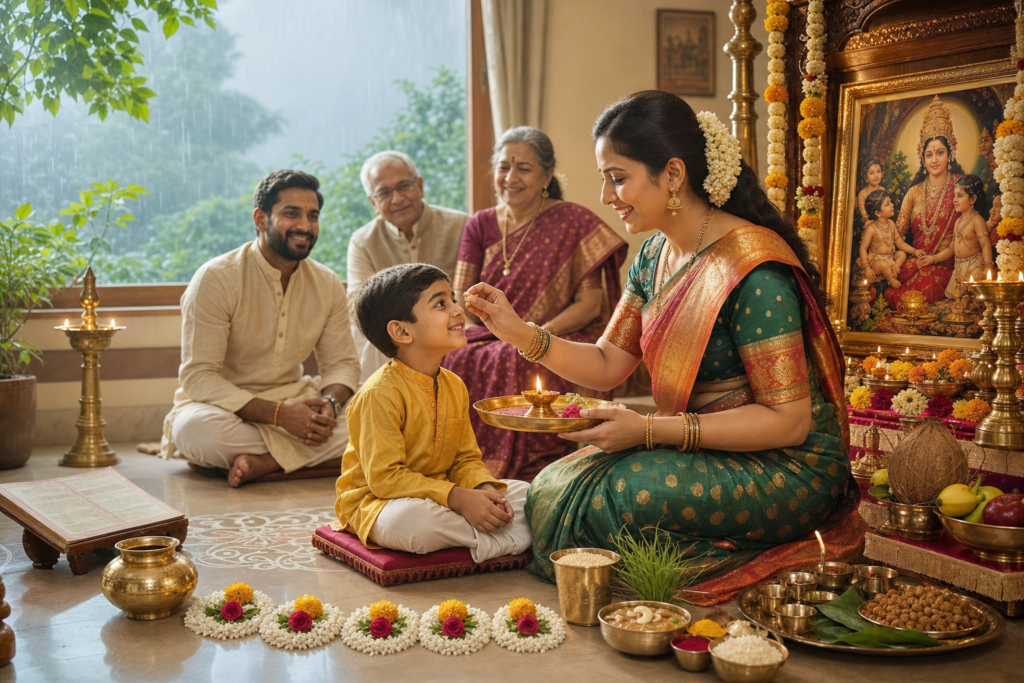
A simple home observance typically includes cleaning the altar, lighting a lamp at sunset, performing Shivalinga puja with water, milk, or panchamrita as per tradition, and offering bilva leaves. Silent japa or soft kirtan, followed by a brief reading from sacred texts and a moment of gratitude, reinforces the vrata’s spirit. This sequence remains accessible to families, students, and professionals seeking a contemplative pause within daily life.
Many families describe Pradosham evenings as quietly transformativethe home growing still as lamps are lit, children joining with simple offerings, and elders guiding the puja. Communities frequently report a shared sense of calm, mutual care, and renewed clarity afterward. Such lived experiences underline Pradosham’s purpose: harmonizing devotion and discipline to cultivate inner peace and compassionate action.
Fasting during Pradosh vratham may be full, partial, or sattvic-diet based, depending on capacity and health considerations. Elders, children, and those with medical needs often adopt gentle modifications while preserving the vrata’s essence through prayer, meditation, and mindful conduct. Hydration, balanced nutrition, and rest ensure the observance remains both safe and spiritually effective.
Temples across India and the diaspora celebrate Pradosham with special alankaras, abhishekas, and Shiva-bhajans during Pradosha Kaala. Iconography often evokes Nataraja’s dance of cosmic rhythm and renewal, mirroring the devotee’s inner aspiration to shed inertia and ignorance. The collective atmospherebells, chants, lamps, and fragranceanchors the memory and meaning of Pradosh 2026 for families and communities alike.
While Pradosham is a Shaiva observance, its disciplinesethical restraint, contemplation, compassion, and inner balancespeak to the unifying ethos of dharmic traditions. Observers frequently note parallels with practices of mindfulness, self-discipline, and seva that enrich spiritual life across diverse paths. In this spirit, Pradosh 2026 invites a shared commitment to peace, responsibility, and harmony in society.
Practices may vary by sampradaya and regional custom; consulting family elders, local temples, or trusted panchang resources helps align observance with lineage and location. Approached with sincerity and wisdom, Pradosham offers a dependable rhythm for spiritual growth throughout 2026honoring Lord Shiva while nurturing unity, wellbeing, and grace.
Inspired by this post on Hindu Pad.