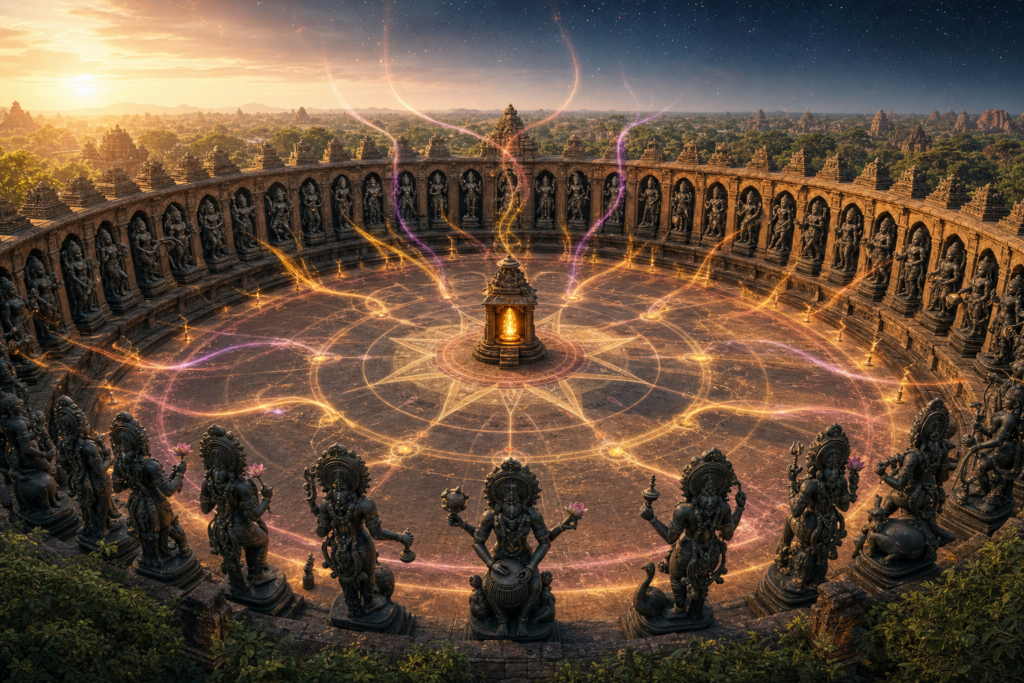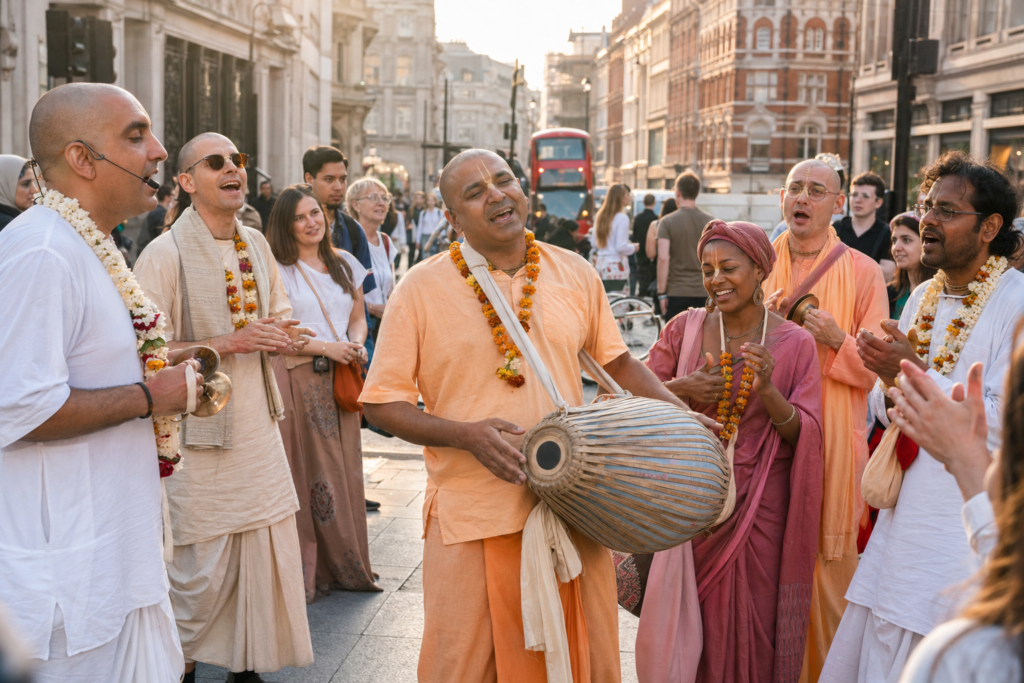
Pancha Ganapati, also known as Pancha Ganesh vrat, is a five-day Hindu festival observed annually from December 21 to December 25 in honor of Panchamukha Ganapati, the five-faced form of Ganesha. As a modern observance with classical roots, it emphasizes daily puja and sadhana that cultivate harmony within the self, the family, and the wider community at the close of the year.
Celebrated in households across the world, the festival integrates devotion (bhakti), ethical reflection, and generous action. Its themes resonate with shared dharmic valuessuch as ahimsa, dana, seva, and maitriupheld within Hinduism, Buddhism, Jainism, and Sikhism, thereby encouraging unity across dharmic traditions while honoring distinct practices.
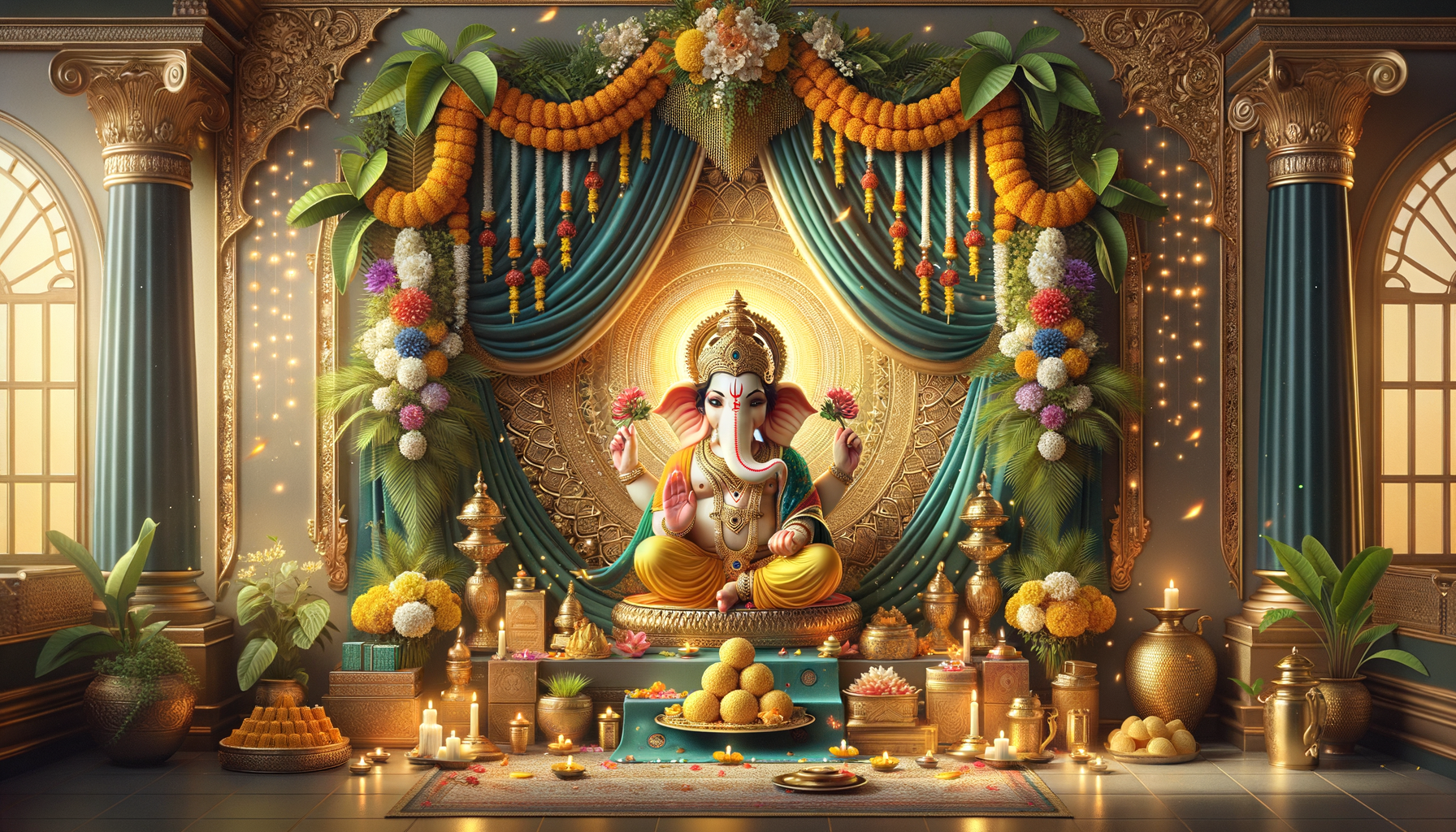
Central to Pancha Ganapati is a home shrine dedicated to Panchamukha Ganapati. Devotees often adorn the altar with seasonal greenery, flowers, lights, and a Ganesha idol, offering sweets (especially modaka and laddu), fruits, incense, and lamps. Each day features a symbolic color and focused intentions; wrapped gifts placed at the shrine are traditionally opened on the fifth day, reinforcing patience, gratitude, and collective joy.
Day 1 (Golden Yellow) emphasizes family harmony. The day’s sadhana encourages sincere reconciliation within the household, heartfelt conversation, and the renewal of mutual trust. Simple home puja, mantra japa, and prasada sharing are combined with small acts of appreciation that strengthen familial bonds.
Day 2 (Royal Blue) extends goodwill to relatives, neighbors, and friends. Devotees reach out to mend old misunderstandings, express gratitude, and revive meaningful relationships. The intention is to expand the circle of harmony beyond the home, cultivating friendship and social cohesion.
Day 3 (Ruby Red) centers on colleagues, clients, and professional ethics. Reflection focuses on integrity in work, fair exchanges, and settlement of dues. This day’s observances align prosperity with righteousness, acknowledging that true abundance rests on honesty and responsibility.
Day 4 (Emerald Green) honors culture, arts, and charitable giving. Families engage with music, literature, and community service, supporting initiatives that preserve heritage and uplift society. The emphasis on dana and seva turns devotion into tangible benefit for others.
Day 5 (Brilliant Orange) culminates in dharma and spiritual renewal. Households study sacred texts, take new sankalpas, perform arati with special fervor, and finally open the gifts offered through the week. The closing sadhana affirms inner clarity, auspiciousness, and the aspiration to live by dharma in the year ahead.
A simple home puja procedure is commonly followed each day: gently cleanse the space and mind, state a clear sankalpa, invoke Ganesha, and offer the Panchopacharagandha (sandal paste), pushpa (flowers), dhupa (incense), dipa (lamp), and naivedya (sweets or fruits). Conclude with mantra japa, arati, pradakshina, and pranams, then share prasada within the family.
Mantra recitation such as “Om Gam Ganapataye Namah” is practiced according to one’s capacity, in silence or aloud, balancing disciplined sadhana with mindful togetherness. The festival’s structure invites steady inner workbrief, sincere, and consistentso the heart of the practice remains accessible to all generations.
Pancha Ganapati’s inclusive spirit encourages inter-household goodwill and respectful engagement with neighbors and local communities. In diverse settings, families may integrate parallel dharmic virtuescompassion, generosity, and servicewhile maintaining fidelity to their own traditions, thus strengthening social harmony.
Observed on fixed solar dates (December 21–25), Pancha Ganapati brings devotional focus to the year’s end. By uniting daily puja, ethical reflection, and joyful celebration, the festival nurtures inner peace, reconciles relationships, and affirms a shared commitment to dharma-centered living.
Inspired by this post on Hindu Pad.