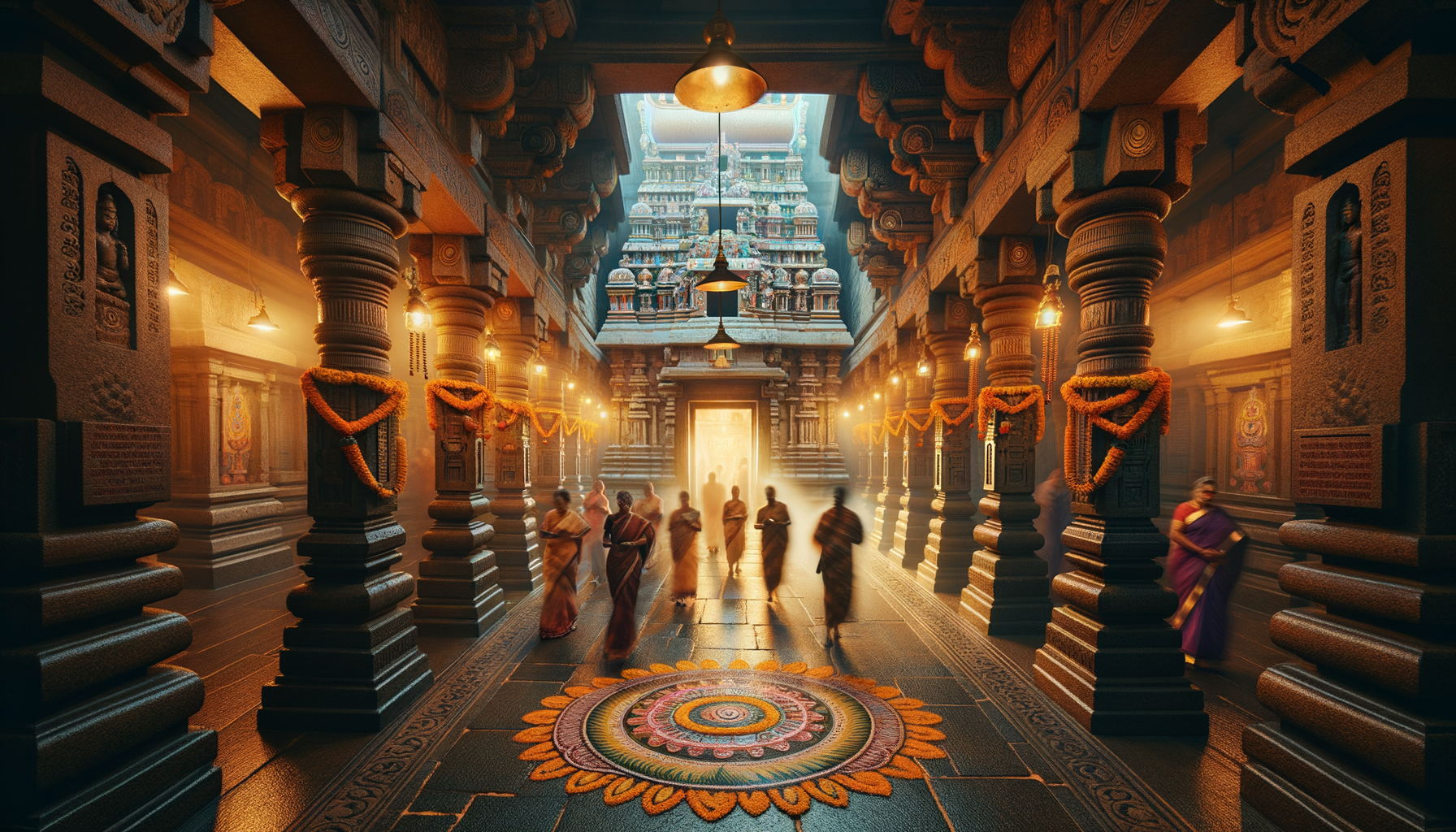
Mukkoti Pradakshinam is a rare circumambulatory passage that encircles the sanctum sanctorum of the Tirumala Tirupati Sri Balaji Temple (Sri Venkateswara). It is opened only twice a year, on Vaikunta Ekadasi and Vaikunta Dwadasi. In 2025, devotees may undertake this sacred circumambulation on December 30 (Mukkoti Ekadashi) and December 31 (Mukkoti Dwadasi).
The term “Mukkoti” evokes the traditional belief of “three crores” of divine beings, symbolizing the vast presence of grace associated with these auspicious observances. The pathway’s opening is regarded as a spiritually charged moment, when countless pilgrims converge upon Tirumala seeking darshan and the transformative merit of pradakshina in close proximity to the deity.
Pradakshina, or circumambulation, holds deep symbolic meaning in Hindu practice: moving clockwise around the sanctum signifies aligning thought, word, and deed with the center of divinity. On Vaikunta Ekadasi and Vaikunta Dwadasi, the experience within this inner pathway is especially venerated as devotees maintain contemplative focus, chant softly, and move with reverence, reinforcing the ideal of inner purification and devotion to Sri Venkateswara.
This tradition also resonates with the broader dharmic ethos of unity across Hinduism, Buddhism, Jainism, and Sikhism. Circumambulatory practicesparikrama around temple garbhagrihas and mandapas, clockwise movement around Buddhist stupas, meditative circuits in Jain temples, and parikrama at Sikh gurdwarasreflect a shared spiritual grammar. Mukkoti Pradakshinam thus stands as a reminder that sacred movement around the divine center fosters humility, harmony, and interconnectedness across dharmic traditions.
Given the unique access to this closed pathway, Tirumala Tirupati Devasthanam (TTD) typically implements careful crowd management and devotional protocols to preserve sanctity and safety. Visitors are encouraged to plan their Hindu pilgrimage responsibly, maintain decorum, and uphold temple guidelines, ensuring an experience grounded in respect, serenity, and collective well-being.
With the 2025 datesDecember 30 and December 31set for Mukkoti Pradakshinam, the observance offers an exceptional opportunity to participate in an ancient temple tradition at Tirumala. The rite’s academic and spiritual significance lies in its capacity to center the devotee, deepen the meaning of Vaikunta Ekadasi and Vaikunta Dwadasi, and reaffirm the unity of dharmic values through the simple, profound act of sacred circumambulation.
Inspired by this post on Hindu Pad.