Magh Purnimaalso known as Maha Maghifalls on 1 February 2026 in the Hindu calendar. This Full Moon marks the culmination of the sacred Magh month, a period traditionally associated with purification, charity, contemplation, and collective well-being. The observance invites a calm, reflective pause, aligning intention with action and bringing families and communities together across dharmic traditions.
Timing (India Standard Time): the Purnima tithi begins at 5:52 AM on 1 February 2026 and ends at 3:38 AM on 2 February 2026. Many traditions consider the date on which the tithi prevails at sunrise, while others prioritize the most auspicious window during the Full Moon itself. Checking a trusted local panchang ensures alignment with regional practice and temple schedules.
In the Hindu calendar’s Magh month, Magh Purnima carries a deep emphasis on snan (ritual bathing), daan (charity), vrata (vow-based observance), and meditative practices. Simple actssuch as offering food, supporting community kitchens, reciting mantras, or observing mindfulnessembody compassion and service. These values resonate across the broader dharmic familyHinduism, Buddhism, Jainism, and Sikhismwhere inner clarity, ethical action, and community care are upheld as shared ideals.
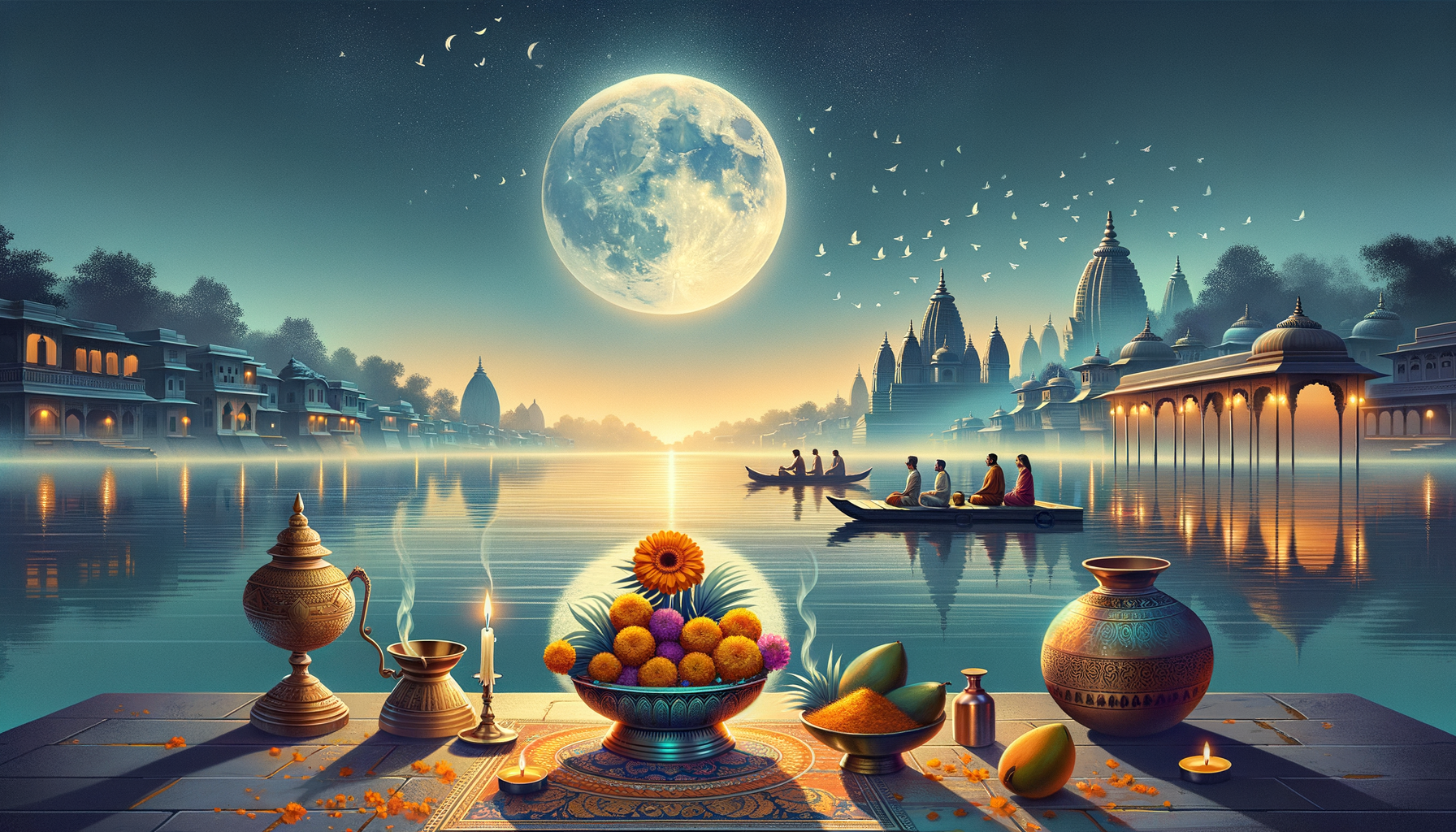
For households and communities, thoughtful planning enhances the observance: an early-morning snan on 1 February, quiet recitation or meditation during the Full Moon, and charitable giving that supports local needs can meaningfully structure the day. Moonrise darshan often adds a serene, contemplative close; many find that lighting a simple lamp and practicing gratitude under the Full Moon deepens emotional balance and spiritual focus.
Regional calendars express the Full Moon with varying nomenclature and month reckoning. In Tamil traditions, the Full Moon is commonly referred to as Pournami, and naming by solar months may differ even though the lunar phase is the same. Local almanacs and temples can clarify any regional nuances while preserving the essential sanctity and timing of the day.
As an anchoring Full Moon in early 2026, Magh Purnima (Maha Maghi) encourages unity in diversityhonoring distinct customs while embracing shared principles of compassion, self-discipline, and service. Observing the Purnima with mindfulness and generosity transforms a celestial event into a lived experience of collective upliftment, reinforcing bonds within and across dharmic traditions.
Quick reference: Purnima (Magh Purnima/Maha Maghi) in February 2026 falls on 1 February; tithi from 1 February 5:52 AM to 2 February 3:38 AM (IST). For location-specific muhurta and temple programs, consult a reliable regional panchang.
Inspired by this post on Hindu Pad.