Magh Mela, an enduring confluence of faith and discipline, is observed across the Magh and Falgun months for nearly forty-five days. In 2026, the observance begins on January 3 and concludes on February 1. Centered at the Prayag Sangam in Allahabad (Prayagraj), where the Ganga, Yamuna, and the mystical Saraswati convergerevered as the Triveni Sangamthe Mela draws millions who undertake the sacred Magh Snan as an act of purification, reflection, and renewal.
The spiritual significance of the Magh Snan lies in its synthesis of inner austerity and communal devotion. Participants observe daily bathing, vrata, japa, and seva, aligning personal discipline with a collective aspiration for well-being. The ethos of the Mela resonates across the dharmic traditions of Hinduism, Buddhism, Jainism, and Sikhism, which value purity, compassion, and self-restraint. This inclusive spirit underscores unity in diversityhonoring shared reverence for sacred rivers and the transformative potential of sincere practice.
Within the 2026 window, key bathing observances typically include Poush Purnima (which often marks the onset of major snan), Makar Sankranti, Mauni Amavasya (traditionally the most auspicious snan), Basant Panchami, Maghi Purnima, and Maha Shivratri. These tithi-based days elevate the spiritual intensity of the Mela, and participants are advised to consult a reliable panchang for exact local timings and muhurta. The rhythm of these observances reflects the timeless cadence of the lunar calendar and the cumulative merit ascribed to disciplined participation during Magh Month.
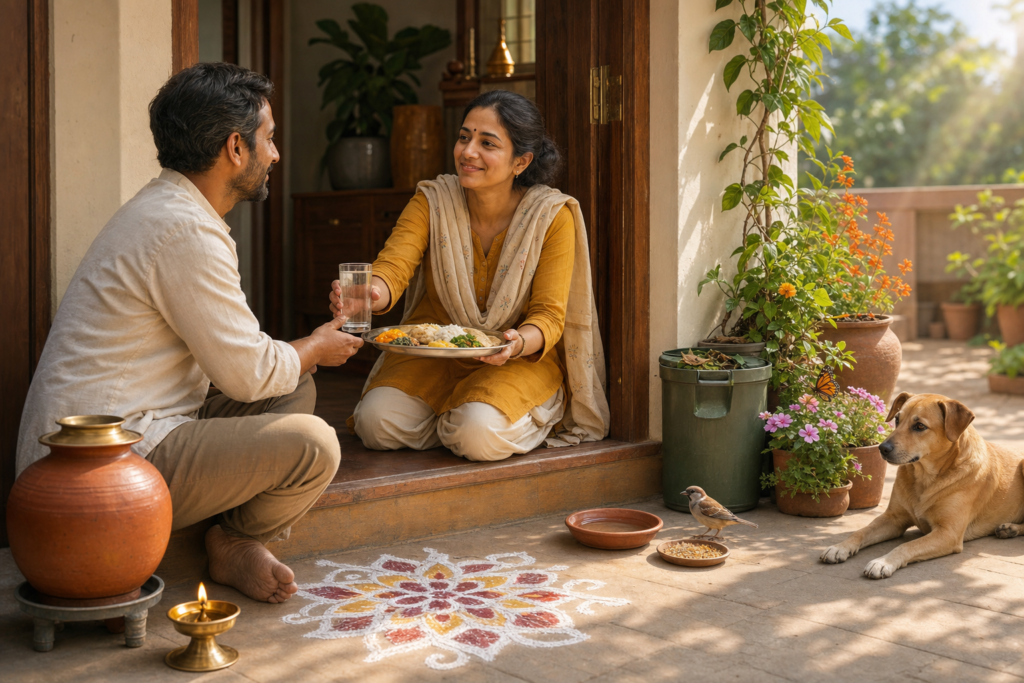
Practical readiness enhances the pilgrimage experience: arriving early on major snan days, following designated routes, and observing safety advisories supports both personal well-being and community flow. Eco-conscious practicessuch as minimizing plastic, respecting riverbanks, and participating in cleanliness driveshonor the sanctity of the Triveni Sangam. Simple acts of dana and shared meals reinforce the Mela’s social fabric, turning spiritual aspiration into tangible compassion.
Culturally, the Magh Mela enshrines continuity. Families often return across generations, narrating how the pre-dawn chill of the river, the cadence of mantras, and the quiet of Mauni Amavasya kindle inner steadiness. Many describe a felt sense of clarity following the dipan experience framed not as spectacle, but as sadhana. Such accounts, while personal, are remarkably consistent and align with classical descriptions of tapas and tirtha-yatra as vehicles for purification and resolve.
As a living tradition, the Magh Mela invites seekers, scholars, and families alike to engage with a practice that is at once intimate and collective. Whether one participates at Prayagraj (Allahabad) or observes the discipline from afar through prayer, study, and meditation, the intention of Maghself-refinement, service, and unityremains accessible. In 2026, the period from January 3 to February 1 offers a focused opportunity to align with this sacred current at the Triveni Sangam.
Inspired by this post on Hindu Pad.