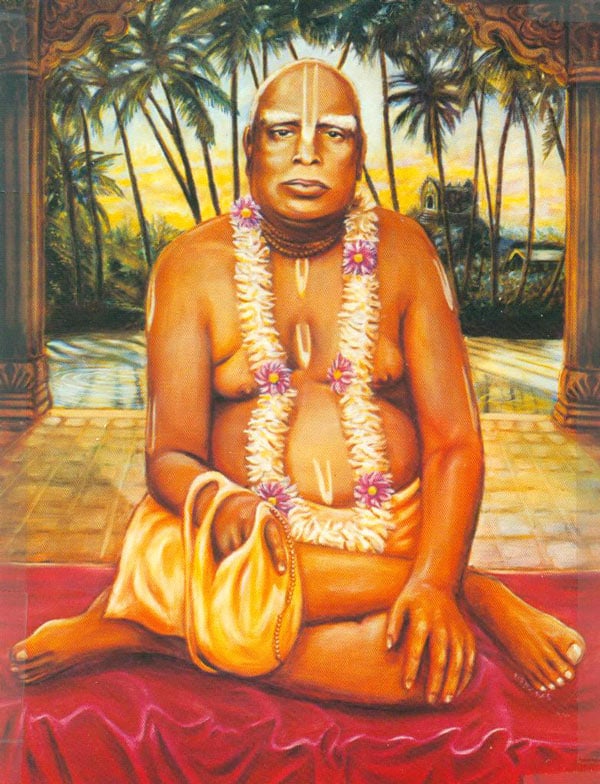
Harsu Brahma Jayanti marks the birth anniversary of Harsu Brahmaji and is observed with reverence for his steadfast devotion and moral courage. In 2026, Harsu Brahma Jayanti falls on January 27. Communities in Bihar and beyond remember Harsu Brahma Pandey as a Kanyakubja priest associated with the kingdom of Raja Saliwahan, whose life story reflects a principled stand for dharma and justice.
Regional oral histories recount that Harsu Brahma Pandey lost his life during a protest connected to the demolition of his dwelling, a moment framed in local memory as a courageous affirmation of dignity and righteous conduct. Presented with scholarly restraint, this remembrance does not dwell on contention; rather, it emphasizes how the narrative inspires ethical reflection, community solidarity, and a shared commitment to harmonious living.
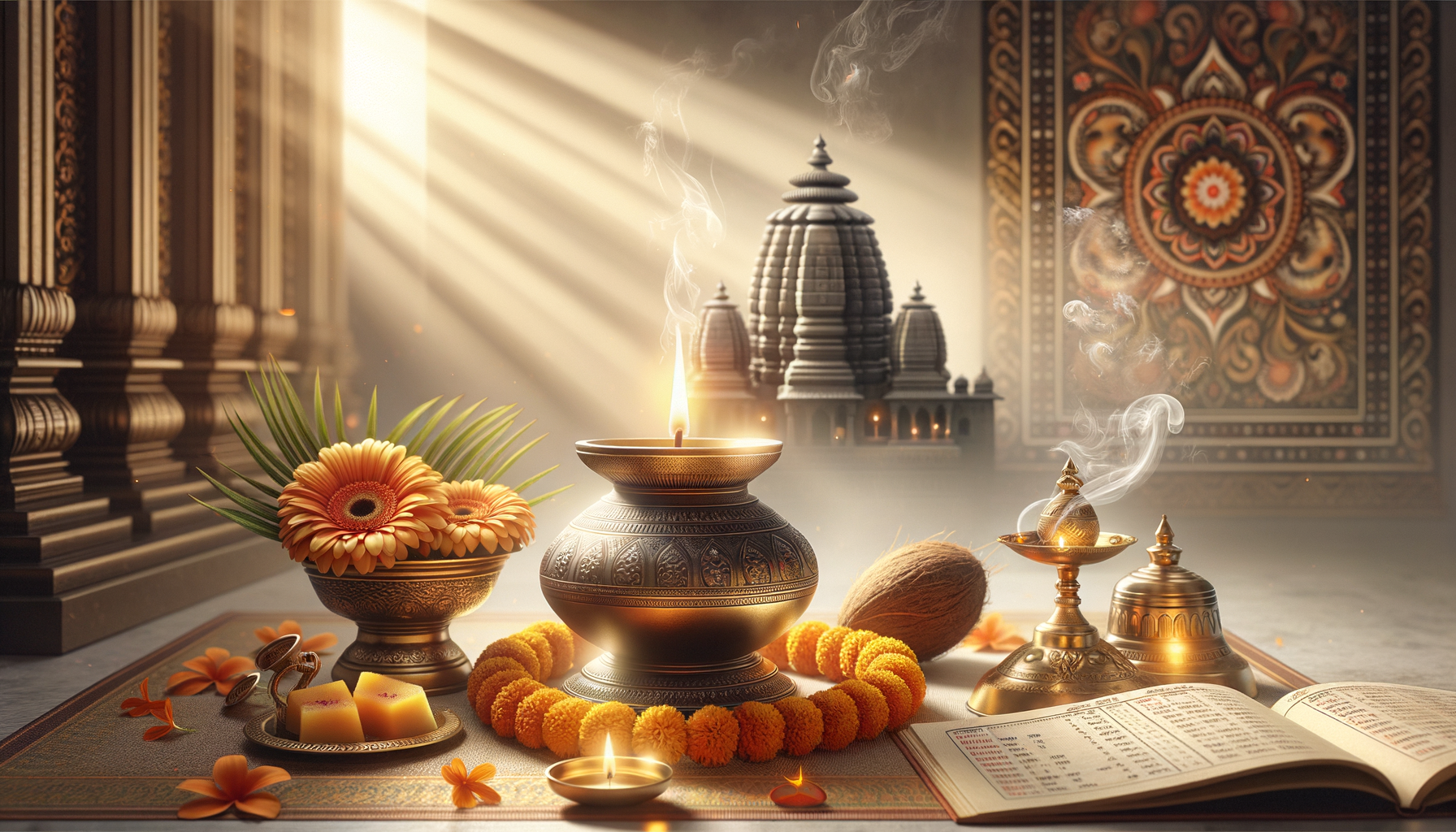
The spiritual significance of Harsu Brahma Jayanti lies in the values it elevates: integrity, service (seva), and steadfast faith. Observances typically include simple home puja, temple visits, stotra recitations, lighting a diya, and acts of charity such as annadanam. For many families, the day evokes intergenerational storytellingelders recalling how devotion and duty can guide households through adversitythereby turning memory into a living ethic.
Regarding the Harsu Brahma Tithi, devotees often consult a local Panchang to align rituals with the lunar timings observed in their region. While the commonly referenced date in 2026 is January 27, regional tithi calculations may vary. In practice, communities undertake sankalpa in the morning hours, perform puja with offerings, and conclude with prayers for collective well-being and social harmony.
Commemorations in Bihar frequently blend devotion with community service, underscoring a cultural continuity where remembrance and responsibility go hand in hand. The day encourages reflective reading, kirtan, and satsang focused on the ideals of courage, compassion, and fairnessvirtues that resonate across Hindu, Buddhist, Jain, and Sikh traditions. In this way, Harsu Brahma Jayanti serves as a unifying moment in the broader dharmic ethos.
Those seeking a mindful observance can consider three essentials: a calm, uncluttered puja space; sincere recitation of prayers or mantras known to the family; and a small act of service directed toward those in need. Such practices, carried out with humility and intention, honor both the historical legacy of Harsu Brahmaji and the living spirit of dharma within contemporary society.
Ultimately, Harsu Brahma Jayanti 2026 invites a renewed dedication to ethical courage and community harmony. By turning remembrance into compassionate action, the observance transforms personal veneration into social well-beingaligning devotion with dharma and nurturing unity within the diverse tapestry of India’s spiritual traditions.
Inspired by this post on Hindu Pad.