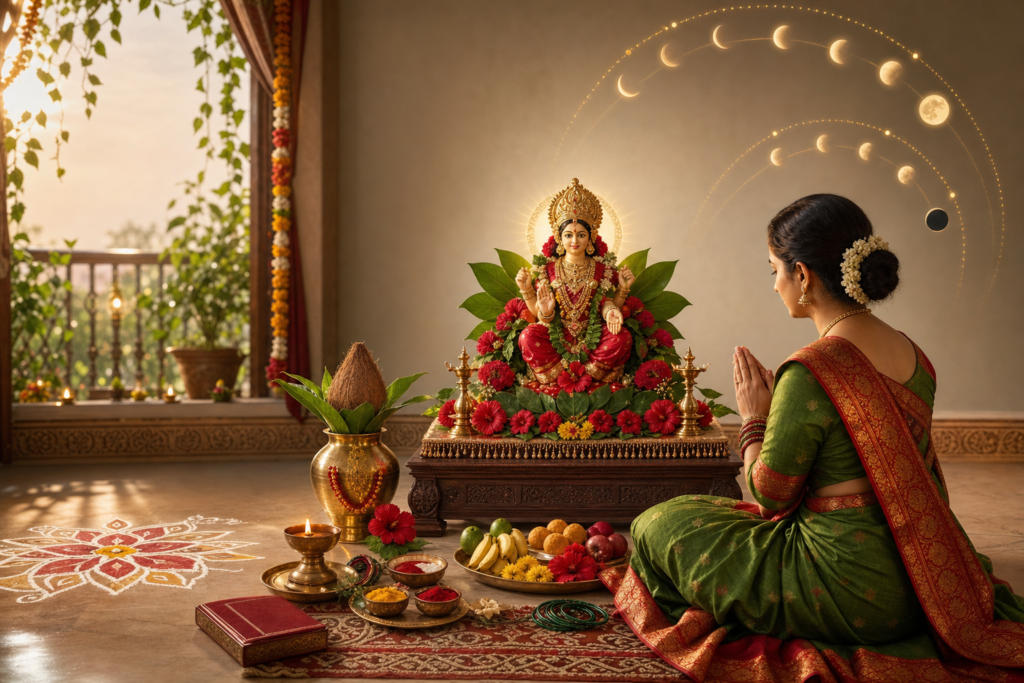
Kuravi Veerabhadra Swamy Temple in the Mahabubabad district of Telangana sustains a vibrant calendar of annual observances dedicated to Bhadrakali Sametha Sri Veerabhadra Swamy. Among these, Makara Sankranti stands out for its special poojas and the evocative Pallaki Procession (Grama Seva), a ritual that extends the sanctum’s grace to the surrounding community. The festival cycle at Kuravi reflects how Hindu temple traditions in Telangana integrate cosmic timekeeping, local devotion, and community welfare into a coherent living heritage.
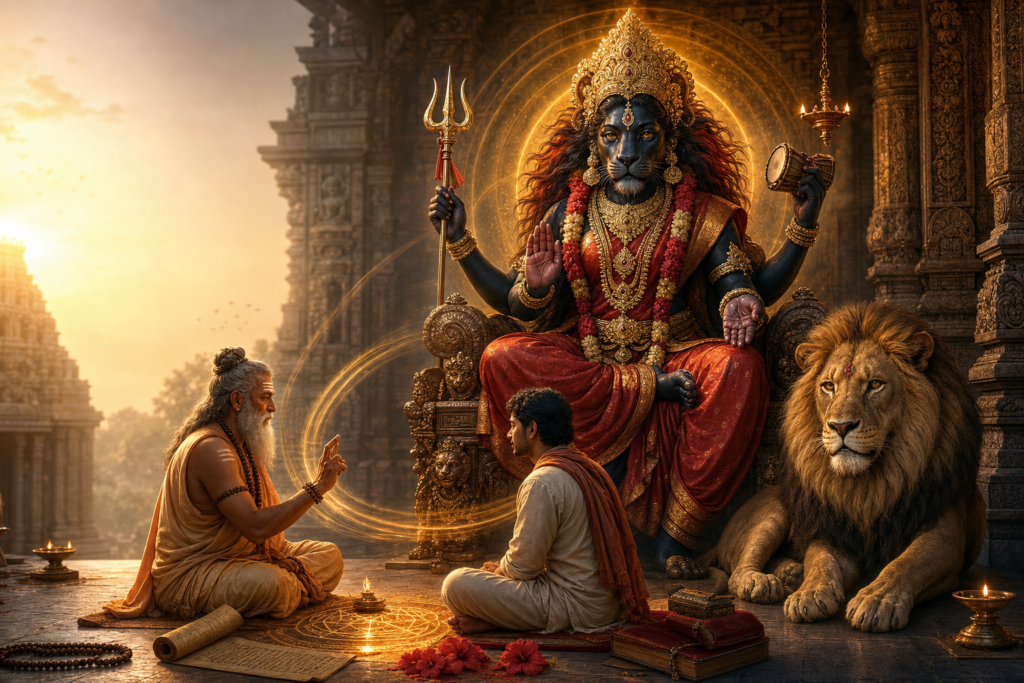
The primary deity, Sri Veerabhadra Swamy, is a powerful Shaiva manifestation historically associated with the defense of dharma, while Bhadrakali embodies auspicious protection and compassionate strength. In ritual terms, the pairing (sametha) represents a balance between raudra (fierce) and shanta (auspicious, restorative) energies. Festival liturgies emphasize this balance through acts of reverence, service, and communal participationpractices that align with shared dharmic values of seva, dana, and satya, widely appreciated across Hinduism, Buddhism, Jainism, and Sikhism.
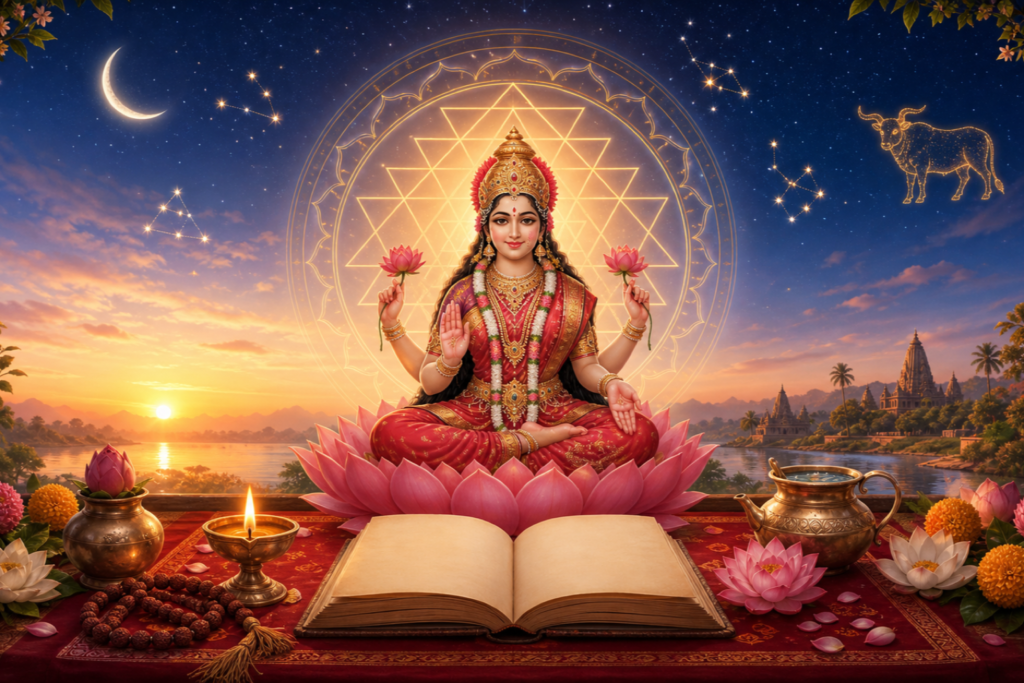
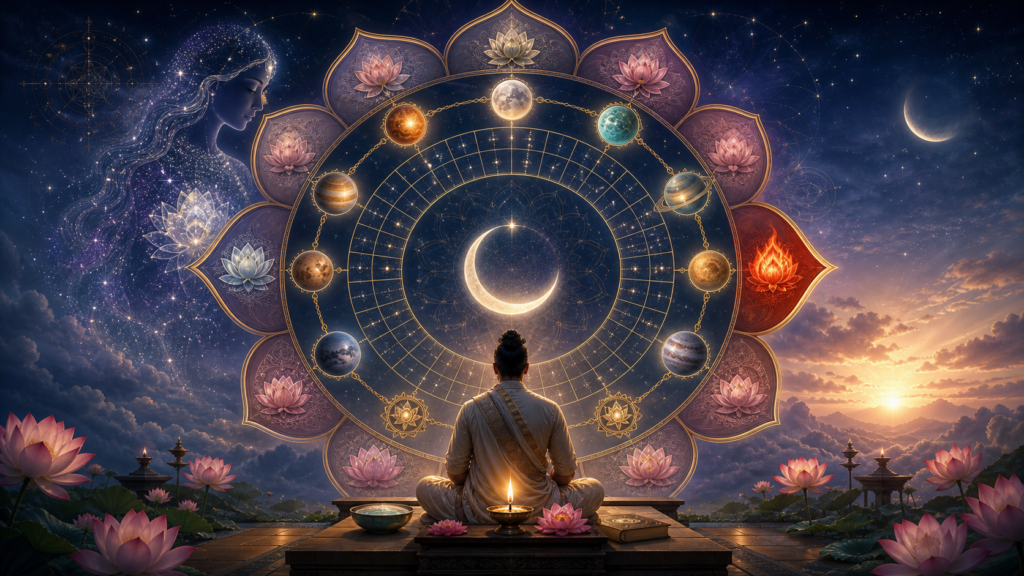
Makara Sankranti is anchored in the solar calendar, marking the Sun’s transition into Makara (Capricorn) and the commencement of Uttarayana. This astronomical thresholdobserved across Indiaacquires distinct regional coloration in Telangana’s temple culture, where agrarian gratitude, family observances, and temple worship coalesce. At Kuravi, the festival’s core remains the performance of special poojas that honor the presiding deities and ritually welcome the new solar phase of increasing light and spiritual aspiration.
Special poojas during Makara Sankranti typically emphasize precise upacharas (ritual offerings) and attentive alankaram (sacred adornment), alongside Vedic recitation and devotional music. While specific sequences vary by temple schedule and the discretion of the archakas (hereditary priests), the Sankranti observances at Kuravi align with established Shaiva ritual grammar and the broader devotional idiom of Telangana’s Hindu temples. The liturgical focus rests on invoking blessings for social harmony, agricultural prosperity, and spiritual clarity.
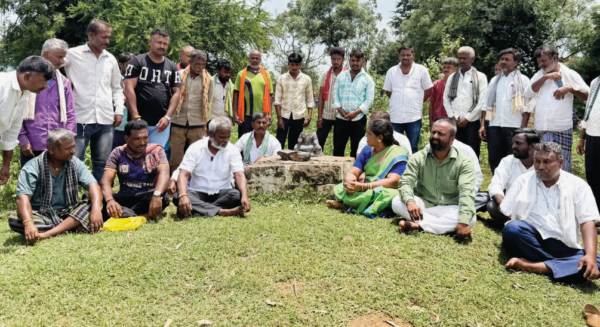
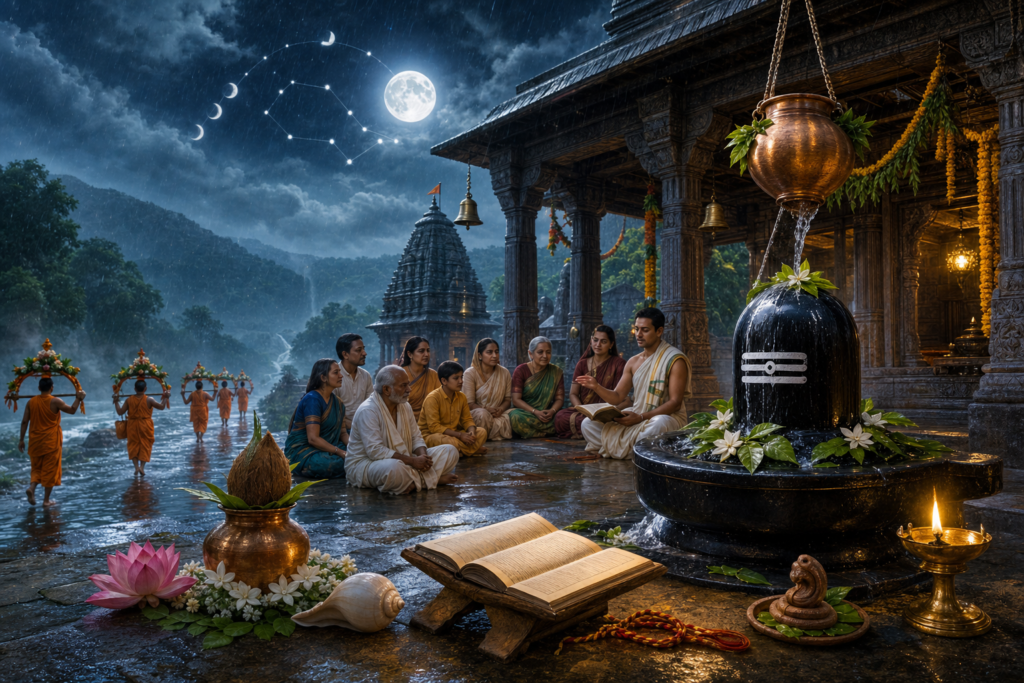
The Pallaki Procession (Grama Seva) constitutes the festival’s most visible and unifying expression. In this utsava, the utsava-murti (processional icon) is carried in a decorated pallaki along predetermined village routes. The processionaccompanied by Veda parayana, devotional singing, traditional instruments, and the gentle cadence of stepsbrings the presence of Bhadrakali Sametha Sri Veerabhadra Swamy to doorways, crossroads, and community spaces. Devotees often line the streets with lamps and flowers, offer arati, and receive prasadam, transforming public thoroughfares into shared sacred corridors.
Socially and spiritually, Grama Seva democratizes darshan by including those who may not be able to reach the temple easilyelders, children, and working families. This outward movement of the deity’s grace strengthens bonds of kinship and neighborliness, while articulating a dharmic ethic that resonates beyond sectarian lines. The affective atmospherefragrance of sambrani, rhythmic percussion, and the luminous presence of the pallakifrequently evokes a quiet, collective devotion that participants describe as both deeply traditional and immediately contemporary.
From a cultural heritage perspective, festival days at Kuravi are nodal points where ritual, art, and local livelihoods intersect. Floral artisans, musicians, and volunteers contribute skills that are integral to the procession’s aesthetic and devotional integrity. Such collaborative participation not only enlivens Mahabubabad’s cultural landscape but also safeguards Telangana’s intangible heritageprocessional music, liturgical choreography, and the performative grammar of Pallaki Utsavamby transmitting them to younger generations in lived, participatory contexts.
Ritual coordination for Makara Sankranti typically accounts for the punyakala (meritorious time window), crowd management, safety of the pallaki bearers, and clear procession routes. Devotees visiting Kuravi for the festival often benefit from arriving early, dressing modestly, maintaining queue discipline, and following instructions issued by temple authorities and volunteers. As schedules for special poojas and the Pallaki Procession can vary year to year, it is prudent to confirm timings with the temple office or local noticeboards prior to travel.
Contemporary festival stewardship also invites reflection on sustainability and care for shared spaces. Many Telangana temples encourage responsible use of biodegradable offerings, orderly prasadam distribution, and mindful waste segregationpractices that support both ritual purity and environmental well-being. When adopted around Kuravi’s processional routes, such measures complement the ethical core of dharma by aligning devotion with ecological responsibility.
In interpretive terms, Makara Sankranti at Kuravi fuses astronomical order with social service and aesthetic devotion. The special poojas articulate reverence for Bhadrakali Sametha Sri Veerabhadra Swamy, while the Grama Seva embodies a covenant of care between temple and community. Read as a whole, the festival cycle at Kuravi affirms a unifying dharmic sensibilityhonoring plurality within Hindu practice and reflecting values that are legible and meaningful across the broader family of dharmic traditions.
Taken together, the festivals of Kuravi Veerabhadra Swamy Templecrowned by Makara Sankranti’s Pallaki Processionoffer a compelling portrait of Telangana’s living temple culture. They preserve doctrinal depth, elevate communal harmony, and present a welcoming pathway for devotees and cultural travelers seeking both spiritual insight and an authentic encounter with Mahabubabad’s heritage. In Kuravi, devotion moves in step with the pallaki: steady, inclusive, and luminously connected to the rhythms of cosmic time and community life.
Inspired by this post on Hindu Pad.