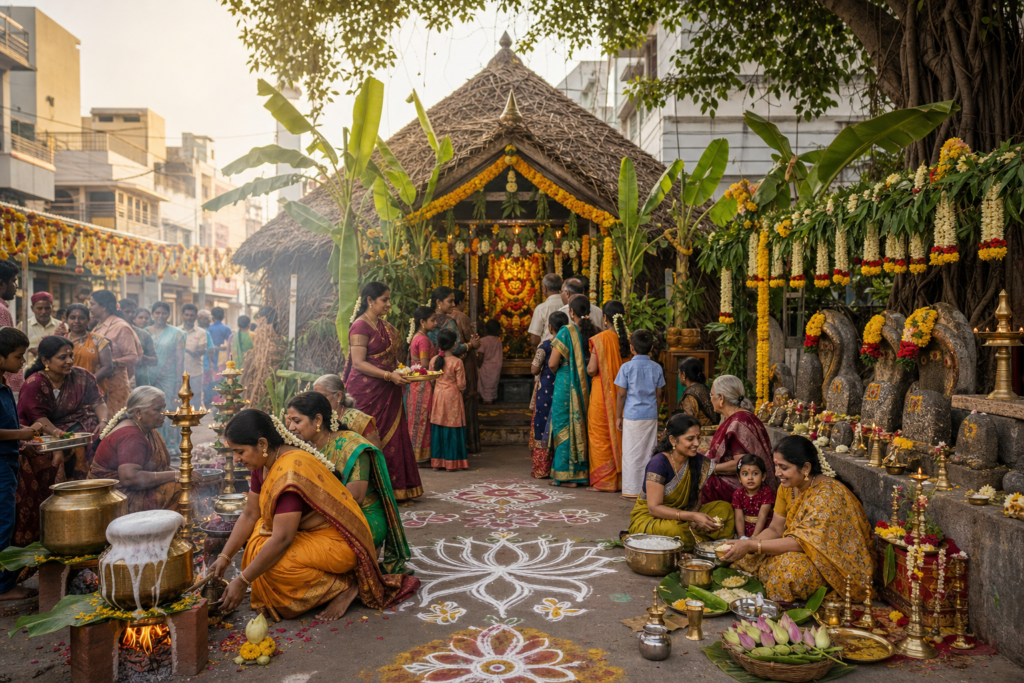
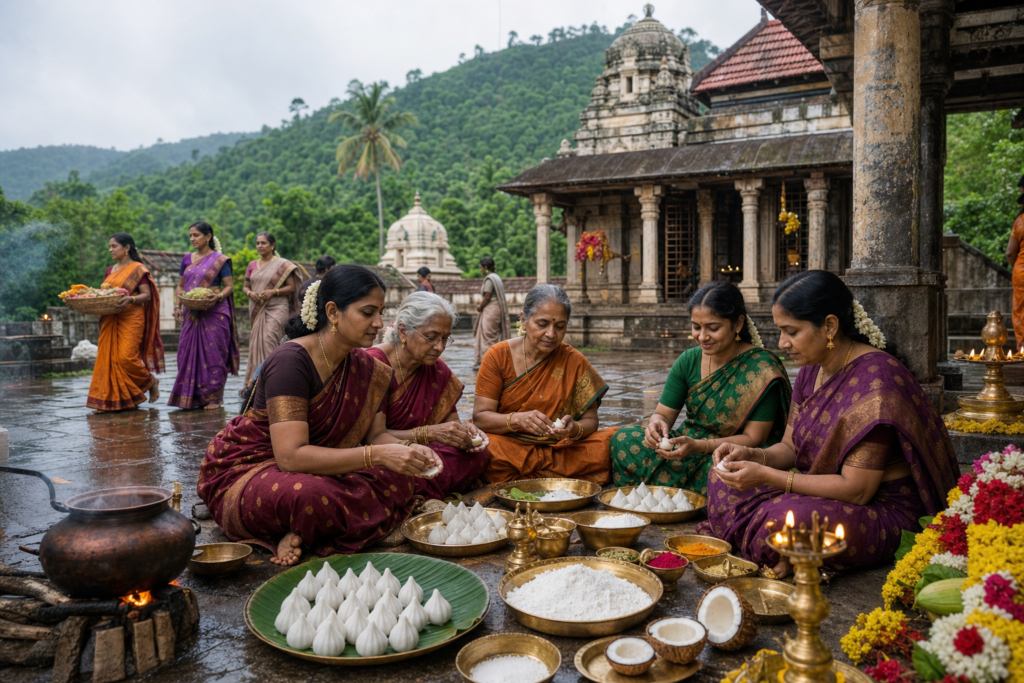
Govinda Dwadashi is observed on Falgun Shukla Dwadashi, the twelfth lunar day in the brighter half of the Falgun month, and in 2026 it falls on 28 February (as per the Indian standard panchang). Revered particularly in temples dedicated to Lord Vishnusuch as Tirumala Tirupati Balaji Temple, Dwaraka Tirumala Venkateshwara Swamy Temple (Chinna Tirupati), and Puri Jagannath Templethis vrata centers on devotion to Govinda, a cherished epithet of Vishnu signifying the protector and guide of beings. The observance aligns the precise lunar tithi with ritual praxis derived from Vaishnava Agamas and the broader Hindu calendar tradition, offering devotees a spiritually potent day for worship, fasting completion (parana), and community service.
From a calendrical perspective, Govinda Dwadashi is anchored in the lunar tithi system: a tithi is defined by the relative geocentric longitudes of the Moon and the Sun, each spanning 12 degrees. Dwadashi begins when the Moon–Sun angular separation lies between 132° and 144°. While 28 February 2026 is the civil date in India for Falgun Shukla Dwadashi, regional observance can differ slightly depending on longitudinal location and local sunrise times. Devotees outside India are advised to confirm the Dwadashi window using a regional panchang so that worship and parana occur within the proper tithi.
The term “Govinda” resonates across Vaishnava literature and practice, evoking the compassionate, sustaining aspect of Vishnu who responds to the calls (go) of beings and the earth. Whether adored as Srinivasa/Venkateswara in the Vaikhanasa and Pancharatra traditions, as Jagannath in the Odia canon, or as Krishna within the Bhakti movements, Govinda Dwadashi distills the essence of Vishnu-bhakti: steadfast remembrance (smarana), name-chanting (nama-japa), and loving service (seva). The theological emphasis on Govinda underscores divine guardianship, ethical duty (dharma), and the assurance of grace through sincere devotion.
Govinda Dwadashi is closely linked with the Ekadashi–Dwadashi cycle. Many devotees fast on the preceding Ekadashi and perform parana on Dwadashi within the prescribed tithi window. Traditional Vaishnava sources hold that parana on Dwadashi preserves the vrata’s integrity and brings auspicious merit; therefore, parana timings are treated with care, giving precedence to Dwadashi tithi presence after sunrise. Observances typically include Tulasi archana, recitation of the Vishnu Sahasranama, offerings of sattvic naivedya, and acts of charity (anna-dana, vastra-dana), all framed by the sankalpa to honor Govinda and to cultivate compassion toward all beings.
At Tirumala Tirupati Balaji Temple, Govinda Dwadashi is widely cherished. While the daily nityasevas continue as per Vaikhanasa Agamasuch as suprabhatam, tomala, and archanathis day inspires heightened devotional focus on the Govinda-nama, with many pilgrims aligning their darshan and personal vrata to the Dwadashi tithi. The theological current at Tirumala centers on Srinivasa as the refuge of the Kali age, making Govinda Dwadashi a natural moment to reaffirm faith, gratitude, and ethical resolve.
At Dwaraka Tirumala Venkateshwara Swamy Temple (Chinna Tirupati), devotees mark Govinda Dwadashi with special puja, communal prayer, and annadanam that expresses the inclusive spirit of seva. The temple’s liturgical rhythm emphasizes Venkateswara’s benevolence, and the Dwadashi observance is regarded as an opportunity to strengthen family and community bonds through worship and shared service.
In Odisha, Puri Jagannath Temple weaves Govinda Dwadashi into the broader Phalguna celebrations that culminate near Dola Purnima (Dol Jatra). Within this bright fortnight, Dwadashi emerges as a devotional waypoint: sevayats and devotees deepen remembrance of Jagannath as Govinda through nama-sankirtana, scriptural recitation, and offerings appropriate to the season. The day’s mood harmonizes reverence with joy, reflecting the living heritage of Puri Srimandir where mystic symbolism and public devotion continually meet.
Home observance of Govinda Dwadashi follows a clear but adaptable puja-vidhi. After morning purification and sankalpastating name, place, and the intention to honor Govinda on Falgun Shukla Dwadashidevotees perform achamana, pranayama for steadiness, and dhyana on Vishnu as the indwelling witness. Offerings to the deity’s image or salagrama include padya, arghya, acamaniya, gandha, pushpa (especially Tulasi), dhupa, dipa, and naivedya suited to dietary observances. Recitations often include Vishnu Sahasranama, Purusha Sukta, select verses from the Bhagavad-Gita (notably Chapters 9 and 12 for their bhakti emphasis), and the mantra “Om Namo Narayanaya” or “Om Namo Venkatesaya.” The worship concludes with kshamapana (seeking forgiveness), arati, and distribution of prasada.
Fasting and food guidelines maintain continuity with Ekadashi practices. Those who observed a nirjala or anukalpa fast on Ekadashi complete parana on Dwadashi, typically with light, sattvic preparations. In several Vaishnava paramparasincluding Sri Vaishnava, Madhva, and Gaudiya streamsgrain avoidance on Ekadashi is followed by careful reintroduction on Dwadashi after parana, while ensuring that parana occurs when Dwadashi tithi is operative locally after sunrise. This precision aligns devotion with the astronomical rhythm that undergirds the vrata.
Regional variations enrich Govinda Dwadashi across the Indic world. In North India, the Phalguna bright fortnight culminates in Holi, and devotees may integrate Govinda Dwadashi with seasonal kirtan and satsang. In South India, particularly Andhra Pradesh and Telangana, devotees of Venkateswara emphasize Tulasi archana, Govinda-namavali, and community annadanam. In Odisha, the Dola Yatra season frames the devotional ambience. Diaspora communities often coordinate temple and satsang schedules to synchronize with Dwadashi tithi, ensuring that the vrata retains its calendar fidelity while remaining accessible to modern routines.
Govinda Dwadashi offers an organic bridge for unity across dharmic traditions. The day’s core disciplinesrestraint, reflection, generosity, and reverence for the sacredresonate with the Jain emphasis on ahimsa and dana, the Sikh practice of seva and langar, and the Buddhist cultivation of compassion and mindfulness. In that spirit, devotees frequently extend the vrata’s merit by supporting shared kitchens, organizing cleanliness drives, visiting the ill or elderly, or planting treespractices that embody the dharmic ideal of lokasangraha, the uplift of society through selfless action.
Technically, the tithi framework guiding Govinda Dwadashi is elegant and precise. If λm denotes the Moon’s ecliptic longitude and λs that of the Sun, the tithi number is floor((mod(λm − λs, 360))/12) + 1. Dwadashi thus corresponds to an angular separation in the interval [132°, 144°). Because tithis do not align exactly with civil dates and can span parts of two consecutive days, authoritative panchang data is essential for determining worship and parana windows. Furthermore, local sunrise defines the daily boundary for many ritual rules; hence, a Dwadashi that begins before sunrise and ends before the next sunrise may require nuanced timing for puja and parana.
Positioned a few days before Phalguna Purnima, Govinda Dwadashi often serves as a devotional prelude to the season’s festivity. While Maha Shivaratri typically falls earlier in the Phalguna cycle and Holi on Purnima, Govinda Dwadashi highlights a contemplative midpoint that balances bhakti’s interiority with its outward expressions of joy and community. The temporal arc from Ekadashi fasting to Dwadashi fulfillment symbolizes spiritual resolve maturing into service and gratitude.
Scriptural study and chanting on Govinda Dwadashi may include selections from Srimad-Bhagavatam on Vishnu’s protective grace, the Narayana Suktam for meditative focus, and the Govinda-namavali for steady remembrance. Many also keep a brief japa disciplinecounting a set number of malas of “Om Namo Narayanaya” or “Hare Krishna” maha-mantratreating this day as a personalized sadhana intensification aligned with the lunar current.
For those planning temple visitsespecially to Tirumala Tirupati Balaji Temple, Dwaraka Tirumala Venkateshwara Swamy Temple (Chinna Tirupati), or Puri Jagannath Templeearly preparation is prudent. Anticipating larger pilgrim turnouts, coordinating darshan timings with Dwadashi tithi, and allotting unhurried time for meditation can make the observance both precise and deeply nourishing. Many families harmonize home puja with temple darshan, allowing the sanctity of archana and prasada to frame the day’s seva commitments.
In sum, Govinda Dwadashi on 28 February 2026 invites a confluence of accurate calendrical observance, devotional depth, and service-oriented action. Rooted in the lunar science of tithi and the bhakti wisdom of the Vaishnava Agamas, the day calls for focused remembrance of Govinda, mindful completion of the Ekadashi vrata, and tangible offerings for community well-being. By honoring this vrata with clarity and care, devotees align individual aspiration with a broader dharmic ethicone that celebrates unity across Hindu, Buddhist, Jain, and Sikh traditions through shared values of compassion, truthfulness, and selfless service.
Inspired by this post on Hindu Pad.