Kartik month (Karthik mahina) is the eighth month in the Marathi calendar observed across Maharashtra and Goa. As per Marathi Kalnirnay, Kartik 2025 begins on 22 October and ends on 20 November. Widely regarded as one of the most auspicious periods of the Hindu year, this month is devoted to purity, discipline, and devotional practices that emphasize light, service, and inner transformation.
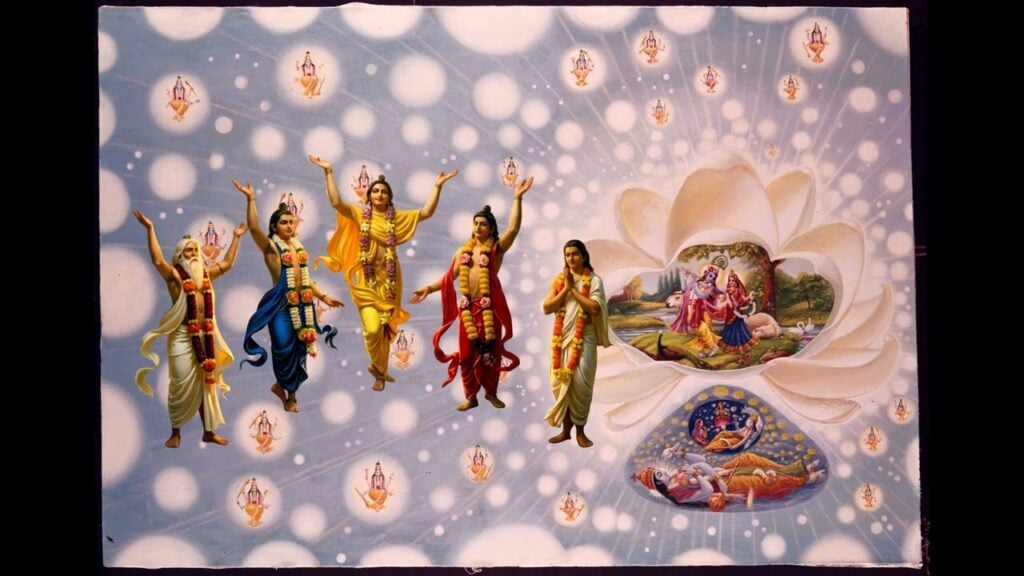
Across households and temples, Kartik is marked by daily deepa lighting, early-morning sacred baths (snan), charitable giving (daan), and vrata (vows). In Maharashtra and Goa, lamp-lighting at the tulsi vrindavan, recitation of sacred texts, and evening bhajans create a devotional rhythm that sustains families and communities throughout the month.
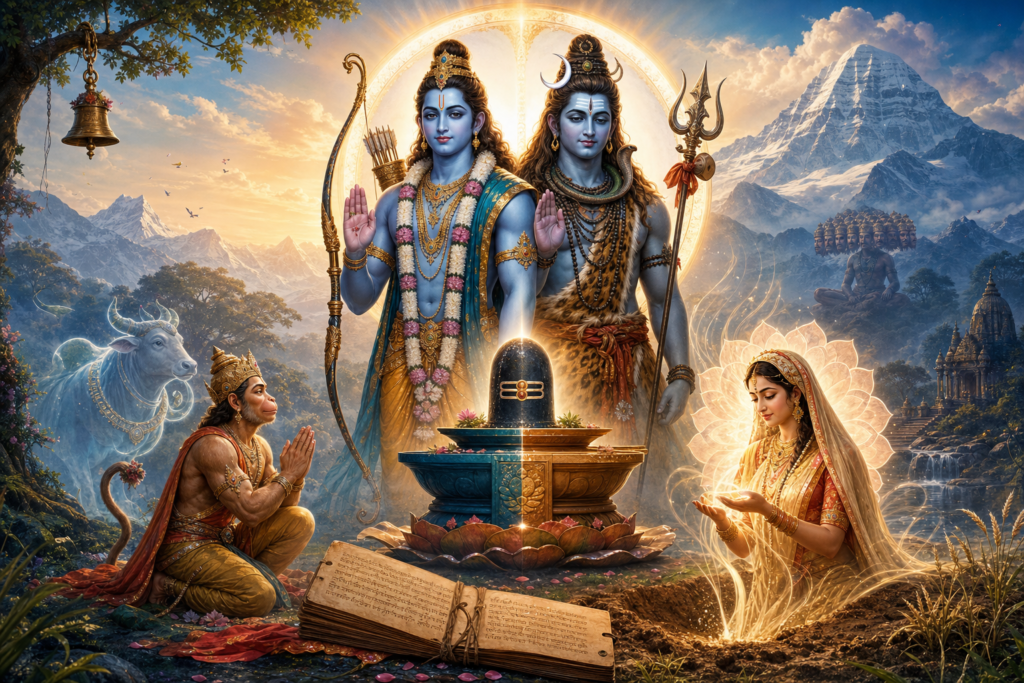
Key observances during Kartik 2025 include Govardhan Puja (Annakut) and Bhau Beej (Bhai Dooj) in the bright fortnight, followed by Prabodhini Ekadashi and Tulsi Vivah, culminating in Kartik Purnima (also revered as Dev Deepawali). Many communities also observe Chandra Darshan at the start of Karthika Masam and continue daily deepa offerings. While these festivals fall within 22 October–20 November in 2025, exact muhurta and tithi timings vary by location; consulting a local panchang alongside Marathi Kalnirnay ensures precision.
Kartik fosters unity among dharmic traditions. Kartik Purnima aligns with major Sikh observances such as Guru Nanak Jayanti in many years, while Jain communities mark the new year period after Diwali and observe Jnan Panchami in Kartik. The Buddhist Kathina season, which concludes around this time, highlights generosity and community service. These shared valueslight over darkness, knowledge, compassion, and sevastrengthen interfaith harmony across Hinduism, Buddhism, Jainism, and Sikhism.
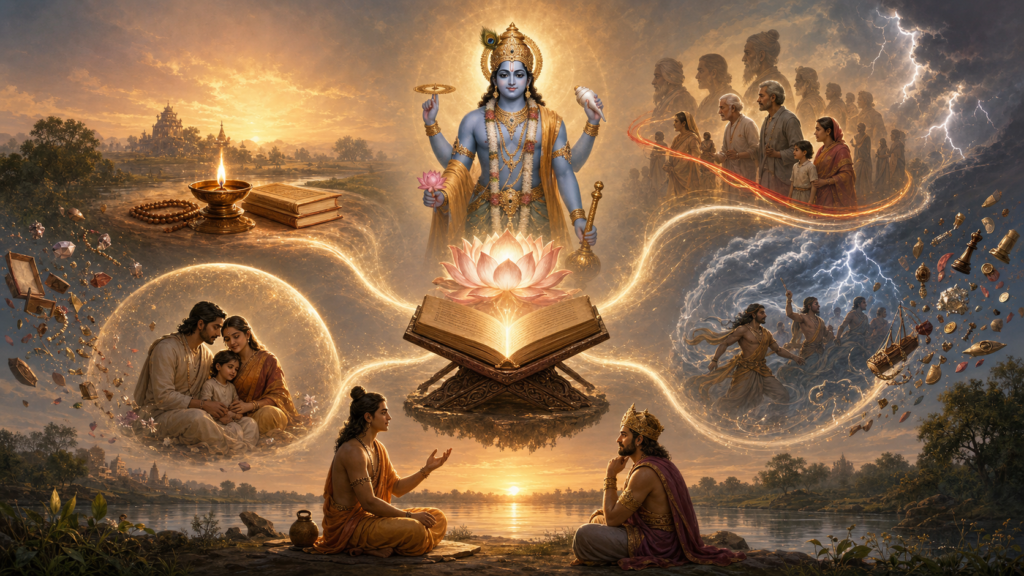
For personal observance, widely practiced disciplines include early Kartik snan, lighting diyas at dawn and dusk, Tulsi worship, temple visits (especially to Vishnu and Krishna temples), and parayana of the Bhagavad Gita and Bhagavata Purana. Many choose to reduce excess, adopt satvik food, and offer charity, aligning daily life with the month’s ethical and spiritual focus. In cities and pilgrimage centers across Maharashtra and Goa, congregational aartis and riverbank lamp-offerings deepen the communal experience.
Calendar note: The Marathi calendar follows the Amanta system, in which months begin after Amavasya (new moon). Consequently, the Diwali Amavasya occurs just before the formal start of Kartik; in 2025, Diwali precedes the 22 October commencement of Kartik. This transition explains why Govardhan Puja and Bhau Beej fall in Kartik’s bright fortnight in Maharashtra and Goa, even when Diwali itself is observed at the end of Ashwin.
Planning tip: For travel and temple darshanswhether for Dev Deepawali on Kartik Purnima, Tulsi Vivah rituals, or community Annakut offeringsverify local schedules based on tithi, not only civil dates. This approach ensures alignment with regional practice across Maharashtra, Goa, and neighboring regions, and helps families coordinate puja sequences, community service, and cultural gatherings throughout Kartik 2025.
In summary, Kartik 2025 (22 October–20 November) offers a complete spiritual arcfrom the post-Diwali renewals of Govardhan Puja through the awakening of Prabodhini Ekadashi and the luminous culmination of Kartik Purnima. Observed thoughtfully, the month becomes a living synthesis of devotion, discipline, and unityilluminating homes and hearts while nurturing harmony across the broader dharmic family.
Inspired by this post on Hindu Pad.