Kanuma, observed during the Makara Sankranti/Pongal season, is celebrated across Andhra Pradesh, Telangana, Karnataka, Tamil Nadu, and Kerala with devotion and gratitude toward cattle. In 2026, a focal observance will take place at the Tirupati Sri Venkateswara Gosamrakshanasala with a Gopuja Mahotsavam on 16 January 2026, aligning reverence for “Gomata” with the spirit of community service and ecological care.
At Tirupati, the schedule includes Abhishekam, puja, and harati to Sri Venugopala Swamy from 5:00 a.m. to 10:30 a.m. (IST), followed by Gopuja from 10:30 a.m. to 11:15 a.m. Subsequent devotional proceedings are expected to continue per temple protocol. Devotees may confirm local updates with the respective temple administration, as arrangements can vary by day and crowd flow.
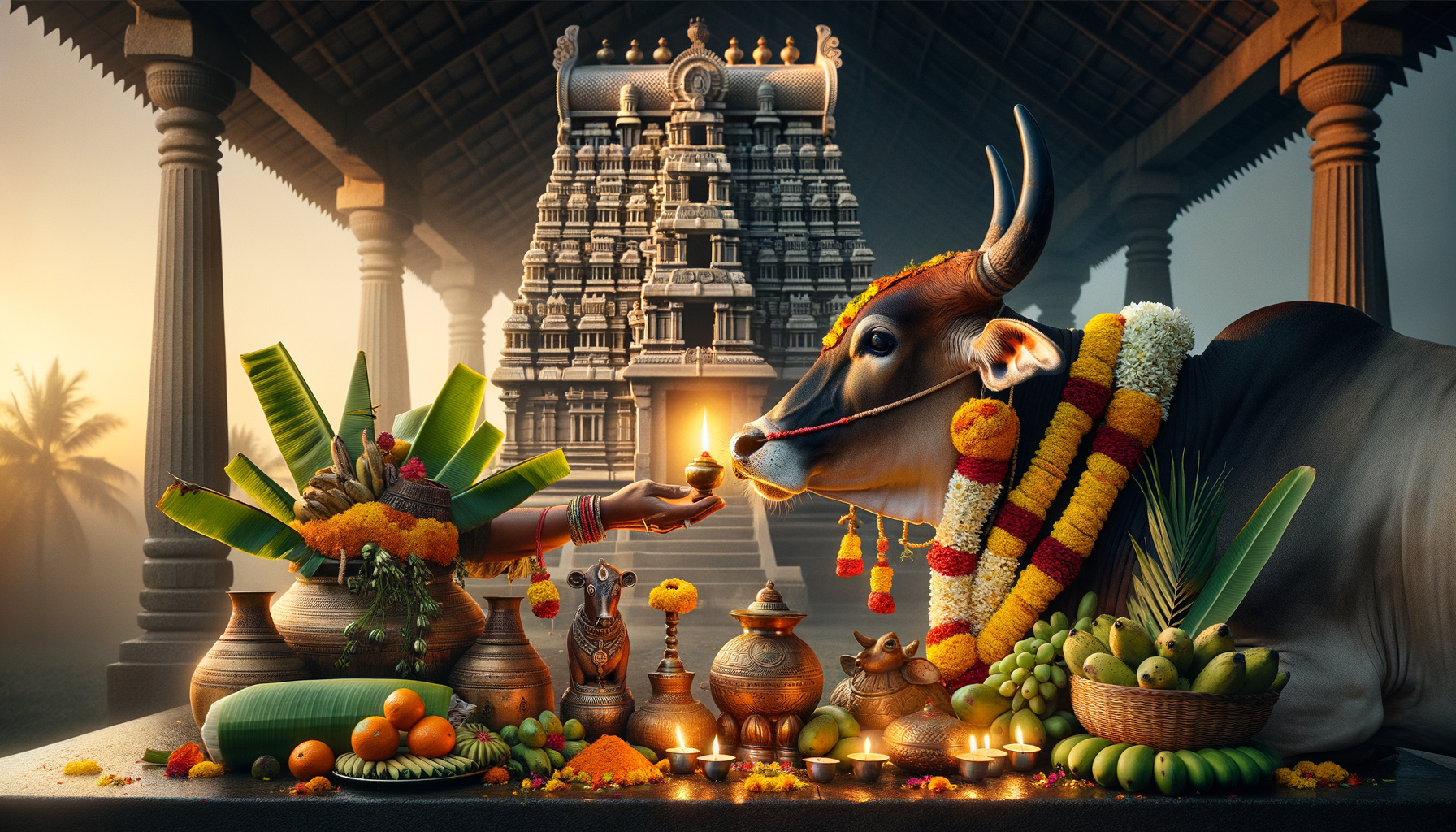
Gopuja, within the larger framework of gosamrakshana (cow protection and care), highlights the agrarian roots of South India and the shared ethic of ahimsa and seva. Honoring cattle as companions in livelihood and agriculture, the ritual invites offerings, harati, and blessings, while prayers to Sri Venugopala Swamy connect the celebration to Krishna’s pastoral grace and guardianship.
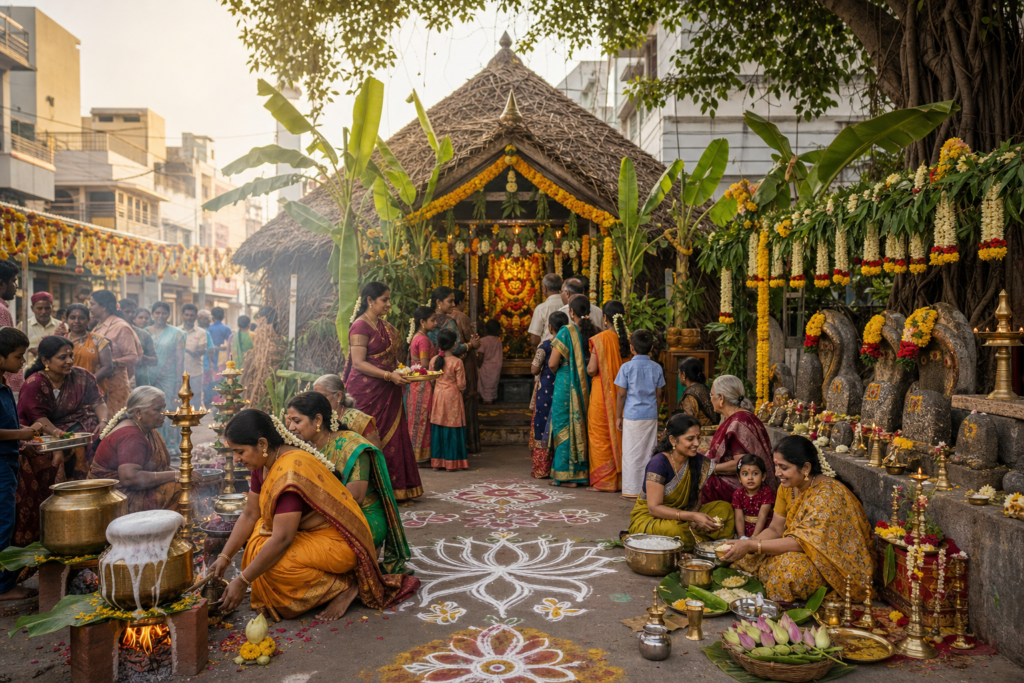
Regional observances reflect a harmonious cultural tapestry: in Andhra Pradesh and Telangana, Kanuma emphasizes cattle worship and thanksgiving for harvests; in Tamil Nadu, Mattu Pongal honors working cattle with decorations, turmeric, kumkum, and garlands; in Karnataka and Kerala, parallel traditions underscore gratitude, welfare, and the interdependence of land, livestock, and community.
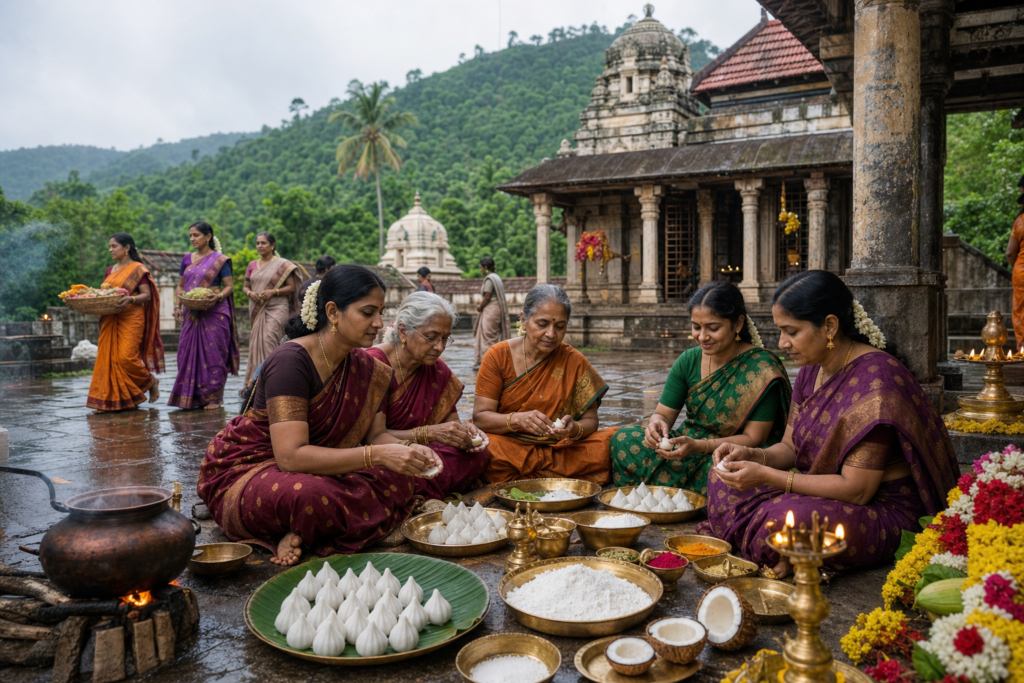
Devotees frequently describe the dawn Abhishekam as a moment of quiet focus marked by the fragrance of tulasi and sandal and the resonance of bells and conch. Families often participate by offering fruits and fodder to cows, fostering a sense of humility and care. These lived experiences make Gopuja both contemplative and communal, bridging generations and welcoming urban and rural participants alike.
Practical considerations remain straightforward: arrive early for Abhishekam, follow temple etiquette, and respect animal welfare guidelines that prioritize calm handling, clean enclosures, and humane offerings. As schedules may differ among temples across AP, Telangana, Karnataka, Tamil Nadu, and Kerala, local notices should be consulted for venue-specific timings and entry protocols.
The ethical heart of Kanuma and Gopuja resonates across dharmic traditionsHinduism, Buddhism, Jainism, and Sikhismthrough a shared commitment to compassion, non-violence, and service. Many communities frame the day’s worship within universal prayers for well-being, reinforcing the ideal that reverence for living beings strengthens social harmony and ecological stewardship.
By uniting devotion to Sri Venugopala Swamy with gratitude for cattle and the land, Kanuma 2026 offers a reflective and inclusive festival experience. Whether in Tirupati or in temples across South India, Gopuja invites communities to honor tradition, uphold animal care, and nurture bonds that sustain families, farms, and the environment.
Inspired by this post on Hindu Pad.