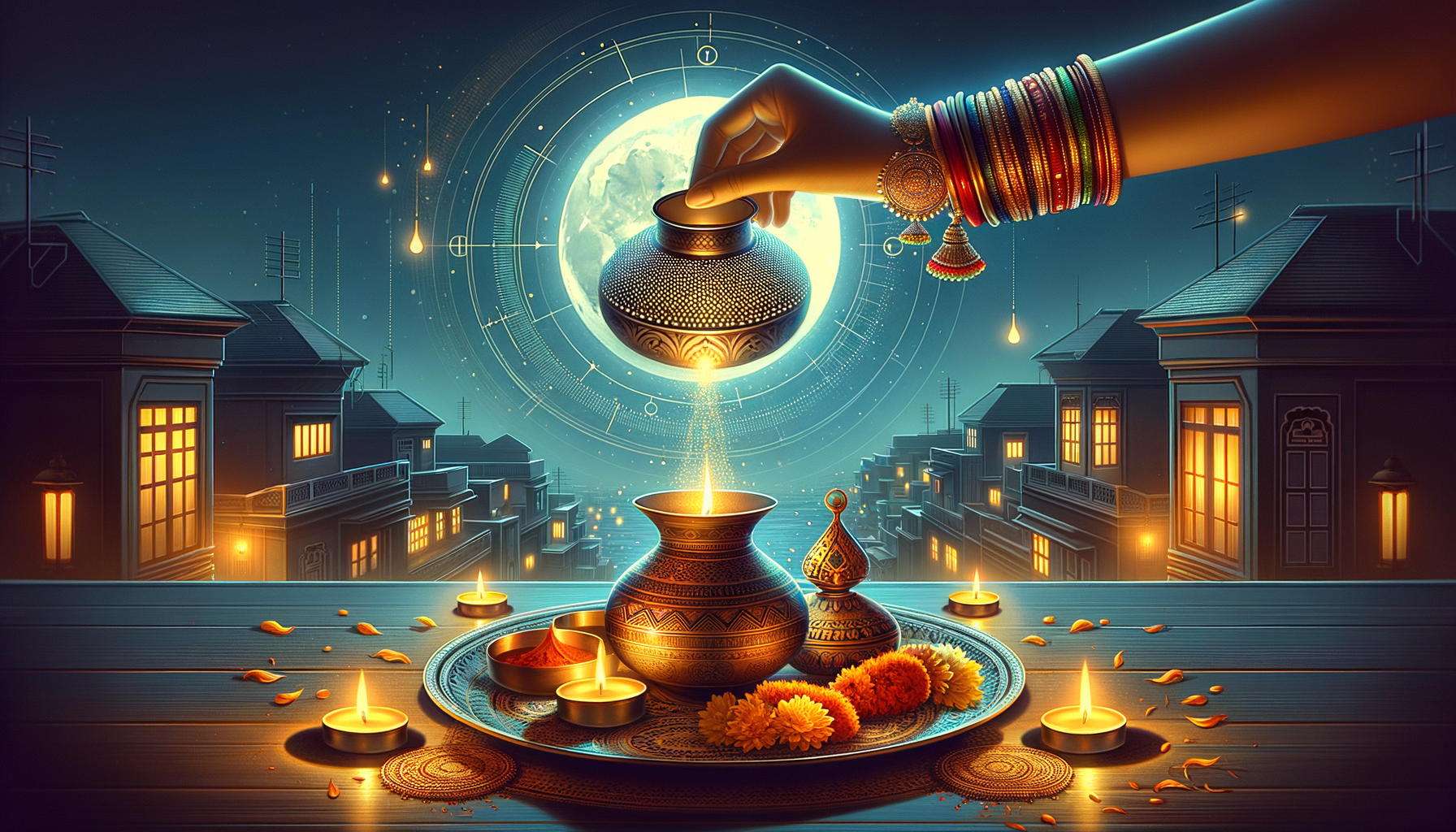
Karva Chauth 2025 falls on 10 October 2025, and the precise Chandrodaya (moonrise) time is central to concluding the vrata. After moonsighting—seeing chand—the fast is traditionally completed. This guide focuses on moonrise considerations across India and explains how to apply city-specific timings accurately and meaningfully on the day of observance.
City-wise coverage includes New Delhi, Chandigarh, Jaipur, Lucknow, Varanasi, Mumbai, Pune, Ahmedabad, Gwalior, Hyderabad, Bangalore, Chennai, and other major urban centers. Because the Moon rises at different local times across India, each city observes a slightly different moment for Chandrodaya. Local atmospheric conditions, horizon obstructions, and elevation can also add a small delay to visible moonsighting.
In practice, the computed moonrise time and the visibly observable moon can differ by a few minutes. For this reason, many households plan a modest buffer—typically 2 to 10 minutes—after the published Chandrodaya before concluding the fast. This approach respects both the astronomical calculation and the lived, visible experience of moonsighting that is integral to the ritual.
Karva Chauth is widely cherished as a day of family bonding, gratitude, and disciplined devotion. The moment of Chandrodaya often becomes a shared experience on terraces and open spaces, where families gather to look toward the eastern horizon. This collective anticipation strengthens interpersonal ties and aligns the observance with the broader, time-honored rhythm of the lunisolar calendar observed across the subcontinent.
For reliable planning, it is advisable to consult a trusted Panchang, local temple notices, or established astronomical almanacs that publish city-specific Chandrodaya times for 10 October 2025. Cross-verification helps ensure confidence in the minute of conclusion. On the day, choosing a vantage point with a clear, low eastern horizon—away from tall buildings, trees, and light pollution—improves the likelihood of an early and accurate sighting.
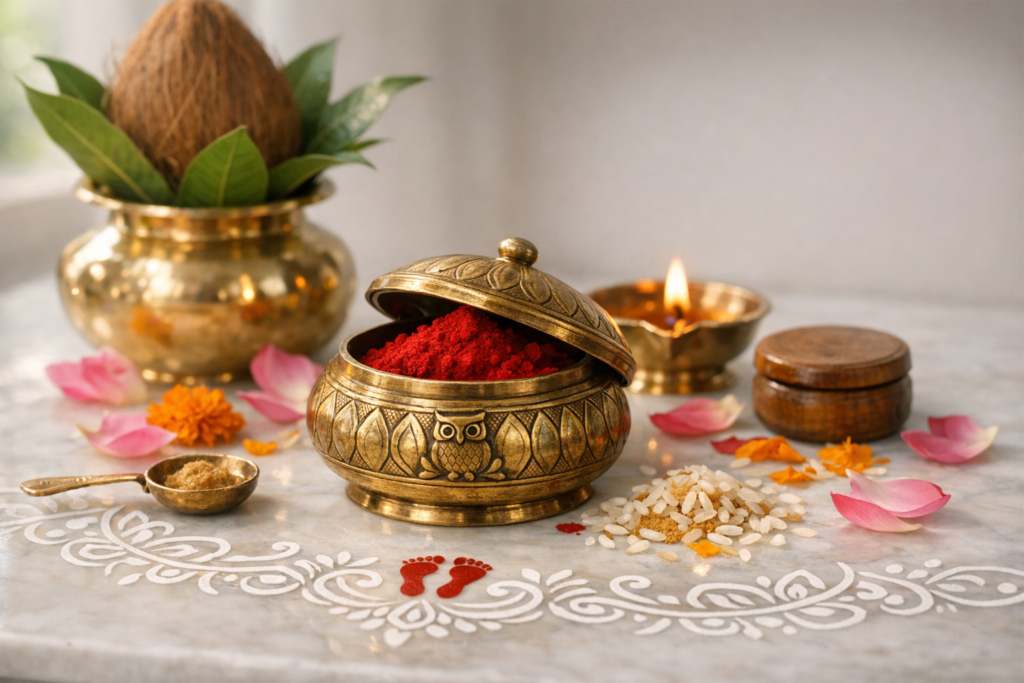
The core observance remains consistent: after Chandrodaya or moonsighting (seeing chand), the Karva Chauth fasting is concluded with prayers and offerings. The ritual emphasizes steadfastness, care, and mutual respect within families, values that resonate across dharmic traditions.
While Karva Chauth is a Hindu festival, its lunar focus reflects a shared reverence for the Moon and timekeeping found across dharmic communities. The common thread—respect for nature’s cycles, mindful discipline, and gratitude—nurtures unity among Hindu, Buddhist, Jain, and Sikh traditions. Recognizing this shared heritage deepens the observance and situates it within a wider tapestry of cultural continuity in India.
Note on accuracy: City-wise moonrise varies by longitude, latitude, and local skyline. Finalize plans using an authoritative city-specific Panchang for 10 October 2025 and consider a brief buffer for actual visibility. This careful approach preserves both the letter and spirit of Chandrodaya-based ritual practice.
Inspired by this post on Hindu Pad.