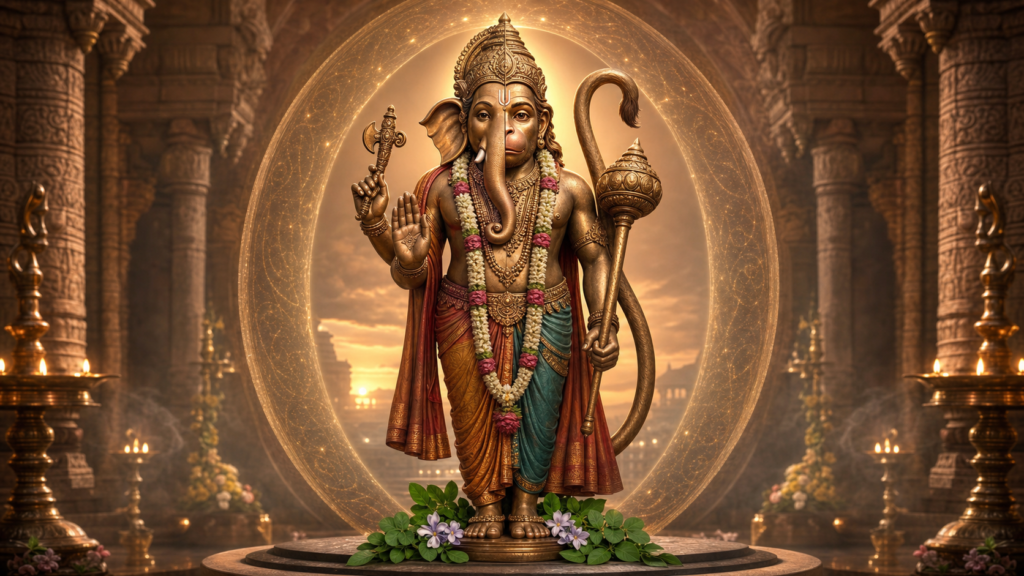
Naraka Chaturdashi, observed on the second day of the five-day Diwali festival and popularly known as Choti Diwali, holds a special place in the seasonal cycle of renewal and inner purification. In many regions, Kali Chaudas Puja is performed on this day, emphasizing protection, courage, and the triumph of light over darkness. In 2025, Narak Chaturdashi falls on October 20, aligning households and communities in a shared observance of sacred bath (snan), prayer, and contemplation.
The ritual centerpiece of the day is the Narak Chaturdashi Snan, traditionally performed during Brahma Muhurta (pre-dawn), which is regarded as the most auspicious time for cleansing and sankalpa (intent-setting). The practice symbolizes the dispelling of inertia and negativity, drawing on the seasonal rhythm to reinforce clarity, vitality, and ethical resolve. The observance is commonly linked to the narrative of Sri Krishna and Satyabhama overcoming Narakasura, a story interpreted as a metaphor for conquering inner shadows through steadfast discipline and devotion.
Preparation for the snan typically includes an abhyanga (oil application) with sesame oil, followed by a warm bath using a simple ubtan of gram flour and turmeric, or other regionally preferred herbal blends. Many also add a few drops of fragrant water or place Tulsi leaves nearby to cultivate a calm, sattvic atmosphere. After bathing, lamps are lit, and prayers are offered for well-being, gratitude, and harmonious relationships within the family and community.
Mantra recitation during Naraka Chaturdashi Snan focuses on purification, protection, and inner steadiness. Beginning with a brief moment of silence to settle the breath, practitioners may undertake a simple sankalpa for personal clarity and collective welfare before chanting. The following widely revered mantras are traditionally associated with obstacle-removal, protection, and auspiciousness and may be chanted according to one’s family custom and guidance from elders.
Om Gam Ganapataye Namaha chanted to invoke steadiness, remove obstacles, and sanctify the ritual space before further recitation.
Om Namo Narayanaya recited for inner purity, compassion, and alignment with dharma; often chosen during festive observances tied to Sri Vishnu’s protective grace.
Om Namah Shivaya intoned for transformative energy and serenity, reflecting the gentle dissolution of inner impurities during the sacred bath.
Om Tryambakam Yajamahe Sugandhim Pushtivardhanam, Urvarukamiva Bandhanan Mrityor Mukshiya Maamritat the Mahamrityunjaya Mantra, invoked for resilience, health, and freedom from fear, complementing the protective ethos of Kali Chaudas Puja.
Om Krim Kalikayai Namah associated with Kali Chaudas, this mantra is revered for cultivating courage, discernment, and the capacity to face challenges without enmity.
Om bhur bhuvah svah tat savitur varenyam bhargo devasya dhimahi dhiyo yo nah prachodayat the Gayatri Mantra, contemplated for illumination of the intellect and ethical clarity, aligning the mind with light and learning.
Alongside these, families may recite brief selections from Vishnu Sahasranama or offer a few verses from Devi stotras that celebrate auspicious strength and protection. In the evening, the practice of lighting a lamp for Yama (Yam Deep Daan) is observed in many regions as a prayer for long life, good health, and a righteous path for all beings.
The festival’s spirit resonates across dharmic traditionsHinduism, Buddhism, Jainism, and Sikhismthrough shared values of inner purification, compassion, non-harm, service, and wisdom. While the forms of worship differ, the ethical intent converges: to nurture clarity over confusion, warmth over harshness, and responsibility over neglect. Households may also adopt mindful choices such as eco-friendly lamps, natural oils, and modest offerings, reinforcing reverence for nature and collective well-being.
Practiced with humility and steadiness, Naraka Chaturdashi Snan becomes more than a ritual bath; it is a lived commitment to self-refinement and social harmony. The mantras, recited with attentive breath and sincere intention, support a gradual transformation that is both personal and communalhonoring ancestors, strengthening family bonds, and affirming unity amidst the diversity of dharmic ways of life.
Inspired by this post on Hindu Pad.