October 23, 2025 marks Chandra Darshan (Kartik Month Chandra Darshanam), the first sighting of the crescent moon immediately following Amavasya. In regional calendar terms, this observance falls in Kartik Month (Karthika Masam) as followed across North India, Andhra Pradesh, and Karnataka; in Aippasi Masam of the Tamil calendar; in Thulam Month of the Malayalam calendar; and in Kartik Month of both the Bengali Panjika and the Nepali calendar.
Chandra Darshan carries both astronomical and ritual significance. Astronomically, it is anchored in the earliest evening visibility of the thin waxing crescent low in the western sky shortly after sunset. Ritually, it inaugurates auspicious Kartik observances and is regarded as a time for vrata (vows), simple puja, and acts of daana (charity), aligning personal discipline with the natural rhythm of the lunar cycle.
Across India’s calendrical traditions, the month-names vary while the sanctity of the moment remains shared. Devotees recognize this evening crescent as a marker of renewal and clarity at the threshold of Kartik—revered as Karthika Masam, Aippasi Masam, or Thulam Month depending on regional systems—underscoring the unity that underlies diversity in the Hindu way of life.
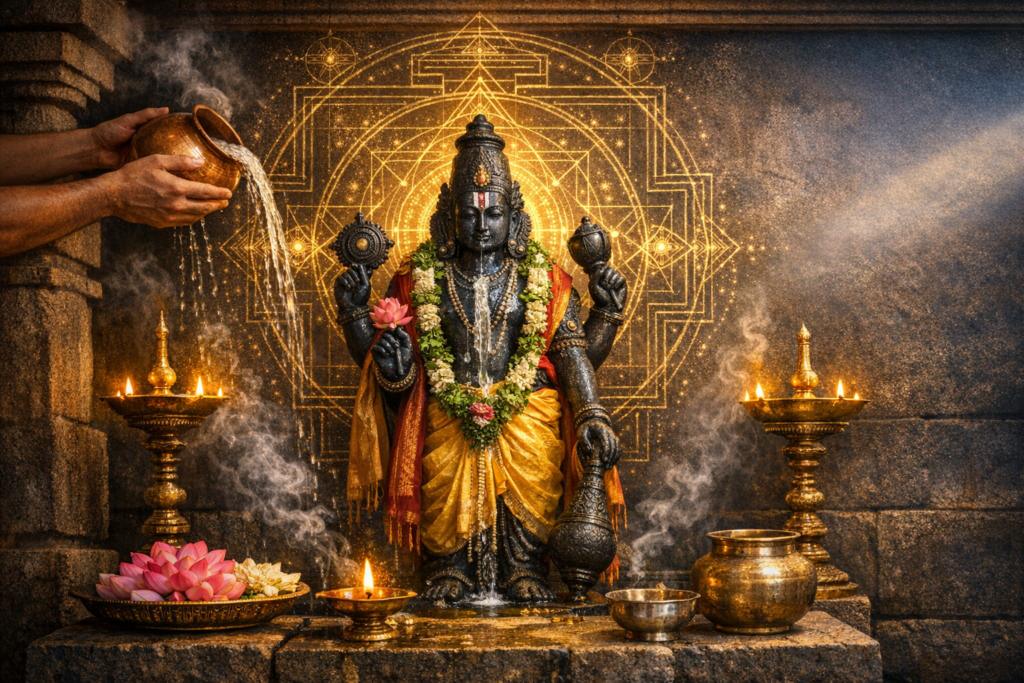
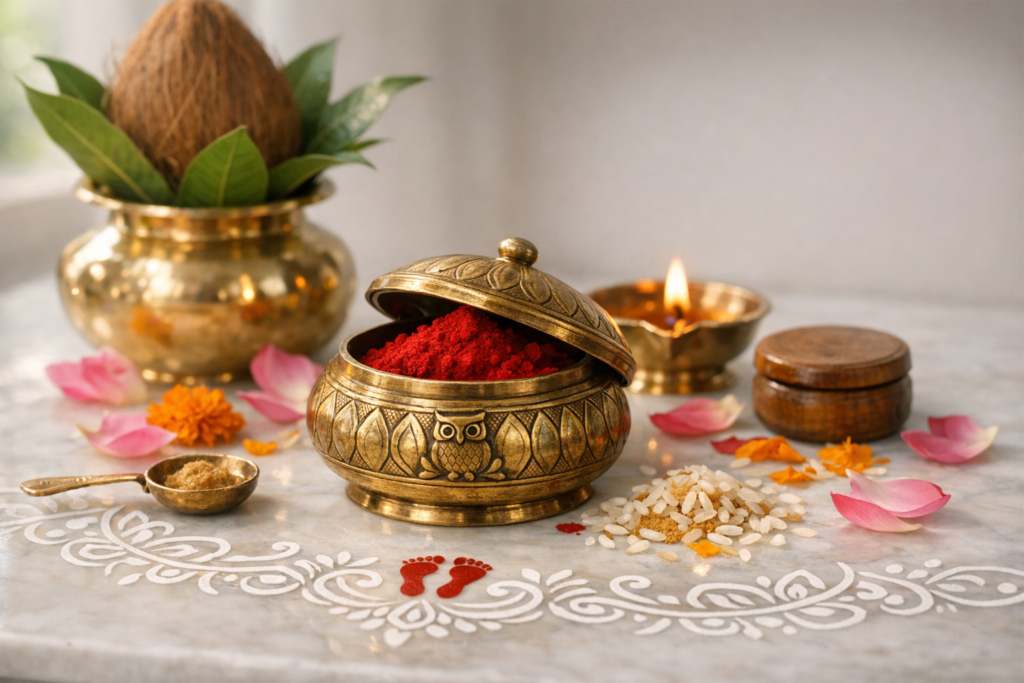
Customary observance centers on viewing the new crescent just after sunset, followed by a brief meditation, lighting of a lamp, and offering of prasad. Many households perform a simple puja and resolve personal vrata for the Kartik period, emphasizing self-restraint, study of scriptures, and service. Where sky conditions obscure the moon, communities often acknowledge the next clear evening sighting as consonant with the spirit of Chandra Darshan.
For clarity and precision, families typically consult a local panchang or regional panjika to confirm tithi, moonset, and visibility windows. Practical guidance includes selecting a location with an unobstructed western horizon, beginning observation minutes after sunset, and allowing sufficient time for the low-altitude crescent to emerge. These steps help align devotional intent with reliable astronomical practice.
Although ritual forms differ, reverence for the lunar cycle resonates across the dharmic traditions of Hinduism, Buddhism, Jainism, and Sikhism. The shared attention to celestial timing, ethical self-cultivation, and community harmony offers a unifying thread, encouraging mutual respect and deeper understanding during the Kartik season.
As a cultural and spiritual milestone, Chandra Darshan in October 2025 invites reflective celebration: honoring regional calendars—Karthika Masam, Aippasi Masam, Thulam Month, Bengali Panjika, and the Nepali calendar—while affirming common values of devotion, charity, and inner renewal through the simple yet profound act of first moon-sighting.